
Lawn
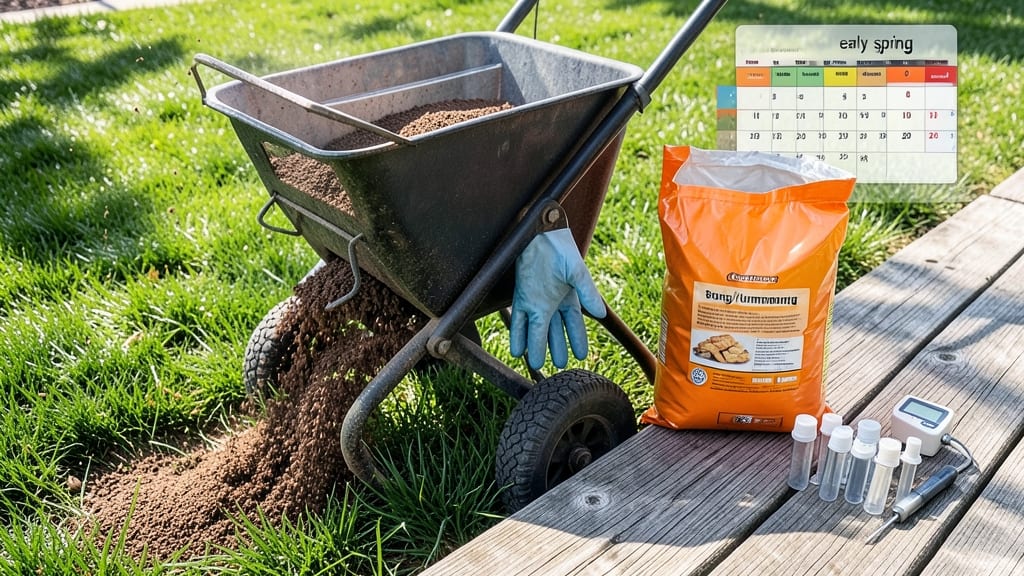
Fertilizing your lawn at the right times—spring and fall—is the secret to a thick, vibrant lawn that stays green all season long.
A lush, green lawn isn’t just about luck—it’s about timing, and fertilizing at the wrong moments can actually harm your grass instead of helping it. Whether you’re dealing with cool-season or warm-season lawn grass, getting the schedule right makes all the difference.
Most lawns thrive with two key feedings per year: once in early spring to kickstart growth and again in fall to strengthen roots before winter. But the exact timing depends on your grass type and climate zone—so let’s break down the best approach for your lawn.
In this guide, you’ll learn when to fertilize for maximum results, how to choose the right fertilizer, and the common mistakes that can turn your lawn into a patchy mess. By the end, you’ll have a simple checklist to keep your grass looking its best year-round.
Best times to fertilize your lawn for optimal growth
Timing your lawn fertilization isn’t just about throwing down fertilizer whenever you think of it—it’s a science-backed strategy that aligns with your grass’s natural growth cycles.
Most lawn care experts agree that spring and fall are the golden windows for feeding, but the exact timing depends on your climate zone and grass type. For example, cool-season grasses like Kentucky bluegrass thrive with early spring feedings, while warm-season grasses like Bermuda grass prefer late spring applications.
Your local climate zone plays a huge role too. In northern regions (USDA Zones 3-5), you might start fertilizing as early as late March to jumpstart growth after winter dormancy. Meanwhile, in southern zones (Zones 7-10), late spring or early summer is ideal to avoid stressing grass during peak heat.
Always check your last frost date—fertilizing too early can lead to weak growth if temperatures fluctuate.
Here’s the science behind why these seasons matter: Spring fertilizing provides nitrogen-rich nutrients to repair winter damage and fuel new growth. Fall applications, on the other hand, help grass store energy for winter survival. Skipping these windows can leave your lawn thin, patchy, or vulnerable to weeds and pests.
| Season | Best Time | Grass Type | Why It Matters |
|---|---|---|---|
| Early Spring | March-April (after last frost) | Cool-season (Fescue, Ryegrass) | Repairs winter damage, promotes root growth |
| Late Spring | May-June | Warm-season (Bermuda, Zoysia) | Encourages thick, heat-resistant growth |
| Early Fall | September-October | Cool-season (Bluegrass, Fescue) | Strengthens roots for winter survival |
| Summer | Light applications only | All types | Avoids stressing grass in heat/drought |
| Winter | None | All types | Grass enters dormancy; fertilizer wasted |
One critical mistake many homeowners make is fertilizing in late spring for cool-season grasses. While it might seem logical to keep feeding as growth continues, this can lead to excessive top growth that weakens roots and leaves grass vulnerable to drought or disease.
Instead, focus on a balanced approach: apply 50% of your spring fertilizer in early spring and the remaining 50% in late spring for cool-season types.
For warm-season grasses, the rule shifts slightly. These grasses go dormant in winter, so you’ll want to delay first fertilization until soil temperatures reach 65°F+. Use a slow-release fertilizer in late spring to avoid burning grass during summer’s intense heat.
Pro tip: Test your soil first—warm-season grasses often thrive in slightly acidic soil (pH 6.0-6.5), so adjust your fertilizer’s pH if needed.
Your local climate can also dictate micro-adjustments. In humid southern climates, fertilize in early morning to prevent fungal growth from overnight moisture. In dry western regions, water deeply before and after applying fertilizer to help nutrients penetrate the soil.
Always follow the 3-1-1 rule: apply fertilizer when your lawn is 3-4 inches tall, water 1 inch before, and 1 inch after.
Don’t overlook the fall feeding—this is when your lawn builds reserves for winter. Aim for 6-8 weeks before the first frost. A high-phosphorus fertilizer (like 5-10-10) encourages deep root growth, while a high-nitrogen blend (like 24-0-5) keeps blades green.
For organic options, consider compost tea or bone meal in early fall for a natural boost.
If you’re unsure about your grass type, do a simple test: Dig up a small patch of soil with grass attached. If the roots are thin and fibrous, it’s likely cool-season grass.
If they’re thick and stubby, it’s probably warm-season. Match your fertilization schedule to this discovery—your lawn’s health depends on it!
Remember, consistency is key. Stick to a 4-6 week schedule during growing seasons, but always adjust for your climate. Over-fertilizing can lead to burnt grass or water pollution, while under-fertilizing leaves your lawn weak. When in doubt, test your soil every 2-3 years to fine-tune your approach.
With the right timing and a little patience, you’ll transform your lawn into a thick, vibrant carpet that’s the envy of the neighborhood. Happy growing!
How to choose the right fertilizer for your grass type
Not all grass is created equal—and neither are fertilizers. The type of grass you grow, whether cool-season or warm-season, dictates the best fertilizer for optimal growth. Using the wrong formula can lead to weak grass, brown patches, or even overgrowth that’s hard to manage.
Let’s break down how to match your grass type with the perfect fertilizer for a lush, healthy lawn.
First, identify your grass species. Cool-season grasses like Kentucky bluegrass, fescue, and ryegrass thrive in spring and fall, while warm-season grasses such as Bermuda, Zoysia, and St. Augustine peak in summer.
Your climate zone also plays a role—northern regions favor cool-season grasses, while southern areas lean toward warm-season varieties.
Next, consider your soil conditions. A soil test reveals nutrient deficiencies or pH imbalances. For example, acidic soil (pH below 6.0) may need lime, while alkaline soil (pH above 7.5) benefits from sulfur.
Adjusting your fertilizer’s NPK ratio (Nitrogen, Phosphorus, Potassium) based on these results ensures your grass gets exactly what it needs.
Now, let’s dive into the fertilizer types and how they align with your grass. The right choice depends on whether you prefer organic or synthetic options, as well as whether you want quick-release or slow-release nutrients. Here’s how to match them:
| Grass Type | Best Fertilizer Type | NPK Ratio | Best Time to Apply |
|---|---|---|---|
| Cool-Season (Kentucky Bluegrass, Fescue, Ryegrass) | Slow-Release Organic or Synthetic | 24-0-5 or 30-0-4 | Early Spring & Fall |
| Warm-Season (Bermuda, Zoysia, St. Augustine) | Quick-Release Synthetic or Slow-Release Organic | 16-4-8 or 32-0-4 | Late Spring & Summer |
| New Lawns or Thin Grass | High-Nitrogen Starter Fertilizer | 30-0-4 or 20-0-5 | Early Spring or After Overseeding |
| Organic Lawn Care | Compost, Manure, or Bone Meal | Varies (Test Soil First) | Spring & Fall (Every 6-8 Weeks) |
For cool-season grasses, focus on slow-release fertilizers with a high nitrogen content (look for the first number in the NPK ratio). These grasses grow best in spring and fall, so timing your fertilizer applications to align with their active growth periods is key.
A spring feeding in early April and a fall feeding in early September will give your lawn the boost it needs to stay green and resilient.
If you have warm-season grasses, opt for a quick-release or slow-release fertilizer with balanced NPK, such as 16-4-8. These grasses thrive in summer heat, so fertilize in late spring (May) and again in early summer (June) to support their rapid growth.
Avoid fertilizing in fall, as warm-season grasses go dormant during cooler months.
Finally, consider organic fertilizers if you prefer a natural approach. Options like compost, manure, or bone meal improve soil health over time, but they release nutrients more slowly.
For best results, apply them every 6-8 weeks during the growing season and pair them with regular mowing and watering to keep your lawn thriving. 🌱