
Lawn
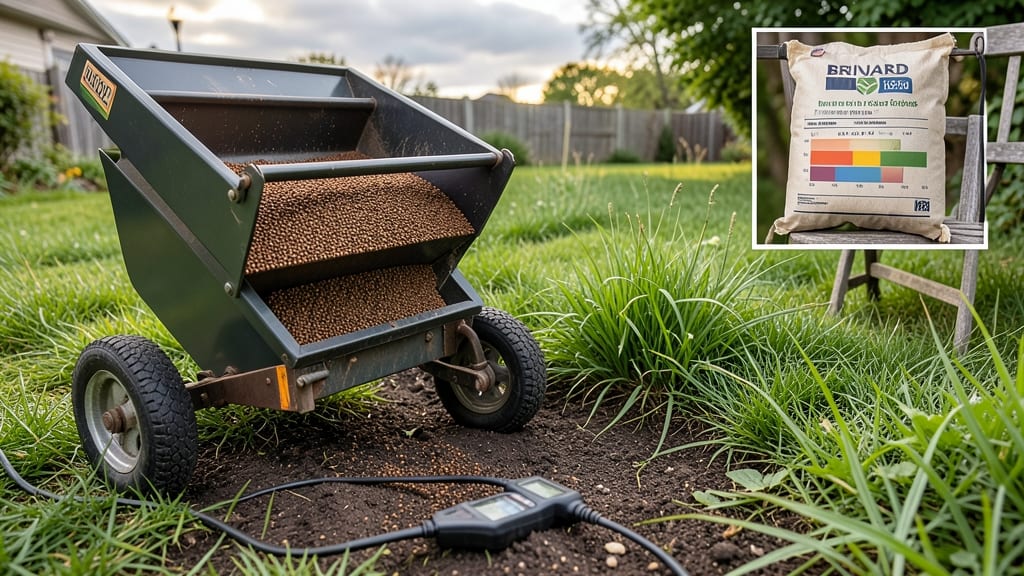
Fertilizing your lawn at the right time boosts growth and keeps it lush 🌱—but miss the window, and you’re just wasting money (or worse, burning your grass).
Struggling to keep your lawn vibrant and healthy? Timing your lawn fertilization wrong can waste money and harm your grass—here’s how to master the perfect schedule for your climate zone.
Most homeowners fertilize once a year in spring, but that’s only half the story. Cool-season grasses (like fescue) need a fall feeding to survive winter, while warm-season types (like Bermuda) thrive with summer applications. Without the right timing, you’ll end up with patchy, weak grass that never recovers.
In this guide, I’ll walk you through the 4-step seasonal checklist for your USDA Zone, including when to feed, how often, and what to avoid—so you can finally stop guessing and start growing a lawn that’s the envy of the neighborhood.
4 Key seasonal signs it’s time to fertilize your lawn
Your lawn sends clear signals when it’s hungry for nutrients—but many homeowners miss them. Fertilizing at the wrong time can burn grass, waste money, or even invite pests.
The key is understanding how seasonal changes affect your grass type, whether it’s cool-season (like Kentucky bluegrass) or warm-season (like Bermuda grass). I’ll break down the 4 most reliable signs to fertilize, so you never guess again.
First, observe your grass’s color and growth rate. Healthy lawns have vibrant green blades that grow 1-2 inches per week during peak seasons. If your grass is pale green or yellowing despite regular watering, it’s starving for nitrogen.
For cool-season grasses, this often happens in early spring or fall, while warm-season grasses show these signs in late spring or summer.
Next, check the soil temperature. Use a soil thermometer to measure 2 inches deep. Cool-season grasses thrive when soil temps are 55-65°F, while warm-season grasses need 65-75°F.
If your grass is actively growing but the soil is too cold or hot, fertilization will stress the roots instead of helping. This is a common mistake in transition zones like Texas or Oklahoma.
Watch for uneven growth or weeds. If your lawn has bare patches or weeds like crabgrass popping up, it’s a sign your grass lacks nutrients to compete. Weeds thrive in weak, nutrient-depleted soil, so fertilizing at this stage can restore balance.
Timing matters here—apply fertilizer when weeds are young and actively growing (typically spring or early summer).
Now, let’s compare the best seasonal signs for fertilizing cool-season vs. warm-season grasses. The table below highlights the critical differences, so you can act at the perfect moment.
Don’t overlook climate triggers like rainfall or drought. If your area has had less than 1 inch of rain per week, your grass may show signs of stress sooner. In dry climates, like those in the Southwest, fertilize 2-3 weeks after a deep watering to avoid burning roots.
Conversely, in wet regions, like the Pacific Northwest, wait until the soil dries slightly after rain to apply fertilizer.
For cool-season grasses, the fall fertilization (6-8 weeks before frost) is often the most critical. This helps roots store energy for winter and results in a greener spring lawn.
In contrast, warm-season grasses need their late spring feeding to handle the heat and drought of summer. Skipping this step can leave your lawn thin and patchy by August.
Pro tip: Always mow before fertilizing to avoid clipping off fresh nutrients. Set your mower to 3-4 inches for cool-season grasses or 1-2 inches for warm-season types.
This height ensures your grass can absorb nutrients efficiently without stress. After fertilizing, water deeply for 15-20 minutes to activate the granules and prevent runoff
Best fertilization schedule by u.s. climate zone
Your lawn’s health depends on timing fertilization with your local climate. Northern states thrive with spring and fall feedings, while Southern regions benefit from summer applications. Transition zones blend both approaches. Let’s break down the best schedule for your region to keep your grass lush year-round.
In Northern Zones (USDA 3-6), focus on early spring and fall when cool-season grasses like Kentucky bluegrass and fescue are most active. Southern Zones (USDA 7-10) prioritize late spring and summer for warm-season grasses such as Bermuda and Zoysia. Transition zones (USDA 6-7) require a hybrid approach.
Here’s a quick-reference table for state-by-climate zone fertilization timing:
| Zone | Early Spring | Late Spring | Summer | Fall |
|---|---|---|---|---|
| Northern (USDA 3-6) | March-April (high nitrogen) | May-June (light feed) | Skip (unless drought stress) | September-October (root strength) |
| Southern (USDA 7-10) | Skip (dormant season) | May-June (peak growth) | July-August (monthly) | Skip (unless winter grass) |
| Transition (USDA 6-7) | March-April (cool-season) | June-July (warm-season) | Light feed (August) | September-October (cool-season) |
For Northern states like Minnesota or New York, apply spring fertilizer in March-April when soil temps hit 50°F. Southern states like Texas or Florida should fertilize in late spring when warm-season grasses wake up. Transition zones like Tennessee or Virginia need both spring and fall feedings.
Always test your soil pH first. Most lawns need a pH of 6.0-7.0 for optimal nutrient uptake. Adjust with lime or sulfur before fertilizing. Water deeply after applying to help roots absorb nutrients.
Skip winter fertilization—grass is dormant and won’t use nutrients. Instead, focus on fall aeration to prep for next year’s growth. With this schedule, your lawn will stay green, dense, and resilient all season long. 🌱