
Lawn
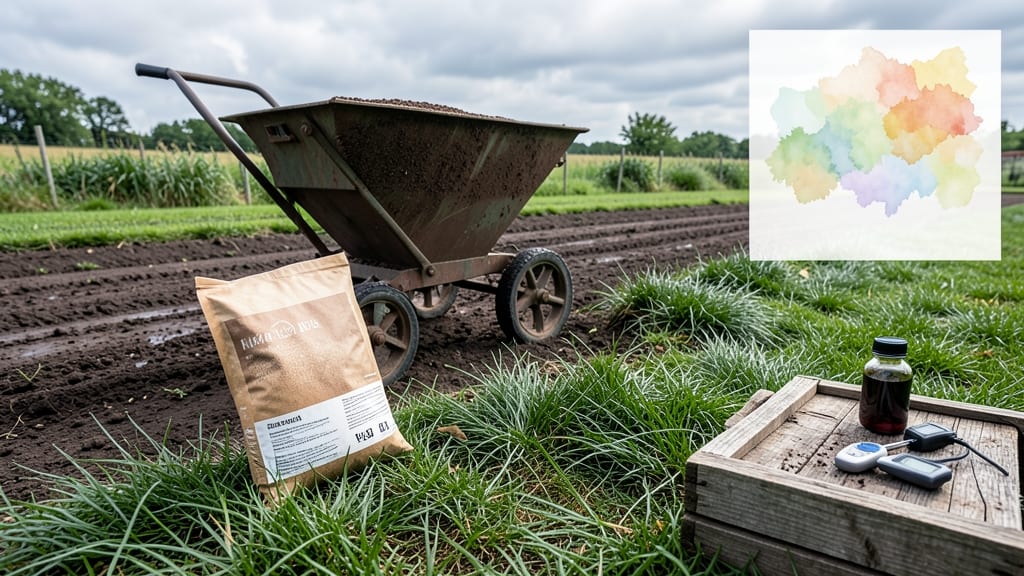
To fertilize your lawn at the best times, align with your grass type and local climate: cool-season grasses thrive with feedings in early spring (late March to May) and fall (September to November), while warm-season grasses need fertilization in late spring to early summer (May to July). Always check soil temperatures and frost dates for precise timing.
Timing matters because it directly impacts root growth and nutrient absorption. Cool-season grasses like fescue and ryegrass grow most actively in cooler months, so fertilizing in early spring helps them recover from winter dormancy, while fall applications prepare them for winter survival.
Warm-season grasses such as Bermuda and Zoysia, on the other hand, need nutrients when temperatures rise to fuel their rapid growth during summer. 🌱 I always recommend testing your soil first—this helps determine if you need to adjust fertilizer types or application rates based on local conditions.
Another key factor is your region's climate zone. For example, lawns in the Northern U.S. (USDA Zones 3-6) may benefit from a third light feeding in late summer, while Southern lawns (Zones 7-10) should avoid fertilizing during extreme heat to prevent stress.
High-traffic areas or newly seeded lawns also require special attention—over-fertilizing can burn delicate grass blades or encourage excessive top growth at the expense of root strength.
💡 In This Article
- Seasonal Fertilizing Guide by Grass Type
- Climate-Specific Fertilizing Schedules for Healthy Lawns
Seasonal fertilizing guide by grass type
Cool-season grasses like Kentucky bluegrass, fescue, and ryegrass follow a natural growth cycle that peaks in early spring and fall when soil temperatures range between 50-65°F. This is when their root systems are most active, absorbing nutrients efficiently to fuel recovery from winter dormancy and prepare for seasonal changes.
The key here is timing—fertilizing too early in spring when the ground is still cold or too late in fall before frost can leave your lawn vulnerable to disease or winter stress.
Warm-season grasses such as Bermuda, Zoysia, and St. Augustine grass, on the other hand, thrive when soil temperatures exceed 65°F, typically between May and July.
These grasses enter dormancy in fall and winter, so fertilizing during their active growth phase ensures they develop strong root systems to withstand heat and drought.
The difference in growth cycles explains why cool-season grasses need two main feedings (spring and fall), while warm-season grasses often require just one or two applications during their peak growing season.
Understanding these cycles helps you avoid common mistakes, like fertilizing dormant grass, which wastes nutrients and can harm the lawn. For example, applying nitrogen-heavy fertilizers to warm-season grasses in early spring—when they're still dormant—won't help and may even encourage weed growth.
Instead, wait until the grass shows signs of green-up, usually when soil temperatures consistently reach 60°F for several days.
Climate plays a critical role in adjusting these timelines. In Northern regions (USDA Zones 3-6), where winters are harsh, a third light feeding in late summer can help cool-season grasses maintain color and strength before winter.
Meanwhile, Southern lawns (Zones 7-10) should avoid fertilizing during extreme heat, as high temperatures can burn grass blades and reduce nutrient uptake. Always check your local frost dates and soil temperature trends to fine-tune your schedule.
For instance, if you live in Zone 5 and have tall fescue (a cool-season grass), aim for your first feeding in early April when soil temperatures hit 55°F, followed by a second application in early October.
In contrast, if you have Bermuda grass (warm-season) in Zone 9, focus on fertilizing in late May and again in early July. These adjustments ensure your lawn gets nutrients when it needs them most, promoting deeper roots and lush growth.
Pro tip: Use a soil thermometer to monitor temperatures—this small tool can save you from guessing and help you align fertilizing with your grass's natural growth rhythm. 🌱