
Fertilization
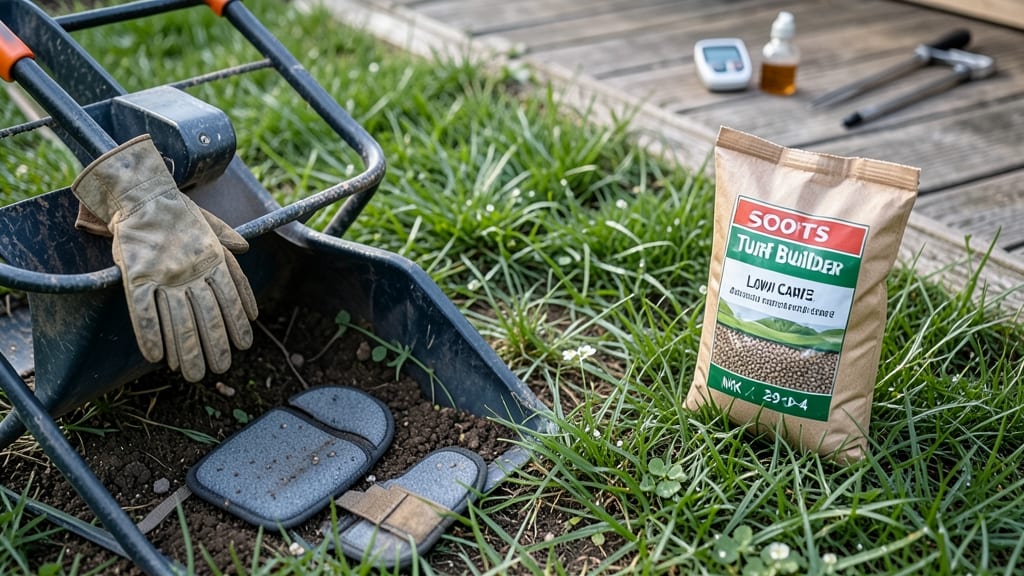
A good time to fertilize your lawn is during early spring (when soil reaches 55–60°F) and late summer (before fall cooling), aligning with grass growth peaks and avoiding extreme heat or drought stress. Test soil first to adjust pH and nutrient needs.
A well-timed fertilization schedule ensures your lawn gets the nutrients it needs without wasting resources. 🌱 Spring fertilization kickstarts growth after winter dormancy, while late summer applications strengthen roots before winter.
The key is matching your grass type—cool-season grasses like fescue thrive in early spring, while warm-season grasses like Bermuda peak in late summer. Always check soil temperature first, as applying fertilizer when the ground is too cold or too hot can lead to nutrient loss or even damage your grass.
For best results, use a soil test to determine pH levels and nutrient deficiencies before selecting a fertilizer. This helps you choose the right NPK (nitrogen, phosphorus, potassium) ratio for your specific lawn needs.
Slow-release fertilizers work well for gradual nutrient delivery, while quick-acting options provide an immediate boost during peak growth periods. Planning your fertilization around seasonal triggers—not just calendar dates—will give you the lush, healthy lawn you're aiming for.
💡 In This Article
- How Soil Temperature and Season Affect Lawn Fertilization
- Step-by-Step Guide to Choosing the Right Fertilizer for Your Grass Type
How soil temperature and season affect lawn fertilization
Soil temperature acts like a biological switch for grass growth, triggering when nutrients become available. When soil reaches 55–60°F in spring, cool-season grasses like Kentucky bluegrass and fescue wake from dormancy and begin active growth.
This temperature range activates soil microbes that break down organic matter, releasing nitrogen—grass's primary growth fuel. Below 50°F, microbial activity slows to a crawl, making fertilizer applications nearly useless until the ground warms.
In late summer, warm-season grasses like Bermuda and Zoysia need soil temperatures between 65–75°F for optimal nutrient absorption. At these temperatures, grass roots expand aggressively to store energy for winter, a process called root hardening.
Applying fertilizer too early in summer (when soil exceeds 80°F) risks fertilizer burn, where salts in the fertilizer dehydrate grass blades. The key is timing: aim for 6-8 weeks before first frost to give roots time to utilize nutrients before dormancy sets in.
Seasonal growth cycles explain why spring and fall are prime times. During spring, grass blades grow rapidly, demanding nitrogen for chlorophyll production and leaf expansion. In fall, phosphorus becomes critical for root development, preparing the lawn for winter stress.
What most people miss is that rainfall patterns also matter—heavy rains after fertilization can wash away nutrients, while dry spells cause fertilizer to bake into the soil, becoming inaccessible to roots.
Consider your grass type's natural growth rhythm. Cool-season grasses grow best in 60–75°F conditions, while warm-season varieties thrive in 80–95°F ranges. Applying fertilizer outside these windows stresses the grass, as the plant can't process nutrients efficiently.
For example, fertilizing cool-season grass in summer wastes money because the grass is dormant, while warm-season grass fertilized in spring may scorch due to high soil temperatures.
Soil moisture plays a hidden role too. Fertilizer needs at least 1 inch of water within 24 hours to activate and move into the root zone. In dry climates, this means early morning applications to prevent evaporation.
Conversely, waterlogged soil can suffocate roots, preventing nutrient uptake. The ideal scenario is moist but not soggy soil—think of a damp sponge rather than a dripping one.
Professional landscapers use soil thermometers to track these conditions, but you can approximate by feeling the soil: if it's cool to the touch (55°F), it's ready for spring fertilization. For late summer, wait until daytime highs begin dropping below 90°F—this signals the shift toward fall growth. 🌱