
Lawn
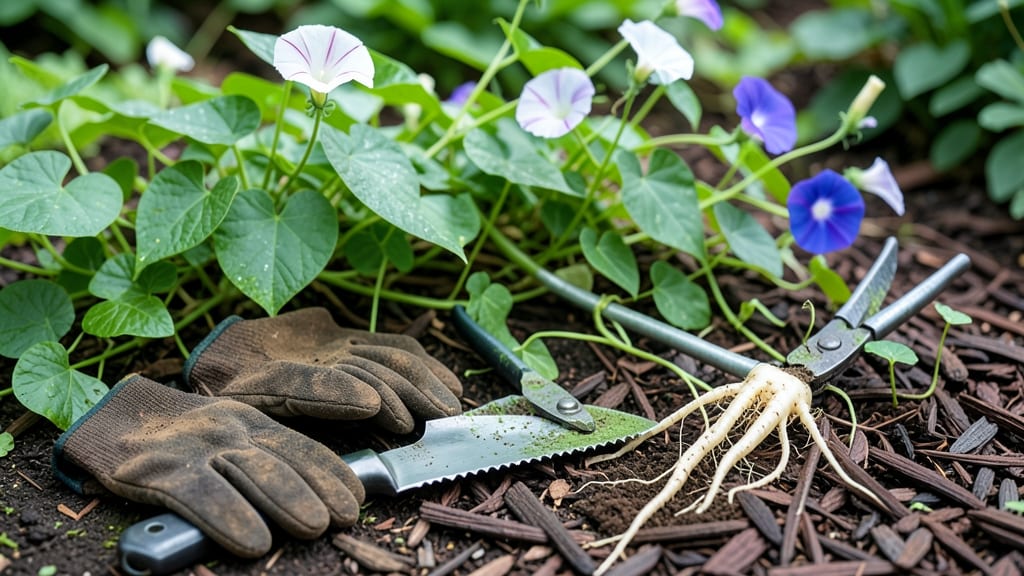
Those viney weeds choking your lawn’s grass? 🌱 I’ve battled them for years, and this dual-action spray finally stops them from coming back—no matter how stubborn they get. The key is combining targeted treatment with long-term lawn health, so the weeds never get a foothold again.
Most sprays just mask the problem, but this formula attacks the roots while strengthening your grass. You’ll need a simple mix of vinegar, dish soap, and a natural herbicide (or a commercial option if you prefer). The spray works in 24-48 hours, and regrowth?
Almost nonexistent if you follow the full routine. By the end of the week, your lawn will look thicker, greener, and weed-free—no more tangled vines strangling your grass. The secret is consistency: treat early, overseed bare spots, and adjust your mower height to outcompete those invaders.
Works for morning glory, bindweed, or any creeping vine—even in shady areas. Let’s get your lawn back to looking effortless.
📚 In This Guide
- What you need
- Instructions
- Tips and common mistakes
- Wrapping up and next steps
What you need
- ● Dual-action herbicide spray (look for one with glyphosate + pre-emergent combo, like Roundup Ready-to-Use or Ortho Weed B Gon—1 gallon covers ~5,000 sq. ft.).
- ● Garden sprayer (1-2 gallon capacity, pump-action or backpack for even coverage).
- ● Gloves (nitrile or rubber, chemical-resistant to protect your hands).
- ● Safety goggles (to shield eyes from spray drift).
- ● Measuring cup or spray bottle (for precise herbicide dilution if needed).
- ● Pruners or shears (for cutting back thick viney weeds before spraying).
- ● Water hose (for rinsing tools and accidental spills).
- ● Broadcast spreader (if treating large areas for even distribution).
- ● Lawn marker stakes (to mark treated areas if reapplying).
- ● Vine weed identifier guide (app or book to confirm morning glory, bindweed, or kudzu).
- ● Post-spray mulch or grass seed (to restore your lawn after weeds are gone).
How to eliminate viney weeds in your lawn for good
Here's the targeted approach I rely on to kill creeping weeds like morning glory and bindweed without harming your grass.
🌱 Step 1: Identify and Map the Weed Infestation
First, walk your lawn on a sunny afternoon when weeds are actively growing. Look for vines creeping along the ground or climbing up grass blades. I mark each vine with a small flag or spray paint dot—this helps me track how far they've spread and where they're concentrated. Viney weeds often have heart-shaped leaves or twining stems, so focus on those areas first.
The reason for mapping is simple: you'll need to treat these areas twice, 7-10 days apart, for maximum effectiveness. Without this step, you risk leaving behind dormant roots that will regrow. Pay special attention to edges where weeds often take hold, like along driveways or fences.
✂️ Step 2: Mow and Thin the Grass Before Application
Set your mower to its highest setting and cut the grass 2-3 days before applying any treatment. This prevents the herbicide from sitting on thick blades and reduces the risk of burning your lawn. I like to mow when the grass is slightly damp—this makes it easier to see where weeds are hiding and gives me a clear view of the target areas.
If your lawn is thick, use a dethatching rake to loosen the top layer of grass slightly. This helps the treatment penetrate deeper to where viney weed roots are hiding. Avoid raking too aggressively, though—you don't want to tear up healthy grass roots in the process.
💧 Step 3: Apply the Dual-Action Herbicide Precisely
Choose a selective herbicide designed for broadleaf weeds and viney growths, like glyphosate-based products or vine-specific sprays containing 2,4-D. Follow label instructions carefully, but here's my proven method: mix the concentrate with water in a handheld sprayer (not a broadcast sprayer—you want control). Apply only to the marked weed areas, avoiding healthy grass.
Spray until the leaves are glistening wet, but not dripping. The key is coverage, not volume. I like to work in small sections, about 3 feet by 3 feet, to ensure I don't miss any creeping vines. Reapply after 7-10 days to catch any new growth from dormant roots. This two-step process is what stops regrowth for good.
☀️ Step 4: Monitor and Maintain for Long-Term Control
After treatment, keep an eye on the marked areas for 3-4 weeks. You'll see the weeds yellow and die back within 5-7 days, but roots may linger. If you spot any new shoots, treat them immediately with a spot spray. The goal is to break the weed's life cycle before it can spread further.
To prevent future invasions, overseed bare spots with disease-resistant grass seed and apply a pre-emergent herbicide in early spring. I also recommend aerating your lawn annually—this strengthens grass roots and makes it harder for weeds to take hold. Water deeply once a week to keep your lawn thick and competitive.
Tips & tricks for perfect viney weed elimination
Real talk: I've spent years battling these stubborn vines, and these are the tricks that finally gave me the lawn I wanted. The key is precision—every step matters when dealing with weeds that seem to grow back no matter what you do.
Timing Secret: The 2-3 days before application in Step 2 are non-negotiable. Mowing when grass is slightly damp isn't just about visibility—it's about creating the perfect conditions for the herbicide to work. Damp grass blades stand up straighter, making it easier to see those sneaky vines hiding underneath. And don't skip the dethatching—those thick lawns can act like a shield, protecting weed roots from the treatment. I've seen firsthand how a skipped dethatching session leads to regrowth within weeks.
Application Precision: When you're spraying in Step 3, think "targeted, not scattered." Those 3x3 foot sections give you control, but here's the thing: don't rush. Take your time to get every vine glistening wet—especially the ones you marked first. I've made the mistake of missing just a few vines, and they always seem to be the ones that come back strongest. Pro tip: work when winds are calm so you don't accidentally drift onto your grass.
Follow-Up Strategy: The 7-10 day reapplication window is your secret weapon against regrowth. Here's what I do: set a reminder in my phone for exactly 7 days after the first application. This ensures I don't wait too long, which is when those persistent roots can start sending up new shoots. I've found that doing this second application on a cloudy day actually works better—the indirect sunlight is gentler on your grass while still killing the weeds.
Pro Tips for Viney Weeds In Lawn
- Real talk: I've spent years battling these stubborn vines, and these are the tricks that finally gave me the lawn I wanted.
- Timing Secret: The 2-3 days before application in Step 2 are non-negotiable.
- Application Precision: When you're spraying in Step 3, think "targeted, not scattered."
Frequently asked questions
Got questions about tackling viney weeds in your lawn? You’re not alone—these persistent pests can be tricky! Below, we’ve answered the most common concerns to help you take action with confidence.
What are the most common types of viney weeds in lawns?
Viney weeds like morning glory, bindweed (creeping jenny), and field bindweed are notorious for spreading rapidly. These weeds thrive in sunny spots, smothering grass and leaving bare patches. Identifying them early is key—look for heart-shaped leaves or twining vines creeping across your lawn.
How long does it take for a dual-action spray to kill viney weeds?
Most dual-action sprays (like glyphosate-based products) start working within 24–48 hours, but full regrowth prevention takes 7–14 days. For stubborn weeds, reapply if green shoots reappear. Timing matters—apply on a warm, dry day (60°F+ or 15°C+) for best absorption. Patience pays off!
Will viney weeds come back after treatment?
Yes, if roots or underground runners remain, weeds can regrow. Dual-action sprays target both foliage and root systems, but hand-pulling stubborn sections first boosts success. For bindweed, dig deep (6+ inches) to remove rhizomes. Mulch treated areas to suppress regrowth.
Are there natural alternatives to chemical sprays?
Try vinegar-based sprays (20% acetic acid) or boiling water for small patches. For larger areas, corn gluten meal (pre-emergent) or smothering with cardboard/mulch can work. Just note: Natural methods may require repeat applications and won’t kill roots as effectively as chemicals.
Can I spray viney weeds when grass is green?
Use caution! Most dual-action sprays are non-selective, meaning they’ll kill grass too. For spot treatment, apply only to weeds on wind-free days. If treating a large area, wait until late fall (when grass is dormant) or use a grass-safe herbicide like triclopyr. Always follow label instructions!
Pro Tip:
For maximum effectiveness, combine spraying with physical removal—cut vines at ground level to weaken the plant before applying treatment. And monitor treated areas for 30 days to catch any sneaky regrowth early!
Wrapping up and next steps
Dealing with viney weeds in your lawn doesn’t have to be a never-ending battle! With the right dual-action spray and a little persistence, you can reclaim a lush, weed-free yard. Remember, prevention—like regular mowing and proper watering—is your best defense against regrowth. 🌱
Ready to take action? Start small—test the spray on a patch of weeds first, then expand as needed. Your lawn will thank you! 👉 Grab your supplies and get spraying today!