
Lawn
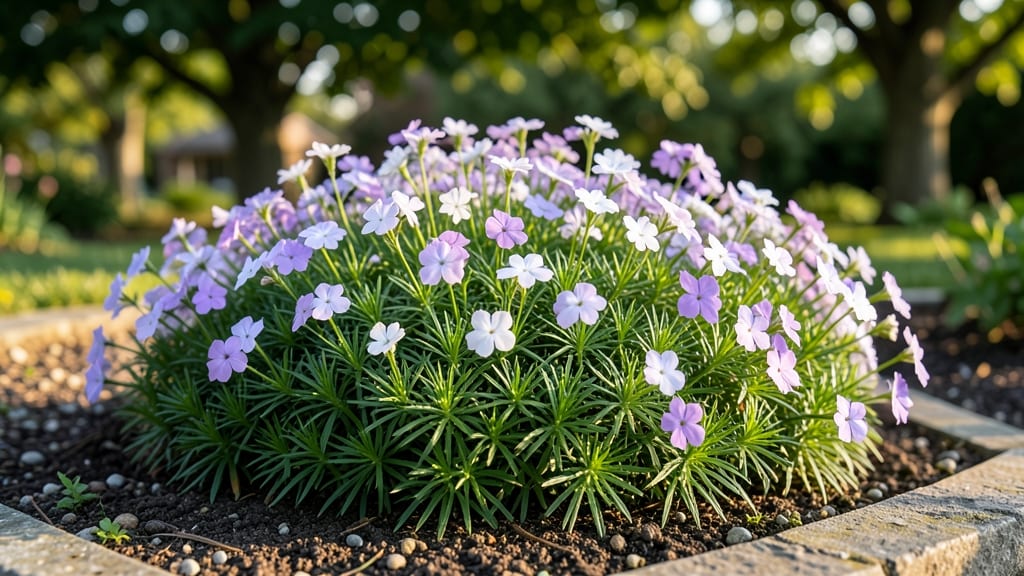
Your lawn could be a buzzing pollinator paradise with small white and purple flowers in lawn without losing a single square foot of grass. 🌸 Tiny wildflowers like creeping phlox and clover blend seamlessly into turf while attracting bees, butterflies, and hummingbirds—no extra mowing or weeding required.
The secret lies in choosing plants that stay low, spread gently, and thrive in typical lawn conditions. Most people overlook creeping thyme, white Dutch clover, or purple self-heal—all of which handle foot traffic better than many lawn grasses.
These flowers bloom in early summer, then fade into lush green ground cover that stays put.
By late June, you’ll have a lawn that looks intentionally designed, not neglected. The white blooms contrast beautifully against green grass, while purple flowers add depth. Best of all, you’ll see bees and butterflies you’ve never noticed before—all while keeping your mower on its usual schedule.
Works in full sun or partial shade, from coastal climates to inland heat. The key is seeding or planting in early spring when soil is workable but not waterlogged. No special tools or skills needed—just a little patience for the first growing season.
The Hidden Triggers Behind Them
Those delicate tiny white and lavender blooms popping up in your lawn aren’t just a surprise—they’re often a sign your yard’s ecosystem is shifting in subtle (and sometimes surprising) ways.
Understanding the root causes helps you decide whether to embrace them as a natural upgrade or take action to restore your grass. Here’s why they appear—and what’s really going on beneath the surface.
Most lawns harbor a time capsule of seeds from years past—especially if your yard has seen neglect, renovations, or even just seasonal changes.
Many wildflowers, clovers, and creeping charlie relatives (like Trifolium repens or Viola sororia) produce tiny, hardy seeds that can lie dormant for years until conditions become just right.
- Why it happens: Seeds need three key triggers to germinate: moisture (to soften the seed coat), warmth (to activate enzymes), and light or soil disturbance (to break dormancy). A dry spell followed by heavy rain? Boom—seed rush.
- Actionable insight: If your lawn has never been treated with pre-emergent herbicides (or if you skipped last year’s application), these seeds may finally get their chance. Even a simple aeration session can expose buried seeds to light and oxygen, kicking off germination.
- 💡 Pro tip: Test your soil’s seedbank by planting a small patch of bare soil in a pot. If wildflowers sprout within weeks, your lawn is a ticking time bomb of blooms!
Extreme weather—whether it’s prolonged drought followed by sudden downpours or unseasonably warm winters—can stress grass and create openings for wildflowers. These plants are often drought-tolerant and thrive in low-maintenance conditions that kill off weak or over-manicured turf.
| Weather Trigger | How It Helps Wildflowers | Grass Response |
|---|---|---|
| Drought stress | Grass weakens; wildflowers’ deep roots outcompete shallow turfgrass roots. | Brown patches, thinning, or bare spots. |
| Heavy, compacted rain | Soil becomes anaerobic (low oxygen), suffocating grass but not wildflowers. | Lawn turns spongy; thatch builds up. |
| Mild winters | Seeds germinate earlier; some wildflowers bloom year-round. | Grass may grow patchy or go dormant late. |
🌡️ Key factor: Wildflowers like Phlox subulata (moss phlox) or Ajuga reptans (bugleweed) often outlive grass in high-stress conditions. If your lawn is thinning in summer, these plants may be nature’s way of filling the gaps.
Grass is a heavy feeder—it craves nitrogen, phosphorus, and potassium in precise balances. When soil pH drifts too acidic (below 6.0) or alkaline (above 7.5), or when nutrients become depleted, turfgrass struggles while wildflowers and weeds (which often prefer lower fertility) take over.
- Why it happens:
- Acidic soil (low pH): Common in areas with pine trees or heavy rainfall. Grass like Kentucky bluegrass suffers, but violets (Viola spp.) and clover thrive.
- Alkaline soil (high pH): Often from limestone bedrock or over-fertilization. Dandelions and chickweed dominate here.
- Compacted soil: Prevents roots from accessing nutrients, starving grass but not shallow-rooted wildflowers.
- 🔬 Test this: Grab a soil sample and check pH with a DIY test kit. If it’s outside 6.0–7.0, that’s your clue—wildflowers are moving in.
- ✨ Silver lining: Many of these flowers (like self-heal (Prunella vulgaris)) are indicator species for healthy soil. They signal microbial activity and organic matter—even if they’re not the grass you planted!
Even the most diligent lawn owners can accidentally create conditions that favor wildflowers. Here’s how common oversights lead to unexpected blooms:
- 🚫 Skipping pre-emergent herbicide:
Pre-emergents block crabgrass and other weeds—but they also suppress wildflowers that germinate in spring. If you stopped using it, seeds you’ve ignored for years may finally sprout.
- ✂️ Mowing too short:
Grass cut below 2–3 inches weakens, while wildflowers like creeping charlie or white clover thrive in low-cut conditions because they photosynthesize more efficiently at ground level.
- 💧 Overwatering or underwatering:
Grass needs 1–1.5 inches of water weekly. Too much = fungus and thatch; too little = dormant seeds activate. Wildflowers often prefer irregular watering because they’re adapted to dry spells.
- 🌿 No overseeding:
If you don’t reseed bare patches, wildflowers fill the void. They’re fast colonizers—some spread via underground runners (like creeping buttercup) or self-seeding (like lady’s thumb).
🔥 Quick fix: If you want to discourage wildflowers, focus on consistent mowing (3–4 inches), soil testing, and overseeding in fall. But if you’re open to a low-maintenance, pollinator-friendly lawn, these blooms might be your new best friends!
Quick Fixes for Unwanted Blooms
If those charming small white and purple flowers popping up in your lawn are more of a surprise than a delight, don’t worry—you’re not alone!
These blooms (likely self-seeding wildflowers, clover, or creeping phlox) can spread quickly, but with the right approach, you can manage them without sacrificing your lawn’s health or the pollinators they attract.
Below are practical, step-by-step solutions tailored to the most common causes, plus prevention tips to keep your lawn looking intentional (not accidental).
Cause: Self-seeding flowers like creeping phlox, violets, or white clover thrive in sunny lawns with minimal mowing or herbicide use. They’re often a sign your soil is healthy—but their spread can feel unruly.
🔥 How to Control Them (Without Harming Pollinators)
- 🍳 Spot-Treat with Manual Removal - Pull by hand when soil is moist (after rain) for easiest extraction.
Grab the base of the plant and wiggle gently to avoid breaking roots. - Pro tip: Use a weeding tool or dandelion digger for stubborn clumps. A gloved hand works too—just be patient!
- ⏰ Mow Strategically
- Set your mower higher (3–4 inches) to shade out weeds naturally. Taller grass blocks sunlight, slowing their growth.
- Frequency matters: Mow regularly (every 1–2 weeks) to prevent seed heads from forming.
- 🌡️ Smother or Solarize (For Large Patches)
- Lay cardboard or thick mulch over the area for 4–6 weeks to block sunlight. The plants will die without light.
- Alternative: Use a black plastic tarp in hot months (solarization) to cook weeds out of the soil.
- 🎯 Prevent Regrowth with Corn Gluten Meal
- Apply corn gluten meal (a natural pre-emergent) in early spring to stop new seeds from sprouting.
- Bonus: It also fertilizes your lawn!
Cause: Plants like creeping phlox or ajuga spread via rhizomes (underground stems), making them tough to eliminate with quick fixes.
🔪 Deep Cleanse Methods
- 👨🍳 Dig Out the Roots - Use a shovel or garden fork to dig 6–8 inches deep around the perimeter of the patch.
Remove all rhizomes—even tiny fragments can regrow. - Pro tip: Soak the area with vinegar (20% acetic acid) or boiling water 24 hours before digging to weaken roots.
- 🌡️ Solarize or Use Landscape Fabric
- Cover the area with clear plastic for 6–8 weeks in summer to bake out roots.
- Long-term fix: Install landscape fabric under new sod or mulch to block regrowth.
- 💡 Replant with Competitive Ground Covers
- Overseed with dense grasses (like fine fescue or creeping red fescue) or plant low-growing perennials (e.g., sedge or thyme) to outcompete invaders.
Cause: Broadleaf herbicides (like 2,4-D) can kill desired flowers while leaving tough weeds behind, creating a vacuum for wildflowers to move in.
🔄 Corrective Actions
- 🌱 Test Soil First
- Conduct a soil test to check pH and nutrients. Low nitrogen or compacted soil encourages weeds—amend with compost or a balanced fertilizer.
- ✨ Choose Selective Herbicides
- Use targeted herbicides (like clover killers or grass-specific products) to avoid harming wildflowers.
- Organic option: Iron-based herbicides (e.g., Iron X) can kill broadleaf weeds without affecting grasses or flowers.
- 🌿 Reseed with Pollinator-Friendly Grass
- After treating, overseed with a shade-tolerant, low-maintenance grass mix (e.g., Kentucky bluegrass + white clover blend).
- Why? Clover fixes nitrogen, reducing the need for fertilizers while keeping weeds in check.
Want to keep the blooms but control their spread? Try these long-term strategies:
- 💡 Mow High & Often: A 3–4 inch height discourages weeds while keeping grass healthy.
- 🌡️ Water Deeply & Infrequently: Encourages deep grass roots, outcompeting shallow-rooted weeds.
- 🌱 Overseed Bare Spots: Fill thin areas with grass seed or clover to crowd out wildflowers naturally.
- 🎯 Use a String Trimmer for Edges: Keep lawn borders neat to prevent creeping plants from encroaching.
- 🔄 Embrace the Wild Side: If the flowers aren’t bothering you, let them stay—they’re a free pollinator buffet!
Final Thought: Most of these "weeds" are harmless (or helpful!)—so before reaching for chemicals, ask yourself: Do I really need a sterile lawn, or could I enjoy a few wildflower surprises? If the answer is the latter, minimal intervention might be all you need! 🐝✨
Frequently asked questions
Are small white and purple flowers in my lawn always weeds?
Not necessarily! Many of these blooms—like creeping phlox, white clover, or self-heal—are actually beneficial ground covers that attract pollinators. They thrive in low-maintenance conditions and can even improve soil health by fixing nitrogen. Only consider them "weeds" if they're spreading aggressively or crowding out your desired grass.
How can I encourage more of these pretty blooms in my lawn?
To attract more white and purple lawn flowers, try these tips: Mow higher (3-4 inches) to create shade, reduce watering frequency, and avoid synthetic fertilizers. Planting wildflower mixes designed for lawns (like creeping thyme or Dutch white clover) can also help. These plants naturally fill gaps while staying low enough for mowing.
Will these flowers harm my grass or lawn health?
Most small white and purple lawn flowers are harmless and may even benefit your grass. Plants like white clover fix nitrogen in the soil, reducing fertilizer needs. However, some aggressive spreaders (like creeping charlie) can outcompete grass if not managed. The key is balance—let them coexist unless they're taking over completely.
What's the best time of year to plant these flowers?
For best results, plant white and purple lawn flowers in early spring (March-April) or early fall (September-October). These periods provide ideal soil temperatures (50-65°F) for seed germination. Avoid planting during extreme heat or cold, as seeds may struggle to establish before summer drought or winter freeze sets in.
How do I tell the difference between beneficial flowers and invasive weeds?
Look for these clues: Beneficial flowers like creeping phlox have delicate stems and clustered blooms, while invasive weeds often have thick stems or spiky seed heads. Check the growth pattern too—plants that spread via underground runners (like creeping buttercup) tend to be more aggressive. When in doubt, research the specific plant using a gardening app or local extension service.