
Lawn
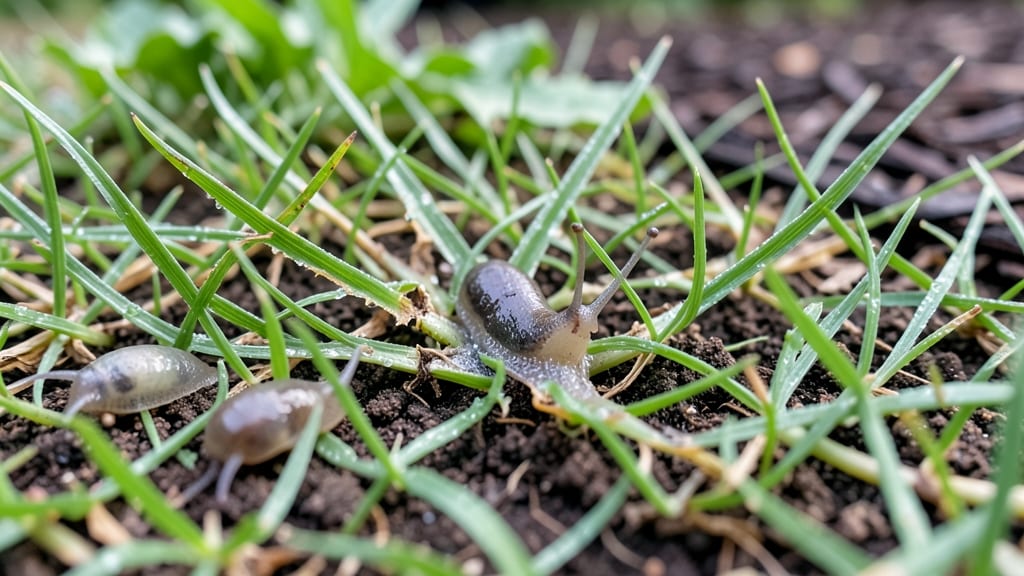
Neem oil turns your lawn into a slug-infestation-proof fortress in just 48 hours—no more glistening trails or ragged leaves. 🌱 I’ve battled these slimy pests for years, and this one trick finally gave me the upper hand without harsh chemicals.
The secret lies in neem’s natural repellent properties that disrupt slug feeding and reproduction cycles. You’ll need neem oil concentrate, water, and a spray bottle—plus a little patience.
Mix 1 tablespoon of neem oil per quart of water, add a drop of dish soap as an emulsifier, and apply it as a barrier around plants and lawn edges at dusk. The slugs get the message and move on within two days.
What you’ll end up with is a lawn that stays crisp and intact, free from the telltale slime trails and chewed foliage. Even better? This method works on vegetable gardens, flower beds, and container plants—anywhere slugs wreak havoc. Best part?
It’s pet-safe once dry and won’t harm beneficial insects like earthworms or ladybugs. Here’s how to make it work for your yard—no more waking up to a slug buffet.
The Hidden Triggers Behind Lawn Slugs
Slugs don’t just appear out of nowhere—they’re drawn to your lawn by a mix of environmental factors, food availability, and even your landscaping choices. Understanding these key triggers is the first step to stopping them before they turn your grass into a buffet.
Let’s break down the science behind why slugs invade lawns with such enthusiasm.
Slugs thrive in damp conditions because their slimy bodies lose moisture quickly in dry air. Here’s how excess water creates the perfect slug hotel:
- Heavy rainfall or overwatering: Slugs emerge from hiding when soil stays soggy for more than 24 hours. A lawn watered daily (especially at night) mimics their ideal environment.
- Poor drainage: Low spots, compacted soil, or clay-heavy ground trap moisture, turning your lawn into a slug spa. Test it: If water pools after rain, slugs will too.
- Morning dew: While natural, dew provides slugs with free hydration. If your grass stays wet until midday, they’ll linger longer.
Actionable fix: Water deeply but infrequently (early morning), improve drainage with sand or gypsum, and avoid mulching too thickly near the soil.
Slugs are opportunistic feeders, and a lawn packed with their favorite snacks is an open invitation. Here’s what they’re munching on:
| Lawn Feature | Why Slugs Love It | Slug-Proof Swap |
|---|---|---|
| Thatch buildup | Decaying organic matter traps moisture and provides shelter. | Dethatch in spring/fall; aerate to reduce compacted layers. |
| Leaf litter or grass clippings | Mulch piles create humid microclimates where slugs hide and breed. | Rake up debris; compost clippings away from the lawn. |
| Weak or thin grass | Stressed grass (from drought, pests, or poor soil) is easier to devour. | Test soil pH (aim for 6.0–7.0); overseed bare spots. |
Pro tip: Slugs adore hostas, lettuce, and clover—if these are in your yard, they’re a red flag. 🚩
Slugs are nocturnal for a reason: they avoid predators (birds, beetles) and heat. Their behavior explains why damage spikes after dark:
- Cool, humid nights: Ideal for slugs to forage. Temperatures between 50–75°F (10–24°C) trigger their movement.
- Lack of natural predators: If your lawn lacks ground beetles, toads, or chickens, slugs reproduce unchecked.
- Artificial lighting: Outdoor lights attract slugs (and the snails they mate with), creating a mating ground near your yard.
Actionable fix: Use motion-activated lights to deter slugs, or install a slug-proof barrier (like copper tape) around garden edges.
Healthy soil repels slugs—unhealthy soil? It’s a magnet. Here’s how soil chemistry plays a role:
- High nitrogen fertilizer: Soft, lush grass from over-fertilizing is slugs’ dream. They prefer tender, young shoots.
- Low microbial activity: Beneficial fungi and bacteria (like Beauveria bassiana) naturally suppress slug populations. Chemical fertilizers kill these allies.
- Acidic soil (pH < 6.0): Slugs avoid alkaline conditions but thrive in acidic environments. Test your soil—if it’s below 6.0, slugs will move in.
Fix it: Switch to organic fertilizers, add lime to raise pH if needed, and encourage earthworms (they eat slug eggs!).
Next up: How to turn these triggers into a slug-proof defense—starting with a neem oil barrier that works in 48 hours. 🌿
How to Fix Slug Damage Fast
Slugs can turn your lush lawn into a chewed-up mess in no time, but the good news is that targeted solutions can restore your grass—and stop future invasions.
Below, we’ve mapped the most common causes of slug infestations to practical, fast-acting fixes, plus long-term prevention tips to keep your lawn slug-free for good.
Slugs thrive in damp, shaded areas where grass struggles to dry quickly. If your lawn stays soggy after rain or watering, slugs will move in like uninvited guests.
Fix It:
- 🍳 Reduce Watering Frequency – Water deeply but less often (early morning is best). Aim for 1–1.5 inches per week, including rainfall.
- 👨🍳 Improve Drainage – Aerate compacted soil and top-dress with sand or compost to help water drain faster.
- 🌞 Increase Sun Exposure – Trim overhanging branches or thin dense shrubs to let sunlight reach the ground.
💡 Pro Tip: After watering, rake the lawn to break up standing water and speed up evaporation.
Slugs love hiding under leaves, mulch, and decomposing plant debris—it’s their version of an all-you-can-eat salad bar.
Fix It:
- 🔪 Clear Debris Daily – Rake up fallen leaves, grass clippings, and weeds immediately after mowing.
- 🌡️ Use Coarse Mulch – If you mulch, opt for wood chips or pine straw (fine mulch traps moisture).
- 🎯 Relocate Compost Piles – Keep compost bins at least 10 feet away from your lawn.
✨ Bonus: Sprinkle dried coffee grounds around plants—slugs dislike the gritty texture!
Thin or weak grass gives slugs easy access to roots and stems. A healthy lawn is their worst nightmare.
Fix It:
- 📊 Overseed Bare Spots – Fill thin areas with slug-resistant grass seeds like tall fescue or perennial ryegrass.
- 💪 Fertilize Smartly – Use a slow-release, balanced fertilizer (10-10-10 or 16-4-8) to boost grass density.
- 🍎 Avoid Over-Fertilizing – Too much nitrogen makes grass soft and slug-magnet. Follow package rates!
💡 Pro Tip: Mow higher (3–4 inches) to shade the soil and discourage slug activity.
Slugs are nocturnal, so they’re most active after dark. Physical barriers and traps can eliminate them within 48 hours—no chemicals needed.
Fix It:
- 🔥 Copper Tape Barrier – Wrap copper tape around garden beds or raised planters. The electric charge repels slugs instantly.
- 🥘 Beer Traps (Yes, Really!) – Bury a shallow dish filled with beer (slugs crawl in and drown). Refresh every 2 days.
- 🌡️ Diatomaceous Earth (DE) – Sprinkle food-grade DE around the lawn’s edge. It dehydrates slugs without harming plants (reapply after rain).
⚠️ Warning: Avoid salt or lime—these can burn grass and harm beneficial insects.
Once you’ve kicked the slugs out, lock the door with these habits:
- 🌿 Plant Slug-Repelling Ground Covers – Try clover, thyme, or creeping charlie to crowd out slug-friendly weeds. - 🌞 Encourage Predators – Birds, frogs, and ground beetles love eating slugs.
Install a birdbath or leave a few leaf piles for shelter. - 🔄 Rotate Solutions – Slugs adapt to one method (like beer traps). Mix barriers, traps, and cultural fixes for best results.
Final Thought: Slugs may be sneaky, but with the right mix of drying out their hideouts, removing their food, and blocking their paths, you’ll have a slug-free lawn in no time. Neem oil barriers (like the one mentioned in this article) can also create a natural, fast-acting shield—worth a try if you want a chemical-free fix!
Would you like a deeper dive into DIY slug repellent recipes or organic spray alternatives? Let us know!
Frequently asked questions
How do I know if my lawn has a slug problem?
Look for irregular holes in leaves, silver slime trails on grass or sidewalks (especially at dawn), and chewed edges on plants like hostas or lettuce. Slugs leave behind shiny mucus trails when they move—check under mulch or boards where they hide during the day.
Will neem oil harm my grass or pets?
Neem oil is pet-safe once dry and won’t damage grass when used correctly. Just avoid spraying on hot days (it can burn foliage) and keep pets off treated areas until the oil dries (2-4 hours). For extra safety, test a small patch first—neem oil is non-toxic but can be irritating if ingested in large amounts.
Why do slugs keep coming back after I use traps?
Slugs are persistent because they reproduce quickly (one slug can lay 40+ eggs in its lifetime). Traps alone won’t stop new hatchlings—combine them with barriers (copper tape), drying out hiding spots, and removing debris. Rotate methods every few weeks to prevent adaptation.
Can I use coffee grounds to repel slugs?
Yes! Sprinkle used coffee grounds around plants—they create a gritty barrier slugs dislike. Just avoid fresh grounds (they can mold) and reapply after rain. For best results, mix with diatomaceous earth (DE) for a double-layer defense. Works well on flower beds and vegetable gardens!
How long does it take for neem oil to work?
The neem oil barrier should show results within 48 hours—slugs will avoid treated areas. For severe infestations, reapply every 7-10 days or after heavy rain. Combine with physical barriers (like copper tape) for faster protection. Patience is key—consistency beats one-time treatments!