
Lawn
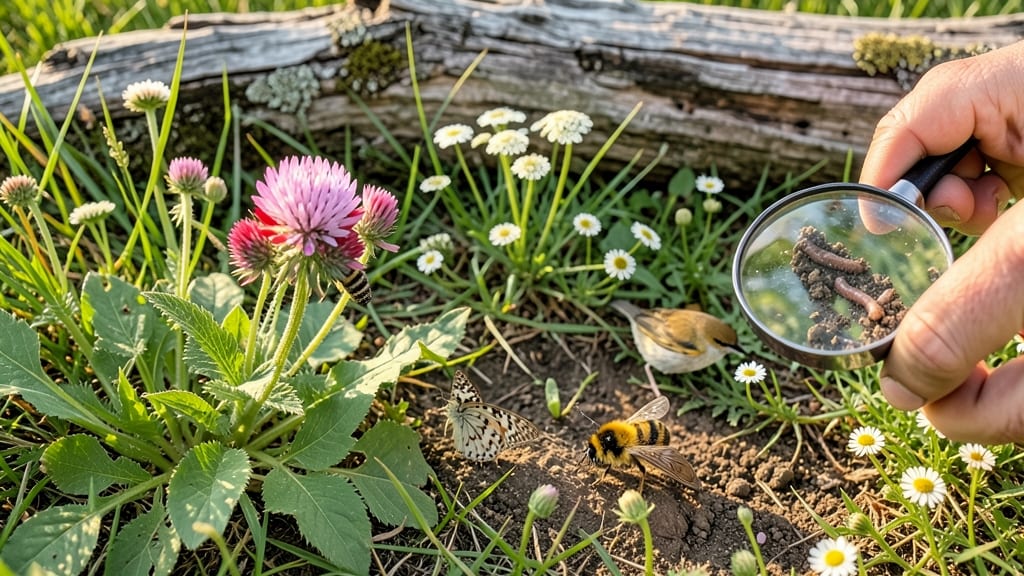
Real lawns with native plants have biodiversity that creates thriving ecosystems by supporting pollinators like bees and butterflies, beneficial insects, and native birds, all while using less water and fewer chemicals than traditional grass lawns.
Native plant lawns act like mini-ecosystems, offering food and shelter for wildlife that monoculture grass can't provide. 🌿 For example, clover flowers attract bees year-round, while milkweed supports monarch butterflies. These plants also develop deep root systems that improve soil health and reduce erosion—something shallow grass roots can't match.
The diversity in native lawns means fewer pests and diseases too, since different species don't all get sick from the same problems.
What's more, these lawns require about 50% less water once established, as native plants have adapted to local climates. You'll also cut down on chemical fertilizers and pesticides, which can harm local wildlife.
The result? A lawn that's not just green but actively working to support your neighborhood's biodiversity—one that's easier to maintain in the long run.
💡 In This Article
- How Native Lawn Plants Boost Local Ecosystems
- Top Native Plants for Biodiversity-Friendly Lawns
How native lawn plants boost local ecosystems
Native plants create biodiversity hotspots by offering specialized resources that monoculture grass simply can't match. Their deep root systems—often extending 3-5 feet deep—stabilize soil and create microhabitats for beneficial insects like ground beetles and predatory wasps.
Unlike grass, which has a shallow root zone (1-2 inches), these roots also pull up nutrients and water from deeper layers, reducing runoff and improving soil structure over time.
The real game-changer is their flowering cycles. Many native plants bloom at different times throughout the growing season, providing continuous nectar and pollen for pollinators. For instance, wild bergamot flowers from June to September, while blue-eyed grass blooms in spring—this staggered timing ensures food sources are always available.
Compare that to grass, which produces minimal pollen and offers no floral resources at all. 🌸 The result? Lawns with native plants can support 20-30% more pollinator species than grass-only lawns in the same area.
Symbiotic relationships further amplify this effect. Native plants often form partnerships with mycorrhizal fungi, which help them absorb nutrients while also creating underground networks that connect different plants. These fungal networks can extend the plant's reach by 100 times its root length, effectively sharing resources across the lawn ecosystem.
Grass, lacking these partnerships, remains isolated and less resilient.
Wildlife benefits extend beyond pollinators. Native plants provide shelter and nesting materials for birds, small mammals, and amphibians. For example, switchgrass offers dense foliage for ground-nesting birds like sparrows, while wildflowers create hiding spots for caterpillars that become food for birds.
Grass lawns, with their uniform height and lack of structure, offer none of these advantages. The diversity of plant species directly translates to more complex food webs and greater ecological stability.
Even the soil becomes more dynamic. Native plants release different chemical compounds through their roots, creating diverse soil microbiomes. Studies show lawns with native plants have 2-3 times more microbial diversity than grass lawns, which supports healthier plant growth and better nutrient cycling.
This biological richness means your lawn becomes a self-sustaining ecosystem rather than a chemically dependent monoculture.
Consider the visual and sensory differences too. A native lawn hums with activity—bees buzzing between flowers, butterflies flitting through the air, and birds chirping in the undergrowth. The textures vary from soft clover to spiky sedges, creating a tactile experience that grass's uniform surface can't match.
The aromas shift seasonally too, from sweet wildflowers in summer to earthy grasses in fall. 🌿 This isn't just about aesthetics; it's about creating a space that actively participates in your local ecosystem.