
Lawn
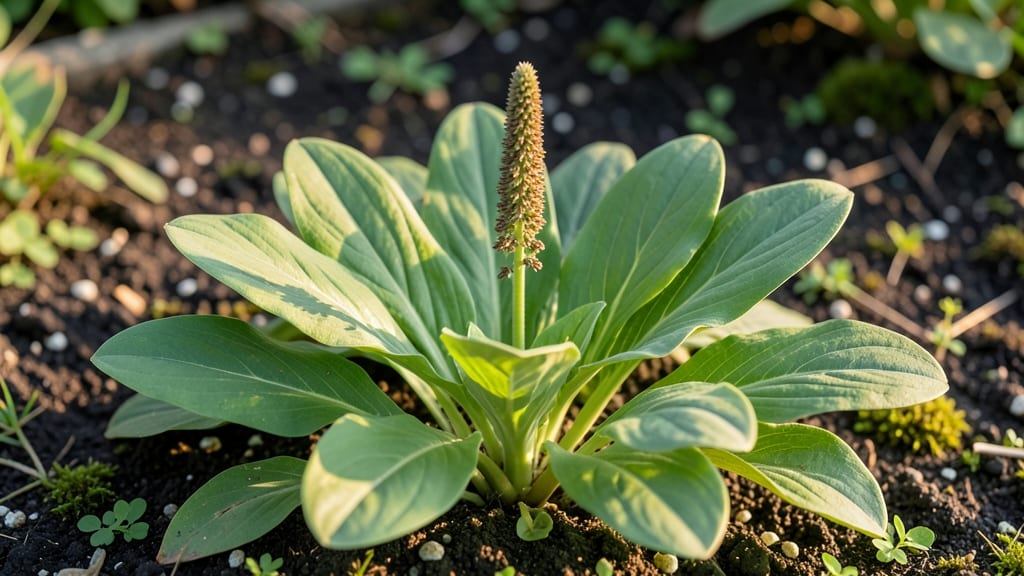
Plantains in your lawn aren’t just weeds—they’re sneaky invaders that turn your yard into a patchwork of broadleaf nuisances. 🌱 I’ve wrestled with them for years, and here’s the truth: they thrive where grass struggles, so the real battle is making your lawn too healthy for them to stick around.
The problem starts with bare spots—plantains love thin grass, so they fill gaps left by foot traffic, drought, or poor soil. Their deep roots and fast spread mean they’ll outcompete grass if you let them.
But the good news? A thick, well-fed lawn crowds them out naturally. The key is timing: hit them in early spring or fall when they’re most vulnerable.
You’ll see results fast—within weeks of consistent care—with fewer weeds and a lawn so dense that plantains can’t get a foothold. The secret isn’t just pulling them (though that helps) but fixing what lets them in: soil, water, and mowing habits. Let’s turn your lawn into a fortress.
Works for any climate, from dry Southern lawns to damp Northern yards. The method scales from small patches to full yards—no special tools needed. Here’s how to reclaim your grass, one season at a time.
Understanding The Root Causes
If your lawn is suddenly dotted with broadleaf plantains—those stubborn, heart-shaped weeds—you’re not alone. These weeds thrive in specific conditions, and understanding why they’re taking over is the first step to reclaiming your grassy sanctuary.
Below, we break down the science-backed reasons behind their persistence, so you can tackle the problem head-on.
Plantains love moisture, and if your lawn stays soggy for long periods, you’re creating the perfect breeding ground. Here’s why: - Poor Drainage: Lawns with heavy clay or poorly aerated soil trap excess water, giving plantains the damp environment they crave. Root zone saturation weakens grass while signaling plantains to sprout and spread via stolons (horizontal runners). - Foot Traffic & Compaction: High foot traffic or heavy machinery compresses soil, reducing oxygen flow to grass roots. Compacted soil also holds moisture longer, mimicking the wet conditions plantains prefer.Actionable fix: Test soil drainage with a simple percolation test (dig a 12-inch hole, fill with water, and time how long it drains—ideal is 4–6 hours). Aerate annually to improve airflow and reduce compaction.
While plantains tolerate partial shade, they thrive in full sun, especially in lawns where grass struggles to compete. Here’s the breakdown: - Grass Stress = Weed Success: Turfgrasses like Kentucky bluegrass or fescue need consistent sunlight to photosynthesize. If your lawn is thin or patchy, plantains fill the gaps by outcompeting grass for sunlight. Their broad leaves capture more light, shading out weaker grass clumps. - Heat Amplification: In hot climates, grass goes dormant or browns, leaving bare spots. Plantains, however, photosynthesize efficiently in heat, using their deep taproots to access moisture while grass wilts.Actionable fix: Overseed bare patches in early fall or spring, and mow grass at 3–4 inches tall to retain moisture and block sunlight from reaching weed seeds.
Neglecting basic lawn care creates openings plantains exploit. Key triggers include: - Irregular Mowing: Tall grass (over 4 inches) casts shade, encouraging plantains to thrive in the cooler, damp conditions beneath. Their seeds germinate easily in disturbed soil, like that created by a dull mower or uneven cuts. - Lack of Fertilization: Grass needs nitrogen to stay dense. Without it, plantains steal nutrients from the soil, further weakening turf. A soil test revealing low nitrogen (<0.2% organic matter) is a red flag. - Pesticide Overuse: Broadleaf herbicides that kill dandelions or clover often miss plantains, which have waxy leaf coatings that repel chemicals.Actionable fix: Mow weekly at the correct height, apply a balanced fertilizer (10-10-10) in early spring, and spot-treat plantains with vinegar-based herbicides (20–30% acetic acid) for organic control.
Plantains don’t just pop up—they strategically invade through seed dispersal and long-term dormancy: - Wind & Animal Hitchhiking: Their seeds are lightweight and travel via wind or cling to shoes, pets, and lawn equipment. A single plant can produce up to 20,000 seeds per season, many of which lie dormant in soil for 5+ years until conditions are ideal. - Disturbed Soil: Digging, aerating, or even raking can trigger dormant seeds to germinate. This is why plantains often appear in newly seeded lawns or after construction.Actionable fix: Remove plantains before they seed (pull by hand or use a hoe), and avoid tilling infected areas. For severe cases, pre-emergent herbicides (like pendimethalin) applied in early spring can prevent germination.
Now that you know the why, the next step is action—stay tuned for targeted solutions to eliminate plantains for good while keeping your lawn lush and weed-free! 🌿✨
Quick Fixes for Unwanted Plantain Growth
Got an overzealous spread of plantains creeping into your lawn? Don’t worry—this hardy, fast-growing ground cover can be managed with the right approach. Below are practical, step-by-step solutions tailored to common causes, from overgrowth to invasive spread. Plus, we’ll share prevention tips to keep your lawn looking intentional (not accidental).
---
Cause: Plantains thrive in sunny, well-drained spots, and if left unchecked, they’ll take over where you’d rather have grass or other plants.
Fix: 🔥 Manual Removal (Best for Small Patches) 1. Pull by Hand – Wait for a rainy day when the soil is soft. Grasp the plant at the base and tug firmly. The roots are shallow, so they should come out easily. 2. Use a Weeding Tool – A dandelion digger or hori-hori knife works well for stubborn roots. Twist to loosen before pulling. 3. Check for Regrowth – Plantains can sprout from tiny root fragments. Re-inspect the area after 2–3 weeks and pull any new shoots.
🍳 Mulching to Suppress Growth - Spread thick mulch (3–4 inches) over areas where you don’t want plantains. They’ll struggle to push through dense mulch, while grass or flowers will thrive. - Pro Tip: Use cardboard or landscape fabric under mulch for extra suppression in high-traffic zones.
---
Cause: If your plantain hedge is doing its job too well and encroaching on walkways or garden beds, it’s time to contain the spread.
Fix: 👨🍳 Edging for Control 1. Install Physical Barriers – Bury a landscape edging strip (metal, plastic, or stone) 4–6 inches deep around the perimeter of your plantain screen. This blocks underground runners. 2. Create a "No-Man’s Land" – Plant a competitive ground cover (like creeping thyme or clover) in a 12-inch border around the plantains. These plants will outcompete the plantains for space.
⏰ Strategic Pruning - Trim back aggressive stems that creep outward in early spring or late fall. Use sharp shears to cut at a 45-degree angle to encourage bushier growth inward. - Pro Tip: If plantains are spreading into flower beds, hand-pull the runners before they root.
---
Cause: Yellowing leaves, wilting, or stunted growth? Pests (like slugs or aphids) or fungal issues (like leaf spot) can stress plantains, making them more vulnerable to spread.
Fix: 🔪 Targeted Pest Control - Slugs/Snails: Set out beer traps (bury a shallow dish filled with beer) or sprinkle diatomaceous earth around the base. - Aphids/Spider Mites: Spray with neem oil or insecticidal soap every 5–7 days until pests are gone. - Fungal Issues: Improve airflow with pruning and apply copper fungicide if spots appear.
🌡️ Boost Plant Health - Fertilize Lightly – Use a balanced, slow-release fertilizer (10-10-10) in early spring to encourage strong, dense growth that resists pests. - Water Deeply but Less Often – Plantains hate soggy roots. Water 1–2 times per week (deep soak) instead of daily shallow watering.
---
Want to keep plantains where you want them without constant upkeep? Try these low-effort strategies:
- 💡 Plant Competitors: Mix in clover, creeping jenny, or moss near plantain borders—they’ll naturally crowd out unwanted spread. - ✨ Mow Strategically: If plantains pop up in lawn areas, mow high (3–4 inches) to shade out seedlings before they take hold. - 🎯 Solarize Problem Spots: In hot climates, cover unwanted plantains with clear plastic sheeting for 4–6 weeks to bake out roots (best in summer). - 🔥 Divide and Conquer: If your plantain screen is healthy, transplant excess runners to other areas of your yard instead of letting them wander.
--- Final Thought: Plantains are hardy survivors, but with these methods, you’ll keep them cooperative—thriving where you want them and staying out of your lawn’s way. Start with one fix, monitor progress, and adjust as needed! 🌿
Frequently asked questions about lawn plantains
Are plantains harmful to my lawn?
Not directly, but they compete aggressively with grass for nutrients, water, and sunlight. Their deep roots and fast spread can weaken your lawn's health over time, especially if they take over large areas. The real issue is their persistence—they'll return if not properly managed.
What's the best time of year to remove plantains?
Early spring (March-April) or fall (September-October) are ideal times. This is when plantains are actively growing but haven't yet produced seeds. Removing them during these periods prevents new seed germination and gives your grass a better chance to recover.
Will vinegar really kill plantains?
Yes, but you need the right concentration and method. Use a solution of 20-30% acetic acid vinegar (available at garden centers) applied directly to the leaves. For best results, spray on a sunny day when temperatures are above 50°F. The acid breaks down the plant's cell structure, killing it within 24-48 hours.
How do I prevent plantains from coming back?
Focus on improving your lawn's health: overseed bare patches in early fall, maintain proper mowing height (3-4 inches), and fertilize regularly. Aerate compacted soil annually and water deeply but infrequently to discourage plantain growth. A thick, healthy lawn naturally crowds out weeds.
Are there natural predators that control plantains?
While plantains don't have specific natural predators, they're susceptible to certain pests like slugs and aphids that can weaken them. However, these pests often harm your lawn too. The most effective natural control is maintaining a dense turf through proper lawn care practices that make your grass more competitive.