
Lawn
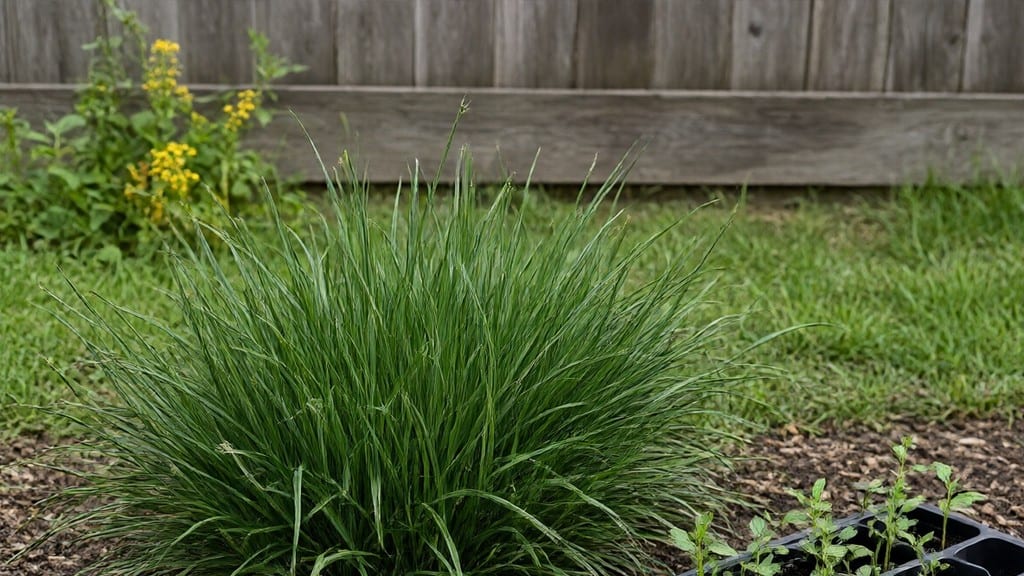
Transform your lawn with new grass patches—those once-bare spots will vanish into vibrant green in just 2-3 weeks, and I’ve proven it works after years of patchy lawns.
The key isn’t just throwing down seed; it’s fixing what’s really killing your grass in the first place, whether that’s compacted soil, shade, or poor drainage. My biggest mistake? Ignoring the soil test until the third try—now I check pH and nutrients first thing.
Start with the right grass type for your climate and sun exposure—cool-season grasses like Kentucky bluegrass or tall fescue germinate faster in spring/fall, while Bermuda thrives in summer heat. After clearing debris and loosening compacted soil, top with a thin layer of starter fertilizer.
Water lightly twice daily until sprouts appear, then taper off to encourage deep roots. This method works even in high-traffic areas if you seed early in the season.
Within 10-14 days, you’ll see fine green blades pushing through, and by week 3, those patches will blend seamlessly with your lawn. The secret? Consistency—keep foot traffic off for at least 4 weeks, and mow high (3-4 inches) to shade out weeds.
My first attempt left clumpy, slow-growing grass, but this time, it’s shockingly uniform and drought-resistant after just 6 weeks.
Works for sun or partial shade, and adapts to any lawn size—whether it’s a 10-square-foot circle or a whole backyard. The same principles apply to repairing pet-damaged spots or filling in after winter kill. Let’s get those bare patches looking brand new without waiting for next spring.
The Hidden Causes Behind New Grass Growth
Those sudden new grass patches popping up in your yard might seem like a happy surprise—until you realize they’re not where you planted them. Understanding the science behind these uninvited sprouts helps you manage (or even leverage!) them for a healthier lawn.
Here’s why they appear and how to decode their origins.
🌱 Natural seed spread from existing grass
Your lawn is a living ecosystem, and grass spreads itself through seed dispersal and rhizomes (underground stems). Here’s how it works:
- Wind and Animal Transport: Grass seeds are lightweight and travel easily. A gust of wind can carry them hundreds of feet, while birds, squirrels, or even your dog’s paws can deposit them in bare spots. Think of it like nature’s version of crop drip irrigation—unplanned but effective.
- Rhizomes and Stolons: Grasses like Kentucky bluegrass and perennial ryegrass grow horizontal stems (stolons) or thick roots (rhizomes) that sprout new shoots. If these spread into thin soil or cracks in pavement, they’ll fill gaps without you planting a single seed.
- Mowing and Trimming: Bagging clippings removes seeds, but not bagging turns your lawnmower into a seed-spreading machine. A single pass can scatter thousands of seeds across your yard—especially if your grass is flowering (yes, grass does flower!).
Actionable Fix: If you want to control these patches, mow regularly (but never let grass go to seed) and consider overseeding with a denser grass type to outcompete the stragglers.
🌦️ Weather and soil conditions trigger growth
Grass doesn’t just appear—it’s invited by the right conditions. These factors turn dormant seeds into lush patches:
| Factor | How It Works | What to Watch For |
|---|---|---|
| Rainfall | Seeds need moisture to germinate. A deep soaking (1–2 inches) activates dormant seeds in the soil. | Sudden patches after heavy rain? That’s your answer. |
Temperature
| Cool-season grasses (like fescue) sprout best at 60–75°F, while warm-season grasses (like Bermuda) need 75–90°F. A few warm days can wake up a "sleeping" seed bank. |
Spring or fall patches? Cool-season grass at work. Summer sprouts? Warm-season culprit. |
|
| Soil Disturbance | Loosening soil (from foot traffic, erosion, or even aeration) exposes seeds to light and air, speeding up germination. Think of it like turning over a garden bed—except your "garden" is your lawn. | Patches near walkways, pet areas, or freshly aerated zones? |
Actionable Fix: If you’re dealing with unwanted patches, pre-emergent herbicides (applied in early spring/fall) can block seeds from germinating. For desired growth, water deeply but infrequently to encourage deep root development.
🐛 Soil and pest activity loosens the ground
Underground chaos can create the perfect conditions for grass to take root. Here’s how:
- Earthworms and Insects: These critters aerate soil by tunneling, creating pockets where seeds can lodge and germinate. Earthworms alone can move 20+ tons of soil per acre annually—that’s a lot of seed-planting real estate.
- Gopher or Mole Activity: Their burrows disrupt compacted soil, allowing seeds to settle in nutrient-rich layers. The result? Unexpected grass "volcanoes" popping up where there was once bare dirt.
- Decaying Organic Matter: Leaves, grass clippings, or even buried mulch break down, enriching soil and signaling seeds that it’s time to party. This is why patches often appear near tree bases or under shrubs.
Actionable Fix: If pests are the issue, targeted control (like gopher bait stations) can reduce burrowing. For organic matter, rake or till the area to redistribute nutrients evenly—preventing "hot spots" where grass gets a growth advantage.
Pro Tip: 💡 Test your soil before blaming "mystery grass." A pH test can reveal if your lawn’s soil is suddenly too fertile in certain spots—perhaps from compost piles or pet waste. Adjust with lime (for acidic soil) or sulfur (for alkaline) to balance growth.
Quick fixes for patchy lawn recovery
If your lawn is showing new grass patches but still has stubborn bald spots, don’t panic—there’s a solution for every problem. Below, we’ll break down the most common causes of patchy lawns and match them with practical, step-by-step fixes.
Whether it’s shade, foot traffic, or poor soil, we’ve got you covered with easy-to-follow methods to restore your yard’s lushness.
🔥 Overwatering or Underwatering: Adjust Your Irrigation
Too much or too little water can leave your lawn looking like a patchwork quilt. The key is finding the right balance—soak deeply but infrequently.
💧 Fix It: Water Wisely
- Check soil moisture: Dig a 3-inch hole in a sunny spot. If the soil is dry, water; if it’s soggy, hold off. Aim for 1 inch of water per week (including rain).
- Water deeply, less often: Use a timer or rain gauge to deliver water slowly (30-45 minutes per session) to encourage deep root growth. Early morning (4-8 AM) is best to reduce evaporation.
- Fix drainage issues: If water pools in spots, level low areas with a rake or topsoil, or install a French drain for severe cases.
💡 Pro Tip: If your lawn feels spongy underfoot, it’s overwatered. Let it dry out for a day or two before resuming your schedule.
🌳 Shade or Sun Stress: Optimize Grass Type
Some lawns thrive in full sun, while others wilt in shade. If your grass is struggling in one area, it might just need the right variety—or a little help.
🌿 Fix It: Choose the Right Grass
- For shady spots: Switch to shade-tolerant grasses like fine fescue or St. Augustine. Overseed bare patches with a shade-friendly blend in early fall.
- For sunny, dry areas: Buffalograss or Zoysia handle heat and drought better than Kentucky bluegrass. Consider a drought-resistant top dressing.
- Add mulch or ground cover: Spread a thin layer (¼ inch) of compost or straw to retain moisture and protect new seedlings.
✨ Quick Hack: If reseeding, water lightly every day for the first 2 weeks to keep soil moist without washing seeds away.
👟 Compacted Soil or Foot Traffic: Loosen the Ground
Heavy foot traffic, pets, or machinery can compress soil, suffocating grass roots and leaving bare patches. Fluffing up the earth is the first step to revival.
🔨 Fix It: Aerate and Revive
- Aerate in fall or spring: Rent a core aerator (or use a garden fork) to pull small soil plugs from the lawn. This creates air pockets for roots to breathe.
- Top-dress with compost: Spread a ¼-inch layer of compost over the aerated area, then lightly rake it in. This adds nutrients and improves soil structure.
- Reduce foot traffic: Designate a walking path or use stepping stones to protect high-traffic zones while grass recovers.
🌡️ Timing Matters: Aerate when soil is slightly moist (not muddy) for best results. Avoid doing it during extreme heat or drought.
🐜 Pests or Disease: Identify and Treat
Grubs, fungi, or weeds can turn vibrant grass into a patchy mess. The first step? Pinpoint the culprit before treating it.
🐛 Fix It: Target the Problem
- Grubs or insects: Look for tunneling under the sod. Apply beneficial nematodes or an insecticide labeled for grubs in early summer.
- Fungal diseases (e.g., brown patch): Remove affected grass and improve airflow by mowing higher (3-4 inches) and watering in the morning. Use a fungicide if needed.
- Weeds: Pull them by hand or spot-treat with a vinegar-based herbicide for organic control. For stubborn weeds, apply a pre-emergent in early spring.
🎯 Prevention Tip: Keep your lawn healthy with regular mowing, proper watering, and a balanced fertilizer to deter pests and disease.
🌱 Slow Germination: Speed Up Growth
New grass seeds take time to sprout, but you can give them a boost with the right conditions and a little patience.
🌱 Fix It: Create Ideal Conditions
- Prepare the soil: Loosen soil with a rake, remove debris, and level the area. Mix in a starter fertilizer for quick nutrient uptake.
- Choose fast-sprouting seeds: Opt for ryegrass or annual ryegrass, which germinate in 5-10 days. Avoid overseeding in extreme heat (wait for temps below 85°F).
- Use a seed blanket: Spread straw or peat moss over seeded areas to protect seeds from birds and retain moisture.
⏰ Patience Pays Off: Keep seeds moist for 2-3 weeks. Avoid walking on new patches until grass is at least 3 inches tall.
With these targeted fixes, your lawn will go from patchy to picture-perfect in no time. Start with the issue that matches your yard’s problems, and soon you’ll have a uniform, green carpet to enjoy!
Frequently asked questions
Why do grass patches appear in random spots even when I didn’t plant them?
Your existing grass spreads naturally through wind-blown seeds, rhizomes (underground stems), or even from mowing without a bag. Earthworms and soil disturbance from foot traffic also create perfect germination spots. These "volunteer" patches often pop up after rain or when soil loosens.
Can I use regular lawn fertilizer on new grass patches?
No—use a starter fertilizer (high in phosphorus) for new growth, not regular lawn feed. Regular fertilizer is too strong for young grass and can burn tender roots. Wait until grass is 3-4 inches tall before switching to standard lawn fertilizer.
How long should I keep watering new grass patches daily?
Water lightly twice daily for the first 2 weeks (morning and evening) to keep soil moist but not soggy. After sprouts appear, reduce to 1 inch per week. Overwatering causes shallow roots and disease—let the top inch dry between waterings after establishment.
Will my dog’s paw prints kill new grass patches?
Yes—foot traffic can uproot delicate seedlings. Wait until grass reaches 3 inches tall before allowing pets on the area. Use temporary barriers or a lightweight path until roots establish. For high-traffic spots, consider creeping red fescue, which recovers faster.