
Lawn
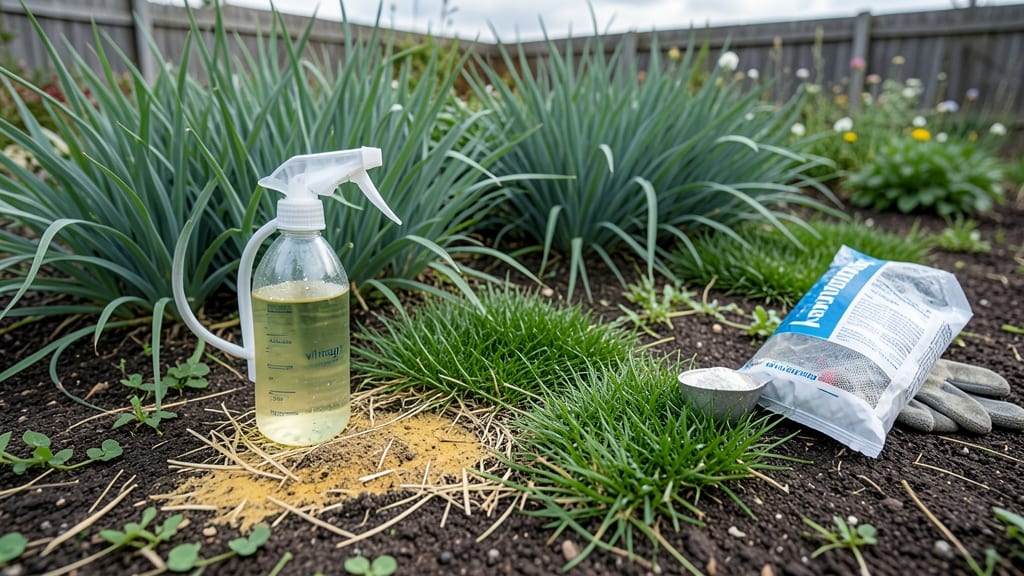
Neutralizing dog urine on your lawn starts with a simple, fast-acting blend that saves your grass—and your nose. 🌱 Honestly, I’ve watched patches of lawn turn brown and smell like a kennel after just one season of unchecked dog spots.
The vinegar-baking soda mix isn’t just a quick fix; it’s the secret weapon for restoring your lawn’s health without harsh chemicals. The science is straightforward: dog urine is acidic, and that acidity burns grass while attracting more dogs to the same spot.
A 1:1 ratio of white vinegar to water, followed by a sprinkle of baking soda, balances the pH in minutes. You’ll see the difference immediately—no more yellow circles, no lingering odor, and grass that bounces back within a week.
What you’ll end up with is a lawn that looks as good as it smells, even after your pup does their business. The key is acting fast: treat spots within 24 hours for the best results, and your grass will thank you with vibrant green growth all season.
This method works for any yard size, from small patches to entire backyards. And the best part? It’s pet-safe once dry, so you can let your dog roam freely after treatment. Let’s get that lawn back to its best!
The Science Behind Dog Urine Damage
Dog urine might seem harmless, but it’s actually a sneaky culprit behind yellowed grass and stubborn odors. The damage happens due to a mix of chemical reactions and natural processes. Let’s break down the key reasons your lawn suffers—and why it’s harder to fix than you think.
When dogs pee, their urine contains high levels of ammonia and nitrogen, which are byproducts of protein metabolism. These compounds are initially in a concentrated, alkaline form—think of it like a tiny chemical bomb waiting to explode.
- Ammonia burn: The high pH (alkaline) of fresh urine can scorch grass blades on contact, causing them to turn brown or crispy. This isn’t just discoloration—it’s cell damage.
- Nitrogen shock: While nitrogen is a fertilizer, the sudden spike in concentration (often 10x higher than soil can handle) overwhelms the grass. Instead of nourishing it, the excess nitrogen burns roots and disrupts nutrient uptake.
- Soil imbalance: Over time, repeated urine deposits alter the soil’s pH, making it harder for grass to absorb essential minerals like phosphorus and potassium.
Pro tip: 💡 Dilution is key—watering immediately after your dog goes can help spread the urine and reduce concentration, but it’s not a long-term fix.
Dogs’ urine isn’t just liquid—it’s packed with uric acid crystals, a waste product from breaking down proteins. These crystals don’t dissolve easily and can accumulate in the soil, creating a hostile environment for grass roots.
- Physical blockage: Uric acid crystals form a crust-like layer on the soil surface, preventing water and air from reaching the roots. This leads to smothered grass that struggles to grow.
- Microbe disruption: Beneficial soil bacteria and fungi, which help break down organic matter, are repelled by the high salt and acidity. Without these microbes, nutrients get locked away, and the soil becomes infertile.
- Compaction from paw prints: Dogs don’t just pee—they trample the same spots repeatedly. Their paws compress the soil, reducing drainage and aeration, which strangles grass roots.
Fun fact: 🌡️ Uric acid crystals can persist in soil for months, which is why some lawns never fully recover without intervention.
That distinctive dog urine smell isn’t just unpleasant—it’s a sign of bacterial activity gone wrong. When urine sits on your lawn, it attracts bacteria that break down the ammonia and uric acid. But here’s the catch: their byproducts are what create the lingering odor and further harm your grass.
- Volatile organic compounds (VOCs): As bacteria decompose urine, they release sulfur compounds (like hydrogen sulfide) and other VOCs. These aren’t just smelly—they can attract more dogs to pee in the same spot, creating a feedback loop of damage.
- Soil acidification: The breakdown process lowers the soil’s pH, making it more acidic. Grass prefers a neutral pH (6.0–7.0), but urine can push it toward 4.0–5.0, which is toxic to most lawn types.
- Nutrient leaching: The acidic environment causes essential nutrients (like magnesium and calcium) to wash away, leaving your lawn starved and weak.
Warning: ⚠️ If you’ve ever sprayed vinegar on urine and the smell got worse, it’s because vinegar (acetic acid) reacts with ammonia, creating ethyl acetate—a compound that temporarily masks the odor but doesn’t neutralize the underlying damage.
Understanding these three core causes—ammonia burn, uric acid buildup, and bacterial breakdown—explains why dog urine is such a persistent problem. But don’t worry: knowing the science is the first step to fixing it. The next section will show you how to reverse the damage with a simple, effective blend.
Quick Fixes for Dog Urine Damage
Dog urine can turn your once-lush lawn into a patchy, smelly eyesore—but the good news is that with the right approach, you can neutralize the odor, stop the burn, and restore your grass.
Below, we break down solutions by cause, so you can tackle the problem head-on. Whether it’s fresh accidents or lingering damage, these methods are practical, budget-friendly, and designed to work fast.
If you catch your dog mid-pee or notice a fresh puddle, time is your ally. The longer urine sits, the deeper it penetrates the soil and the harder it is to neutralize. Here’s how to handle it:
✨ Step 1: Dilute the Urine Immediately
- 💦 Rinse with water: Use a garden hose to dilute the urine and wash it into the soil. This prevents high concentrations from burning the grass.
- 🌧️ Water deeply: Soak the area for about 10–15 seconds to help flush out urea (the compound that causes damage).
🍳 Step 2: Neutralize with a Vinegar-Baking Soda Blend
This classic combo is a powerhouse for odor and acidity. Mix:
- 1 part white vinegar
- 1 part water
- 1 tablespoon baking soda per quart of solution
How to apply:
- Pour the mixture over the wet spot (after rinsing).
- Let it sit for 5–10 minutes, then rinse again with water.
- Pro tip: 💡 For extra potency, add a few drops of essential oil (like lavender or tea tree) to mask any lingering smell.
🌱 Step 3: Replenish the Soil
Dog urine depletes nitrogen in the soil, which can stunt grass growth. After treating:
- Sprinkle compost or a slow-release fertilizer over the area to restore nutrients.
- Water lightly to help absorption.
If the damage has already set in (brown or yellow patches), don’t panic—your lawn can bounce back with a little TLC.
🔪 Step 1: Rake and Aerate
- 🌿 Loosen the soil: Use a garden rake to gently scratch the surface of the patch. This helps new grass seeds make contact with the soil.
- 💨 Aerate if compacted: If the area feels hard, rent an aerator or use a pitchfork to create small holes (about 3–4 inches deep).
👨🍳 Step 2: Overseed the Area
Choose a dog-friendly grass seed (like tall fescue or Kentucky bluegrass) that’s resilient to urine damage.
- Spread grass seed evenly over the patch.
- Lightly cover with straw or peat moss (about ¼ inch) to protect seeds.
- Water daily for the first 2 weeks, keeping the soil moist but not soggy.
🌡️ Step 3: Monitor and Maintain
- Avoid letting your dog pee on the same spot again (more on prevention below!).
- Apply a balanced fertilizer (like 10-10-10) once the new grass is established (after 4–6 weeks).
- ✨ Pro tip: If the patch is large, consider sod patches for faster results—just water them well for the first 2 weeks.
The best way to keep your lawn lush is to prevent urine damage in the first place. Try these strategies:
📊 Train Your Dog to Pee in Designated Spots
- 🐕 Use a cue word: Train your dog to pee on command (e.g., “go potty”) in a specific area, like a gravel patch or mulch bed.
- 🌿 Create a “doggy lawn”: Designate a small section of your yard with clover or moss, which are more urine-resistant than grass.
💪 Increase Water Intake for Your Dog
- 💦 Hydration helps dilute urine: Add fresh water bowls in multiple spots or try a dog water fountain to encourage drinking.
- 🍎 Diet tweaks: Feed low-magnesium foods (like rice or oats) to reduce urine acidity.
🌱 Boost Your Lawn’s Resilience
- 🌱 Choose tough grass: Opt for deep-rooted grasses (like tall fescue) that recover better from urine damage.
- 🌿 Mow high: Keep grass at 3–4 inches tall—taller grass shades roots, reducing burn risk.
- 💡 Pro tip: 🌡️ Test your soil—if it’s already nutrient-poor, fertilize regularly to help grass bounce back faster.
If your lawn has large dead patches or the urine smell persists despite treatment, consider:
- 🌱 Professional lawn repair services for severe damage.
- 🍄 Soil testing to check for pH or nutrient imbalances.
- 🐝 Beneficial microbes: Products like mycorrhizal fungi can help grass roots recover faster.
With these steps, you’ll not only neutralize dog urine on your lawn but also create a healthier, more resilient yard for your pup to enjoy. The key? Act fast, treat thoroughly, and prevent future damage—your grass (and your nose) will thank you!
Frequently asked questions
Why does my lawn still smell after using vinegar and baking soda?
Even after treatment, lingering odors often mean uric acid crystals remain deep in the soil. Try adding 1/4 cup of hydrogen peroxide (3%) per gallon of water to your spray mix—it breaks down organic compounds faster. For stubborn smells, sprinkle enzymatic cleaner granules (like those for pet accidents) over the area and water lightly.
Can I use commercial pet urine neutralizers on my lawn?
Yes, but check for enzyme-based formulas specifically designed for outdoor use. These break down uric acid more thoroughly than vinegar alone. Look for products with active microbial cultures—they're safer for pets once dry and work better for large areas. Just avoid anything with bleach or strong chemicals that can harm grass roots.
How long does it take for grass to recover after urine damage?
With immediate treatment, new grass growth appears in 7-10 days, but full recovery takes 4-6 weeks. For severe burns, overseeding with tall fescue (which tolerates urine better) speeds up recovery. Avoid letting your dog use the same spot during this time—redirect them to a gravel area or mulch bed until the grass establishes.
Will my dog's diet really affect urine damage?
Dogs on high-protein diets produce more concentrated urine. Switching to low-magnesium foods (like rice or oats) and increasing water intake can reduce acidity by up to 30%. Try adding cucumber slices or watermelon to their water bowl—many dogs love it and it helps dilute urine naturally.
Can I use this method on artificial turf?
No, artificial turf requires a different approach. The polyethylene fibers trap odors differently, and vinegar can degrade the plastic over time. Instead, use pet-safe enzymatic cleaners designed for synthetic surfaces. For prevention, sprinkle baking soda lightly over the area after your dog uses it—it absorbs moisture and neutralizes odors without damaging the turf.