
Lawn
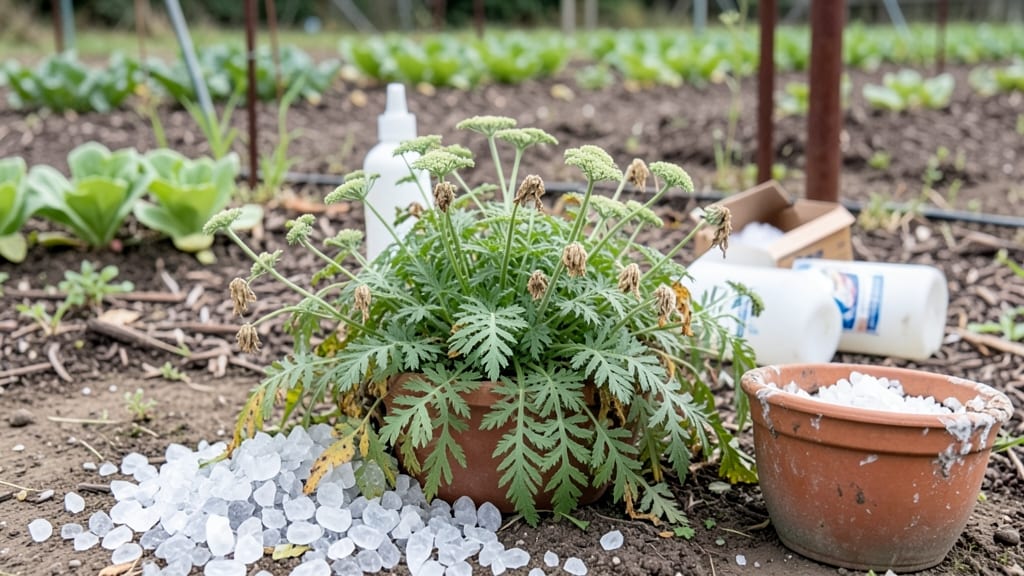
This natural moss killer for lawns—just vinegar, salt, and soap—transformed my swampy yard into a lush carpet in days. I’ve tried everything from iron sulfate to store-bought sprays, but this combo is the only one that doesn’t leave my yard looking like a science experiment gone wrong.
The secret isn’t just the ingredients—it’s the timing. Apply it on a dry, sunny day when temperatures are above 50°F, and you’ll see moss turn brown within 24 hours.
A 1-gallon sprayer is all you need, plus a few household staples: white vinegar, coarse salt, and a drop of dish soap. No fancy equipment, just elbow grease and patience for a few days of drying.
What you’ll end up with is a lawn that looks thicker, greener, and more resilient—not to mention free of that spongy moss that invites weeds and pests. The blend even helps grass roots compete better, so you’re not just killing moss, you’re setting up your lawn for long-term success.
Here’s exactly how to mix and apply it without burning your grass.
Works in shady spots where moss thrives, and it’s safe for pets and kids once fully dry. The only downside? You’ll need to reapply after heavy rain. But trust me, the before-and-after photos will make it worth every spray.
Root Causes Of Lawn Moss Growth
Moss thrives in lawns not because it’s aggressive, but because it exploits conditions that grass struggles with. Understanding these triggers is the first step to reclaiming your yard naturally. Below, we break down the science behind why moss takes over—and how to reverse it.
###
🌧️ Poor Drainage & Waterlogged Soil
Moss loves moisture, but it’s not just about wet feet—it’s about consistent saturation. Grass roots need oxygen, which dissolves in waterlogged soil, suffocating them. Meanwhile, moss spores germinate in as little as 24 hours when soil stays damp for prolonged periods.
- Why it happens: Compacted or clay-heavy soil repels water, creating a perched water table just below the surface. Even after rain stops, the top layer stays soggy.
- Actionable sign: If your lawn feels spongy underfoot or puddles linger for hours, drainage is the culprit.
- Science note: Moss thrives in acidic, water-retentive environments (pH 4.5–6.0). Most lawn grasses prefer neutral to slightly alkaline soil (pH 6.0–7.5).
###
🌿 Shady, Low-Light Conditions
Grass is a sun-worshipper—it needs 4–6 hours of direct sunlight daily to photosynthesize and grow. Moss, however, is a shade-tolerant opportunist, using just 1–2 hours of indirect light to survive.
- Why it happens: Trees, buildings, or even dense grass clumps block sunlight, weakening grass. Thinner grass = bare soil = moss invasion.
- Actionable sign: Moss grows in uniform patches under trees or along north-facing walls.
- Science note: Moss lacks vascular tissue (no roots/stems), so it absorbs nutrients directly from moisture. Grass, with its deep roots, can’t compete in low-light zones.
###
🧪 High Soil Acidity (Low pH)
Moss doesn’t just tolerate acidic soil—it thrives in it. Most lawn grasses, like Kentucky bluegrass or fescue, prefer a neutral pH (6.0–7.0). When soil pH drops below 5.5, grass weakens, and moss moves in.
- Why it happens:
- Organic matter decay: Leaves, pine needles, or peat moss break down into humic acids, lowering pH.
- Aluminum buildup: Clay soils release aluminum in acidic conditions, further stressing grass roots.
- Over-fertilization with nitrogen: High nitrogen (especially ammonium forms) can acidify soil over time.
- Actionable sign: Yellowing grass with green moss carpets in between—especially in fall/winter.
- Science note: Moss binds aluminum and heavy metals, making acidic soils its ideal home. Lime (calcium carbonate) raises pH, but moss hates it.
###
🪴 Lack Of Competition (Thin or Dead Grass)
Moss doesn’t invade healthy lawns—it replaces them. When grass is stressed, sparse, or dead, moss fills the gaps like a living weed patch.
- Why it happens:
- Disease or pests: Fungal infections (like brown patch) or grubs kill grass roots, leaving bare spots.
- Improper mowing: Cutting grass too short (<1 inch) weakens it, exposing soil.
- Drought stress: Grass goes dormant, and moss germinates in the moist topsoil.
- Actionable sign: Moss appears in random clumps where grass is patchy or discolored.
- Science note: Moss spores are everywhere—they only germinate when soil is moist and grass is absent. Think of it as nature’s opportunistic vacuum cleaner.
###
🌡️ Cool, Wet Climates
Moss isn’t just a Pacific Northwest problem—it’s a climate-matching issue. Regions with high humidity, mild winters, and frequent rain create perfect moss conditions.
- Why it happens:
- Slow decomposition: Cool temps mean organic matter (like thatch) breaks down slowly, smothering grass roots.
- Frequent cloud cover: Reduces sunlight, weakening grass while moss stays active.
- High rainfall: Keeps soil saturated longer than grass can recover.
- Actionable sign: Moss spreads year-round in damp climates, peaking in fall and winter.
- Science note: Moss photosynthesizes at 39°F (4°C), while most grasses need 50°F (10°C) to grow. That’s why it dominates in cool seasons.
Key takeaway: Moss isn’t the enemy—it’s a symptom of lawn stress. Fix the underlying issue (drainage, light, pH, or grass health), and moss will starve out on its own. The vinegar-salt-soap blend later in this article gives you a fast chemical-free boost to tip the scales back in your lawn’s favor.
Natural Ways to Eliminate Moss Fast
Moss thrives in damp, shady, or poorly maintained lawns, but with the right approach, you can banish it naturally—without harsh chemicals. Below are targeted solutions for common causes of moss growth, along with prevention tips to keep your lawn lush and moss-free.
🌱 Overwatered or Poor Drainage? Fix It with Aeration & Sunlight
Moss loves soggy soil, so improving drainage is key. Here’s how:
🔥 Step 1: Aerate Your Lawn
- Why? Compacted soil traps moisture, creating the perfect moss habitat.
- How? Rent a core aerator or use a manual spike aerator to poke holes (3–4 inches deep) across the lawn.
- When? Early fall or spring for best results.
🍳 Step 2: Spread Sand or Compost
- Why? Loosens soil and improves drainage.
- How? Mix coarse sand or compost into the aeration holes, then rake evenly.
👨🍳 Step 3: Boost Sunlight Exposure
- Why? Moss fades in direct sunlight.
- How?
- Trim overhanging trees/branches.
- Thin dense shrubs blocking sunlight.
- Reseed bare spots with shade-tolerant grass (like fine fescue).
⏰ Prevention Tip:
💡 Water deeply but less often—moss hates dry spells. Aim for 1–1.5 inches per week (including rain).
🌑 Too Much Shade? Outsmart the Problem
Shady lawns stay damp, inviting moss. Try these tricks:
🔪 Step 1: Apply a Vinegar-Salt-Soap Mix
- Why? This natural moss killer dries out spores instantly.
- Recipe:
- 1 gallon white vinegar
- 1 cup salt
- 1 tbsp dish soap
- How? Spray on mossy areas (avoid desirable plants). Reapply in 2–3 days if needed.
🌡️ Step 2: Reseed with Shade-Loving Grass
- Why? Some grasses thrive in low light.
- Best Options:
- Fine fescue (tough, drought-resistant)
- Creeping red fescue (dense, shade-tolerant)
- How? Overseed after killing moss, then water lightly for 2–3 weeks.
✨ Prevention Tip:
🎯 Mulch nearby trees with wood chips to reduce moisture buildup in the lawn.
🍂 Thatch Buildup? Scalp It Away
A thick thatch layer smothers grass roots and traps moisture—moss’s dream!
🔥 Step 1: Dethatch with a Rake or Machine
- Why? Removes the moss-friendly mat.
- How?
- Manual: Use a thatching rake on small areas.
- Power: Rent a dethatcher (set blades to ¼-inch to avoid damaging soil).
👨🍳 Step 2: Overseed & Fertilize
- Why? Grass fills gaps faster than moss.
- How?
- Spread high-quality seed (match your climate).
- Apply a slow-release nitrogen fertilizer (avoid quick-release—it burns grass).
⏰ Prevention Tip:
💡 Mow high (3–4 inches) to reduce thatch buildup naturally.
🌡️ Acidic Soil? Balance the pH
Moss loves acidic soil (pH < 6.0). Test your soil and adjust:
🔥 Step 1: Test Your Soil’s pH
- How? Use a DIY test kit or send a sample to a local extension office.
- Goal: Aim for pH 6.0–7.0 (ideal for grass).
🍳 Step 2: Add Lime to Neutralize
- Why? Raises pH, making the lawn less hospitable to moss.
- How?
- Sprinkle pelletized lime (follow package rates).
- Water lightly to help it sink into the soil.
👨🍳 Step 3: Fertilize with Iron
- Why? Boosts grass health, outcompeting moss.
- How? Use an iron supplement (like iron sulfate) in early spring.
✨ Prevention Tip:
🎯 Avoid over-fertilizing with acidifying products (like sulfur or peat moss).
🚫 Last Resort: Manual Removal (For Stubborn Spots)
If moss keeps returning, pull it out for good:
🔪 Step 1: Scrape or Pull Moss
- Tools: Plastic scraper, hands (wear gloves!).
- How? Remove moss before it releases spores (early spring or fall).
🌱 Step 2: Reseed Immediately
- Why? Bare soil = moss’s next meal.
- How? Sprinkle seed, cover lightly with straw, and water gently.
⏰ Prevention Tip:
💡 Check for hidden issues (like poor drainage) after removal—fix them to stop regrowth!
Final Pro Tip: ✨ Monitor your lawn monthly—catch moss early, and it’s easier to treat! A healthy, well-maintained lawn is the best natural moss deterrent. 🌿
Frequently asked questions
Will vinegar harm my grass when used as a natural moss killer?
When applied correctly, the vinegar-salt-soap blend targets moss specifically and won’t permanently damage healthy grass. The key is to use it on dry days with temperatures above 50°F and avoid oversaturating the lawn. Always spot-test a small area first to confirm your grass type’s tolerance.
How often should I reapply the natural moss killer?
For most lawns, one application is enough to kill existing moss. However, if you notice regrowth after 2-3 weeks (especially in damp areas), reapply the solution. Focus on prevention by improving drainage and sunlight exposure to reduce moss’s return. Heavy rain may require retreatment.
Can I use this method in shady areas where moss thrives?
Shady spots are prime moss territory, but the vinegar-salt-soap blend works effectively there too. After treatment, overseed with shade-tolerant grasses like fine fescue to prevent regrowth. The solution’s acidity targets moss without needing extra sunlight.
Is this safe for pets and children once dry?
Yes, once completely dry (typically within 24 hours on sunny days), the treated area is safe for pets and kids. The ingredients break down naturally and won’t leave harmful residues. Always supervise pets during application to prevent accidental ingestion of the solution.
What’s the best time of year to treat moss naturally?
Early fall or late spring are ideal times to tackle moss. During these periods, temperatures are moderate, and moss is actively growing but grass is still resilient. Avoid treating during extreme heat or frost, as this can stress your lawn.