
Pests
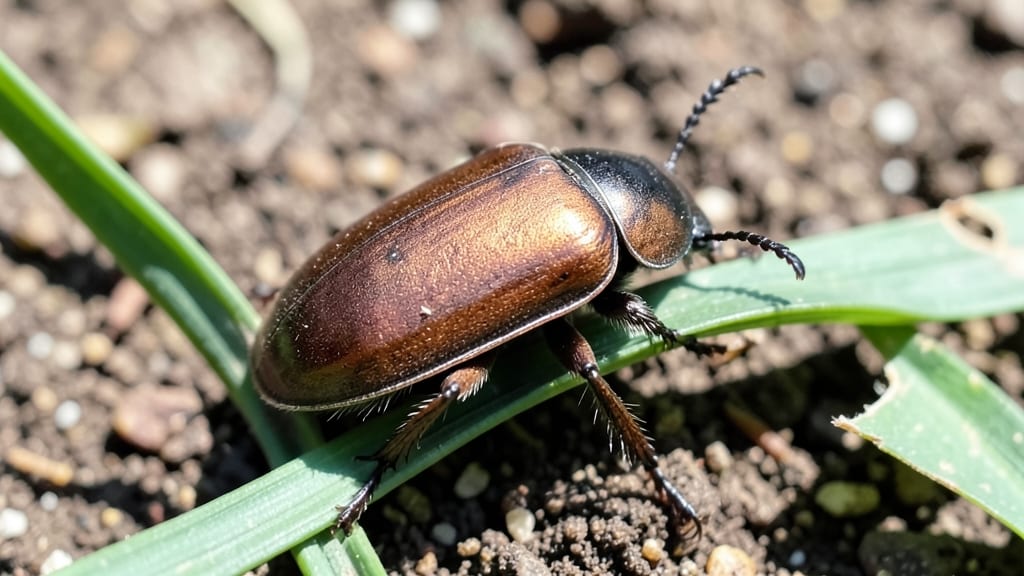
My lawn was turning into a grub buffet, and I refused to drown them in chemicals. 🌱 The problem started with brown patches that grew like wildfire—until I discovered a natural grub killer that actually works without poisoning the soil or the bees.
This isn’t just another spray; it’s a layered defense that starves grubs, disrupts their life cycle, and keeps your lawn thick enough to outcompete them naturally.
The key is combining three simple but powerful strategies: beneficial nematodes that hunt grubs like tiny submarines, diatomaceous earth that dehydrates their hideouts, and milky spore for long-term prevention. You won’t need fancy equipment—just a hose, a spreader, and a little patience.
The best part? These methods work on new infestations and prevent future ones, so you’re not stuck in a cycle of treatments every year.
By the time you’re done, your lawn will look like it’s been professionally treated—vibrant green, resilient to traffic, and free of the weak patches where grubs thrive. The nematodes start working within 48 hours, while milky spore builds up over months for lasting protection.
No more guessing if the damage is grubs or drought; you’ll spot the difference in weeks.
Works in all climates, from humid Souths to dry Wests, and fits any budget. Whether you’re dealing with a small patch or a full yard, this is the foolproof, chemical-free way to reclaim your grass. Let’s get those grubs out for good.
Root Causes of Grub Infestations
Grubs—those C-shaped, cream-colored larvae of beetles—can turn your lush lawn into a patchy, brown mess if left unchecked. But why do they suddenly become a problem? The answer lies in a mix of environmental triggers, lawn health, and the life cycles of their parent beetles.
Understanding these causes is the first step to preventing them naturally. Let’s dig into the science behind why grubs invade your lawn in the first place.
###
🌱 Overwatered or Over-Fertilized Lawns
Grubs thrive in lawns that are too moist or rich in nitrogen. Here’s why:
- Excess Moisture: Grubs need water to survive, and soggy soil creates the perfect breeding ground. Overwatering—especially in hot climates—keeps the topsoil damp longer than necessary, signaling grubs to lay more eggs. Pro tip: 🌡️ Water deeply but infrequently (1–1.5 inches per week) to encourage deep root growth and reduce surface moisture.
- Nitrogen Overload: Fertilizers high in nitrogen (like quick-release lawn foods) make grass grow fast—but also make it softer and more appealing to grubs. The tender roots become an all-you-can-eat buffet for larvae. Pro tip: 📊 Use slow-release, balanced fertilizers (like 16-4-8) and avoid heavy nitrogen applications in late summer or fall, when beetles are most active.
###
🐞 Beetle Activity and Egg-Laying Patterns
Grubs don’t appear out of nowhere—they’re the offspring of adult beetles, and their life cycle is tightly linked to seasonal changes. Here’s how it works:
- Japanese Beetles: These metallic-green invaders lay eggs in late summer (July–August) in warm, moist soil. The eggs hatch into grubs by early fall, feeding on roots until they pupate the following spring. Pro tip: 🕵️♂️ Monitor adult beetle activity in June–July and act fast—egg-laying happens within days of their arrival.
- June Beetles: Less aggressive but still destructive, these beetles lay eggs in late summer to early fall. Their grubs overwinter and emerge in spring, often targeting cool-season grasses like Kentucky bluegrass. Pro tip: ✨ If your lawn has large, irregular brown patches in spring, June beetle grubs are likely the culprits.
- European Chafer Beetles: These beetles have a shorter life cycle, laying eggs in early summer (June). Their grubs mature quickly and can cause damage within weeks. Pro tip: 🔥 Early detection is key—check for adult beetles on tree leaves in June and treat soil preventatively.
###
🌿 Poor Soil Health and Compaction
Grubs prefer lawns with weak, stressed grass and compacted soil. Here’s the connection:
- Compacted Soil: Heavy foot traffic, machinery, or clay-heavy soils create a dense layer that restricts root growth. Grubs love this environment because it’s easy for them to burrow and feed on shallow roots. Pro tip: 💡 Aerate your lawn in early fall to relieve compaction and encourage deeper root systems that grubs can’t easily access.
- Weak Grass Varieties: Some grasses (like fine fescue or tall fescue) are more susceptible to grub damage because their roots are naturally shallow or less resilient. Pro tip: 🌱 Choose grub-resistant grass varieties like tall fescue blends or perennial ryegrass if you’re reseeding.
- Lack of Beneficial Microbes: Healthy soil teems with fungi and bacteria that naturally suppress pest populations. Chemical fertilizers or pesticides can disrupt this balance, making grubs more likely to thrive. Pro tip: 🔄 Use compost or microbial inoculants to boost soil health and create a less hospitable environment for grubs.
###
🌦️ Weather and Seasonal Triggers
Grub outbreaks aren’t random—they’re often tied to specific weather conditions that create ideal hatching and feeding environments:
- Warm, Wet Springs: If spring brings above-average rainfall and temperatures, beetle eggs hatch earlier, leading to a larger grub population before grass can recover. Pro tip: 🌧️ Keep an eye on weather forecasts and apply preventive treatments in early spring if the forecast predicts heavy rains.
- Hot, Dry Summers: While grubs dislike extreme heat, their parent beetles are most active during summer. If your lawn is stressed from drought, it becomes an easier target for grubs once they hatch. Pro tip: 💦 Water deeply during droughts to keep grass resilient, but avoid overwatering afterward.
- Mild Winters: Grubs survive winter in the soil. If temperatures rarely drop below freezing, they remain active longer, leading to larger populations the following year. Pro tip: 🥶 In regions with mild winters, apply preventive treatments in late fall to target overwintering grubs.
Now that you know why grubs show up, the next step is learning how to stop them naturally—without harsh chemicals. Stay tuned for our deep dive into organic grub barriers and DIY solutions that work!
Natural Fixes for Grub-Infested Lawns
Grubs wreaking havoc on your lawn? Don’t reach for harsh chemicals—nature offers powerful, eco-friendly solutions to kick these pests to the curb. Below, we’ll break down cause-specific fixes and share prevention tips to keep your grass lush and grub-free.
🐛 Overwatered or compacted soil? Starve out grubs naturally
Problem: Grubs thrive in damp, dense soil where roots can’t compete for nutrients. Overwatering or heavy foot traffic creates the perfect breeding ground.
Fix:
- Reduce watering 💧: Water deeply but less frequently (1–1.5 inches per week). Let the topsoil dry slightly between sessions to discourage grubs.
- Aerate your lawn 🌱: Rent a core aerator or use a manual spiker to punch holes in compacted areas. This improves drainage and oxygen flow, weakening grub habitats.
- Apply organic mulch 🍂: Spread a 1-inch layer of wood chips, straw, or coconut coir around plants and lawn edges. Mulch dries out soil faster and disrupts grub movement.
Prevention Tip: 💡 Test your soil with a moisture meter before watering. Aim for "slightly damp" (not soggy) conditions.
🌱 Lawn looks patchy or spongy? Smother grubs with organic barriers
Problem: Thinning grass or soft, spongy patches signal grubs feasting on roots. They’re often hidden just 1–2 inches below the surface.
Fix:
- Handpick grubs 👨🍳 (yes, really!):
- Water the lawn lightly in the evening to bring grubs to the surface.
- Use a garden trowel or fork to gently lift sod in affected areas.
- Scoop out grubs (they’re C-shaped, white, and ½-inch long) and drop them in soapy water to kill them.
- Deploy nematodes 🪰: Beneficial nematodes (Heterorhabditis bacteriophora) are microscopic predators that paralyze and kill grubs naturally. Apply them in late summer/early fall when grubs are young:
- Mix 1–2 pounds of nematodes per 1,000 sq ft with water.
- Water the lawn lightly before and after application (they need moisture to move).
- Reapply every 4–6 weeks until grubs are gone.
Prevention Tip: ✨ Plant grub-resistant grasses like tall fescue, zoysia, or buffalo grass—they’re tougher on pests!
🍄 Fungal growth or mushrooms popping up? Disrupt grub life cycles
Problem: Fungal mushrooms or fairy rings (circular patches of mushrooms) mean grubs are eating roots and excreting nitrogen, fueling fungal growth.
Fix:
- Rake and remove mushrooms 🧹: Pull up mushrooms and dry the soil with a fan or by reducing watering. Grubs avoid dry conditions.
- Introduce milky spore powder 🌡️: This organic bacteria (Bacillus popilliae) targets Japanese beetle grubs (a common lawn pest). Sprinkle 1–2 lbs per 1,000 sq ft in early summer and water in. Results take 1–2 years but last decades!
- Encourage birds and toads 🐦🐸: These natural predators love eating grubs. Install a birdhouse or create a small pond to attract them.
Prevention Tip: 🎯 Mow high (3–4 inches)—taller grass shades soil, making it less inviting for grubs.
🌿 Lawn still weak? Boost soil health to outcompete grubs
Problem: Grubs exploit weak lawns with poor nutrition. If your grass is thin or yellowing, it’s an open invitation for pests.
Fix:
- Fertilize with organic matter 🥗:
- Spread compost or worm castings (½ inch thick) over the lawn.
- Use a slow-release organic fertilizer (like kelp meal or alfalfa pellets) to strengthen roots.
- Plant deep-rooted ground covers 🌱: Clover, creeping thyme, or white Dutch clover crowd out grubs and improve soil structure.
- Apply diatomaceous earth (DE) 🔪 (food-grade only!):
- Sprinkle 1–2 cups per 100 sq ft on dry grass.
- Reapply after rain (it loses potency when wet).
- Caution: Avoid breathing DE—wear a mask!
Prevention Tip: ⏰ Aerate in fall—this is the best time to disrupt grub habitats before they pupate.
🛡️ Last resort: homemade grub repellents
If grubs persist, try these DIY sprays (use in evening to avoid harming bees):
| Repellent | How to Make It | How to Apply |
|---|---|---|
| Neem Oil Spray | Mix 1 tbsp neem oil + 1 tsp dish soap + 1 quart water. Shake well. | Spray directly on soil (reapply weekly). |
| Garlic & Chili Spray | Blend 4 garlic cloves + 1 tbsp cayenne pepper + 1 quart water. Strain. | Spray on lawn (avoid plants sensitive to garlic). |
| Coffee Grounds | Sprinkle used coffee grounds (½ inch thick) around lawn edges. | Work into soil lightly—grubs hate the smell! |
Prevention Tip: 💡 Rotate methods—grubs can build resistance, so mix nematodes, DE, and cultural fixes for best results.
Final Note: Patience is key—some fixes (like milky spore) take time, but consistent organic care will make your lawn grub-proof in a season. 🌿✨
Frequently asked questions
How quickly will natural grub treatments start working?
Most natural methods like beneficial nematodes begin killing grubs within 48 hours of application, while diatomaceous earth shows results in 24-48 hours on dry soil. However, milky spore takes 1-2 years to establish fully but provides long-term protection. For immediate relief, combine nematodes with DE for faster results.
Can I use these natural methods if I have pets or kids playing on the lawn?
All recommended methods—nematodes, diatomaceous earth, and milky spore—are pet- and child-safe once applied. Just avoid letting pets walk on freshly treated areas for 24 hours to prevent accidental ingestion of DE. Nematodes are harmless to mammals and decompose naturally in the soil.
What’s the best time of year to treat grubs naturally?
The ideal window is late summer to early fall (August-October) when grubs are young and most vulnerable. For Japanese beetle grubs, apply milky spore in early summer (June-July) to target eggs. Avoid treating in extreme heat or drought—grubs and beneficial microbes need moisture to thrive.
Will natural methods work on severe infestations, or do I need chemicals?
Natural methods can handle severe infestations if applied consistently! Start with nematodes + diatomaceous earth for immediate impact, then reinforce with milky spore for long-term control. For large lawns, divide treatment into sections over 2-3 weeks. If patches persist, handpick remaining grubs or aerate to improve soil conditions.
How do I know if my lawn problems are really grubs and not something else?
Look for these telltale signs: spongy grass that lifts easily, white C-shaped larvae when you dig up sod, or mushroom rings (fairy rings). Other culprits like drought or disease create uniform browning, while grubs cause irregular patches that feel soft. Dig a small section—if you find 3+ grubs per square foot, you’ve got an infestation.