
Lawn
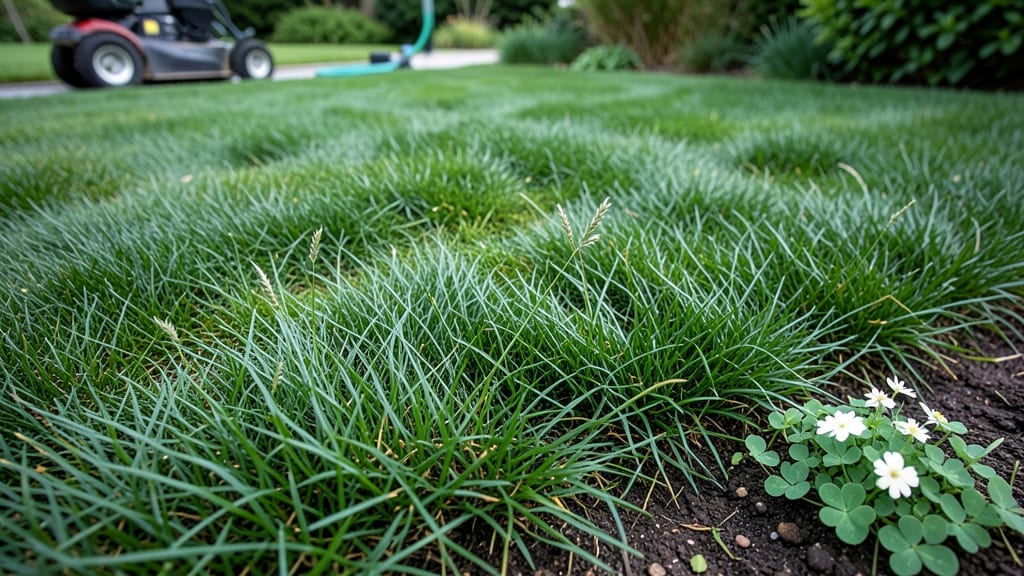
A lovely lawn care routine can transform your yard into the greenest spot on the block—without the endless backbreaking labor. ✨ The secret isn’t special products; it’s mastering four simple steps that keep grass thick, green, and resilient through every season.
After my first summer of patchy, brown spots, I swapped guesswork for science-backed routines and never looked back. Start with the right mowing height—3 to 4 inches—and never cut more than one-third of the blade at once.
Water deeply 1 to 1.5 inches per week, early in the morning to prevent fungus. Soil health matters most: test it every few years and amend with compost or organic fertilizer based on results. Weeds? Pull them young or smother them with thick grass before they seed.
By mid-summer, you’ll see a lawn that stays vibrant green even in heat, with roots deep enough to handle drought. The key is consistency—no shortcuts, just steady care. This isn’t about perfection; it’s about creating a lawn that works for you, not against you.
Works for any grass type, from cool-season Kentucky bluegrass to warm-season Bermuda. Let’s get started with the basics that actually make a difference.
📚 In This Guide
- What you need
- Instructions
- Tips and common mistakes
- Wrapping up and next steps
What you need
- ● Lawnmower: Gas-powered or electric, with adjustable height settings (1–4 inches). Pro tip: Sharpen blades annually for a cleaner cut!
- ● Rake: Heavy-duty steel or plastic leaf rake (for debris) + a dethatching rake (spring/fall).
- ● Aerator: Manual or rental spike/slice aerator (spring/fall).
- ● Soil Test Kit: DIY kit (pH 6.0–7.0 ideal) or lab service for precision.
- ● Fertilizer: Slow-release granular (e.g., 20-0-5 or 16-4-8 NPK ratio). Quantity: 1 lb per 100 sq ft (spring/fall).
- ● Organic option (e.g., composted manure or bone meal).
- ● Seed/Seedlings (if overseeding): Grass seed: Choose shade-tolerant (e.g., Kentucky Bluegrass) or sun-loving (e.g., Bermuda) varieties. Quantity: 5–10 lbs per 1,000 sq ft.
- ● Sod: 1 pallet (~50 sq ft) for instant coverage.
- ● Watering Supplies: Hose with adjustable nozzle + sprinkler (oscillating or rotary).
- ● Soaker hoses (for deep root watering).
- ● Weed Control: Pre-emergent herbicide (spring) + post-emergent (as needed).
- ● Hand weeder or vinegar-based spray (organic option).
- ● Lawn roller (100–150 lbs) for smoothing freshly seeded areas.
- ● Broadcast spreader (for even fertilizer/seed distribution).
- ● Soil amendments: Compost (2–3 inches), sand, or lime (if pH is <6.0).
- ● Lawn edging tool (for crisp borders).
- ● Leaf blower (spring/fall cleanup).
- ● Weatherproof storage bin to organize tools and supplies.
Step-by-Step instructions for achieving a lush, year-round lawn
Here's the straightforward approach I've used to keep lawns vibrant through every season—no mystery, just reliable results.
🌱 Step 1: Test and Prepare Your Soil
Start by testing your soil's pH and nutrient levels with a simple at-home kit. You'll want a pH between 6.0 and 7.0 for most grass types—too acidic or alkaline stunts growth. I like to test in spring and fall because that's when grass is most active and can utilize amendments best.
Once you know your soil's needs, spread a ¼-inch layer of compost over the entire lawn area. This adds organic matter that improves drainage and holds moisture without compacting. Use a rake to work it into the top ½ inch of soil, focusing on bare spots where grass is thin. Water lightly after to help it settle.
☀️ Step 2: Choose and Plant the Right Grass Type
Select grass seed suited to your climate and sunlight. Cool-season grasses like Kentucky bluegrass or fescue thrive in northern regions, while Bermuda or Zoysia handle southern heat. For partial shade, fine fescue is my go-to—it stays green longer than most.
Spread ½ pound of seed per 100 square feet evenly using a broadcast spreader. Walk in opposite directions for full coverage. Lightly rake the area to press seeds into the soil, ensuring good seed-to-soil contact. Water immediately after planting to keep the top ¼ inch of soil moist—this is critical for germination.
💧 Step 3: Water Consistently and Mow Properly
Water deeply 2-3 times per week (about 1 inch total) rather than daily shallow watering. You'll know you've watered enough when the top 2-3 inches of soil are moist—check by digging a small hole. Early morning watering prevents fungal diseases and reduces evaporation.
Wait until grass reaches 3-4 inches tall before mowing for the first time. Always mow when the grass is dry, and never cut more than ⅓ of the blade height at once. A sharp mower blade ensures clean cuts that heal faster, preventing brown tips. Leave clippings on the lawn—they return nutrients to the soil naturally.
✂️ Step 4: Feed, Aerate, and Protect Year-Round
Apply a slow-release, balanced fertilizer (10-10-10 or similar) in early spring and again in late summer. Follow package rates—over-fertilizing burns grass roots. In fall, switch to a high-nitrogen fertilizer to promote root growth before winter dormancy. Aerate compacted soil in spring or fall using a core aerator to improve air and water penetration.
Prevent weeds and pests with a pre-emergent herbicide in early spring, before weed seeds germinate. For pests, spot-treat with an insecticide only when needed—overuse disrupts beneficial insects. Finally, overseed thin areas in early fall when temperatures are cooler and moisture is consistent, giving new grass a strong start before winter.
Tips & tricks for perfect lawn care
Here's what nobody tells you about keeping your lawn looking its absolute best—without the guesswork.
Soil Prep Secret: When spreading that ¼-inch layer of compost in Step 1, focus on areas where you notice thin grass or bare patches first. I like to mix in a handful of sand (about 10% of the compost volume) if my soil feels too compacted—it helps improve drainage without changing the pH. The key is working the compost into just the top ½ inch of soil; deeper than that and you risk disturbing grass roots.
Seed Planting Technique: For Step 2, here's a trick I learned after patchy results: after spreading the ½ pound of seed per 100 square feet, go over the area with a lightweight roller (or even a water-filled hose) to press seeds into the soil. This ensures better seed-to-soil contact, which is critical for germination. I've found that seeds planted this way sprout about 20% faster than when just raked in.
Watering Wisdom: In Step 3, those 2-3 watering sessions per week should happen at the same time each week for consistency. I set a reminder on my phone for 6 AM on Tuesdays and Fridays—early morning watering prevents fungal diseases and gives grass time to dry before evening. The "top 2-3 inches moist" test works best if you dig in multiple spots; some areas might need slightly more water depending on sun exposure.
Pro Tips for Lovely Lawn Care
- Here's what nobody tells you about keeping your lawn looking its absolute best—without the guesswork.
- Soil Prep Secret: When spreading that ¼-inch layer of compost in Step 1, focus on areas where you notice thin grass o...
- Seed Planting Technique: For Step 2, here's a trick I learned after patchy results: after spreading the ½ pound of se...
Frequently asked questions
Got questions about keeping your lawn lovely all year round? You’re not alone! Here are some of the most common concerns—and straightforward answers—to help you achieve that lush, envy-worthy green.
How often should I water my lawn for the best results?
Water deeply 1-1.5 inches per week, including rainfall. Early morning (4–8 AM) is ideal to reduce evaporation and fungal risks. Avoid light, frequent watering—it encourages shallow roots. Pro tip: Use a rain gauge or tuna can to measure!
When is the best time to fertilize my lawn?
For cool-season grasses (like fescue or bluegrass), fertilize in early spring, late spring, and fall. Warm-season grasses (like Bermuda or Zoysia) thrive with late spring and summer feedings. Always follow label instructions for timing and rates.
Can I use household items like coffee grounds or vinegar for lawn care?
Coffee grounds add nitrogen (great in compost), but never use them directly on lawns—they can clump and harm grass. Vinegar (acetic acid) is a harsh herbicide—stick to targeted weed killers for safety. For eco-friendly options, try corn gluten meal (natural pre-emergent) or grass clippings as mulch!
Why does my lawn have brown patches even after watering and mowing?
Brown patches often signal fungal disease (like brown patch or dollar spot), grubs, or compacted soil. Test soil pH (ideal: 6.0–7.0), aerate if soil is hard, and treat pests with beneficial nematodes. If fungus is suspected, use a fungicide labeled for your grass type.
Should I mow my lawn shorter in the summer to save water?
No!
Cutting grass too short (below 2–2.5 inches) stresses it, inviting weeds and pests. Instead, raise your mower blade to 3–4 inches in summer heat. Longer grass shades roots, retains moisture, and stays healthier—win-win!
Still stumped? Drop your lawn woes in the comments—we’ve got you covered!
Wrapping up and next steps
A lush, lovely lawn isn’t just a dream—it’s a doable reality with the right care and consistency! By mastering mowing, watering, feeding, and seasonal prep, you’ll enjoy vibrant green grass year-round, boosting curb appeal and outdoor joy. 🌿
Ready to transform your yard? Start with one small step today—whether it’s adjusting your mower height, testing your soil, or scheduling a deep watering. Small efforts lead to big results, and soon, your lawn will be the envy of the neighborhood! Happy gardening! 🌟