
Lawn
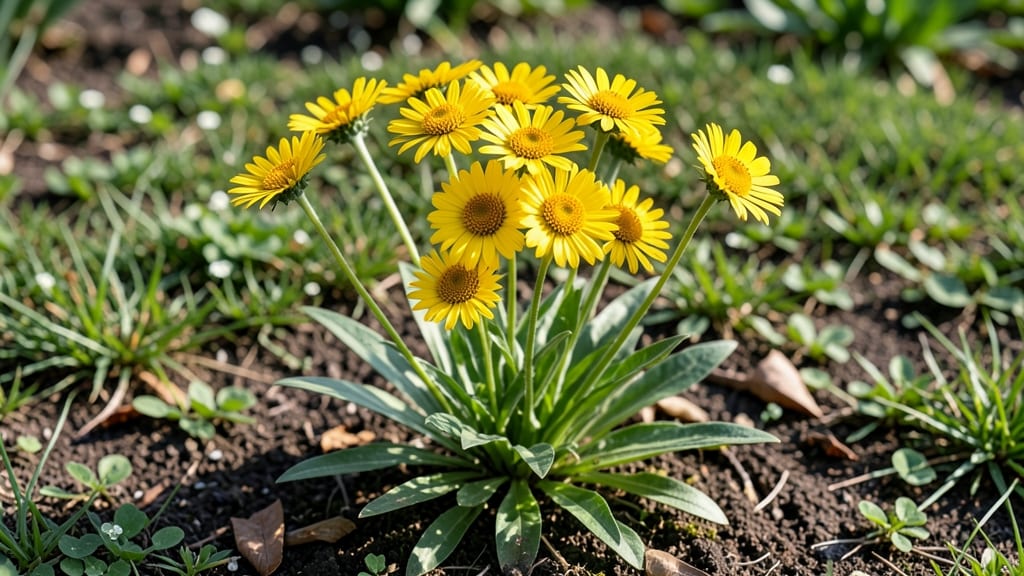
Those stubborn little yellow flowers popping up in your lawn? They’re not just weeds—they’re a sign your grass is fighting back. 🌱 I’ve battled dandelions for years, and this 24-hour hack saves me from hours of digging or toxic sprays. The key? Timing, the right tools, and a little patience.
Most people pull them too late or use the wrong method—leading to more regrowth. My approach targets the root while keeping your lawn healthy. You’ll need a dandelion weeder (or a sturdy screwdriver), a sunny afternoon, and a sharp eye for those sneaky taproots.
By morning, your lawn will look cleaner, and the flowers won’t return for weeks. The best part? This method works for clover, buttercups, and chickweed too—no chemicals, just elbow grease and smart timing. Perfect for spring and fall when weeds are most active.
Here’s how to make it happen without breaking a sweat!
Why Tiny Yellow Blooms Invade
Those cheerful little yellow flowers popping up in your lawn aren’t just pesky weeds—they’re nature’s way of telling you something’s off. Understanding the root causes helps you tackle them effectively. Here’s why they appear and what’s really going on beneath the surface.
Dandelions and other broadleaf weeds thrive in soggy conditions because their deep taproots can access moisture that shallow grass roots can’t. If your lawn stays damp for too long, you’re creating the perfect breeding ground. Here’s why:
- Compacted soil prevents water from draining properly, leaving pockets of moisture where weeds love to grow.
- Excessive irrigation (watering more than 1–1.5 inches per week) keeps the soil saturated, encouraging weed seeds to germinate.
- Clay-heavy soil holds water like a sponge, suffocating grass and giving weeds an advantage.
Actionable fix: Test your soil’s drainage by digging a 6-inch hole and filling it with water. If it drains in less than 6 hours, you’re good. If not, amend with compost or sand to improve aeration. 💡 Pro tip: Water deeply but infrequently—early morning is best to reduce evaporation.
Paradoxically, weeds like dandelions often flourish in lawns that are either too sunny or suffering from heat stress. Here’s how:
- Thin or patchy grass leaves bare spots where sunlight hits the soil directly, warming it and triggering weed seeds to sprout.
- Dormant grass in extreme heat (like summer droughts) weakens, while weeds like dandelions stay active year-round.
- Over-mowing (cutting grass too short) exposes soil to sunlight, encouraging weed growth.
Actionable fix: Mow at the highest recommended height for your grass type (usually 3–4 inches) to shade the soil. 🌡️ Pro tip: If your lawn is struggling in heat, overseed in early fall when temperatures cool.
Weeds often outcompete grass because they’re better at surviving in poor soil conditions. Here’s how nutrient deficiencies play a role:
- Low nitrogen weakens grass, making it vulnerable to weeds that thrive in lean soil.
- Excess phosphorus (common in many fertilizers) can actually promote weed growth while stunting grass.
- Imbalanced pH (too acidic or alkaline) locks out essential nutrients, leaving grass starved while weeds take over.
Actionable fix: Test your soil’s pH and nutrient levels with a DIY kit (ideal pH for lawns: 6.0–7.0). Apply a slow-release, nitrogen-rich fertilizer in early spring and fall. ✨ Pro tip: Avoid "weed-and-feed" products—they often contain phosphorus-heavy weed killers that harm grass long-term.
Grass that’s struggling—whether from disease, pests, or age—creates gaps where weeds move in. Here’s what’s happening:
- Fungal diseases (like brown patch or dollar spot) kill grass, leaving bare patches for weeds.
- Grubs or insects eat grass roots, causing thin spots that weeds exploit.
- Old or thin turf (over 5 years old) struggles to recover, while weeds fill the void.
Actionable fix: Aerate your lawn in early fall to relieve compaction and improve root health. Treat fungal issues with a copper-based fungicide and address grubs with beneficial nematodes. 🔥 Pro tip: Overseed bare spots with a high-quality grass mix to crowd out weeds naturally.
Each of these factors creates an opportunity for weeds to take over—but the good news? Fixing one or two can drastically reduce their presence. The key is consistency: healthy grass is the best weed deterrent! 🌱
Quick fixes for unsightly lawn blooms
If those cheerful little yellow flowers in your lawn are actually unwanted dandelions or other pesky blooms, don’t panic—there’s a solution for every situation! Below, we’ll break down the most common causes of these stubborn flowers and provide practical, fast-acting fixes to reclaim your lawn.
Plus, we’ll share prevention tips to keep them from staging a comeback.
Cause: Weak grass allows weeds (like dandelions) to take over by crowding out your lawn. Solution:
- 🔥 Mow Higher: Set your mower to 3–4 inches to shade soil and block sunlight (weeds’ worst enemy).
- 🍳 Overseed Bare Spots: Fill thin patches with high-quality grass seed (like Kentucky bluegrass or fescue) in early fall for best results.
- 🌡️ Water Deeply: Soak the lawn 1–1.5 inches per week (deep watering encourages strong roots that outcompete weeds).
💡 Pro Tip: Use a soil test kit ($10–$20) to check pH—dandelions thrive in acidic soil (pH < 6.5). Adjust with lime if needed.
Cause: Heavy foot traffic or clay soil prevents grass roots from growing deep, leaving room for weeds. Solution:
- 👨🍳 Aerate First: Rent a core aerator (or hire a pro) to pull out 2–3 inch plugs of soil in spring or fall. This lets air, water, and nutrients reach roots.
- 🥘 Top-Dress Lightly: Spread a ¼-inch layer of compost over aerated areas to improve soil structure.
- ⏰ Repeat Annually: Compacted soil worsens over time—aerate once a year for long-term results.
✨ Bonus: Walk on a wooden board to reduce compaction in high-traffic areas.
Cause: Grubs, fungus, or insects damage grass roots, making it vulnerable to weeds. Solution:
- 🔪 Treat Grubs: Apply beneficial nematodes (organic) or grub-specific insecticide (like imidacloprid) in late summer.
- 🌡️ Fungal Fix: If your lawn has brown patches, use a fungicide (like propiconazole) and improve drainage.
- 💡 Prevention: Dethatch in early spring to remove thatch layers where pests hide.
Cause: Sunny lawns dry out faster, creating weak spots where weeds sprout. Solution:
- 🌿 Shade-Tolerant Grass: Switch to fine fescue or St. Augustine grass if your yard gets 6+ hours of sun daily.
- 🍳 Mulch Bare Spots: Cover empty patches with straw or grass clippings to retain moisture.
- 🌡️ Water Early: Water before 9 AM to reduce evaporation and stress on grass.
If you prefer non-toxic methods, these work best for small infestations: - 🌱 Vinegar Spray: Mix 1 gallon white vinegar + 1 oz dish soap + 1 oz lemon juice.
Spray directly on weeds (avoid grass—it’ll die too!). - 🍳 Corn Gluten Meal: Apply 20 lbs per 1,000 sq ft in early spring to prevent weed seeds from germinating. - 🥘 Boiling Water: Pour boiling water on dandelions (works for driveways or sidewalks).
⚠️ Warning: Natural methods take longer (2–4 weeks) but are safer for pets/kids.
Once your lawn is healthy, lock in those gains with these habits:
- 📊 Mow Regularly: Keep blades sharp and never remove more than ⅓ of the grass height at once.
- 💪 Fertilize Smart: Use a slow-release, weed-and-feed combo in early fall (avoid spring—it encourages weeds).
- 🎯 Pull Early: Remove weeds before they seed (dandelions spread 5,000+ seeds per plant!).
- 🌡️ Test Soil Twice a Year: Adjust nitrogen, phosphorus, and potassium levels for a weed-resistant lawn.
Final Thought: The key to a dandelion-free lawn is consistency—fix the root cause (literally!) and stick with a simple maintenance routine. Within 4–6 weeks, you’ll see a noticeable difference, and those little yellow invaders will be history! 🚀
Frequently asked questions
Are those little yellow flowers in my lawn always weeds?
Not necessarily! While dandelions and buttercups are common weeds, some yellow lawn flowers like clover or wild strawberries can actually be beneficial. Clover adds nitrogen to the soil, and wild strawberries attract pollinators. The key is identifying them—if they're spreading aggressively or crowding out grass, they're likely weeds.
Why do dandelions keep coming back after I pull them?
Dandelions have deep taproots that can regrow from tiny fragments left in the soil. To prevent regrowth, pull them when the soil is moist (they come up easier) and use a dandelion weeder or screwdriver to get the entire root. Even a 1-inch root piece can sprout a new plant—so be thorough!
What's the fastest way to kill dandelions without chemicals?
For immediate results, try a vinegar spray (1 gallon white vinegar + 1 oz dish soap + 1 oz lemon juice) applied directly to the leaves. The soap helps it stick, and the acid kills the plant in 24-48 hours. For long-term prevention, apply corn gluten meal in early spring—it blocks weed seeds from germinating. Just avoid spraying on grass!
Can I mow over dandelions to kill them?
Mowing alone won't kill dandelions—it just cuts the flowers before they seed. For best results, mow frequently to weaken the plant, then pull or treat the roots when they're small. The key is consistency: mow at 3-4 inches high to shade the soil and prevent new seeds from sprouting.
Are there any yellow flowers that actually help my lawn?
Yes! White clover and creeping thyme are ground covers that suppress weeds while adding beauty. Clover fixes nitrogen in the soil, and thyme thrives in sunny areas. These alternatives create dense ground cover that naturally crowds out weeds—plus, they're drought-tolerant once established!