
Plants
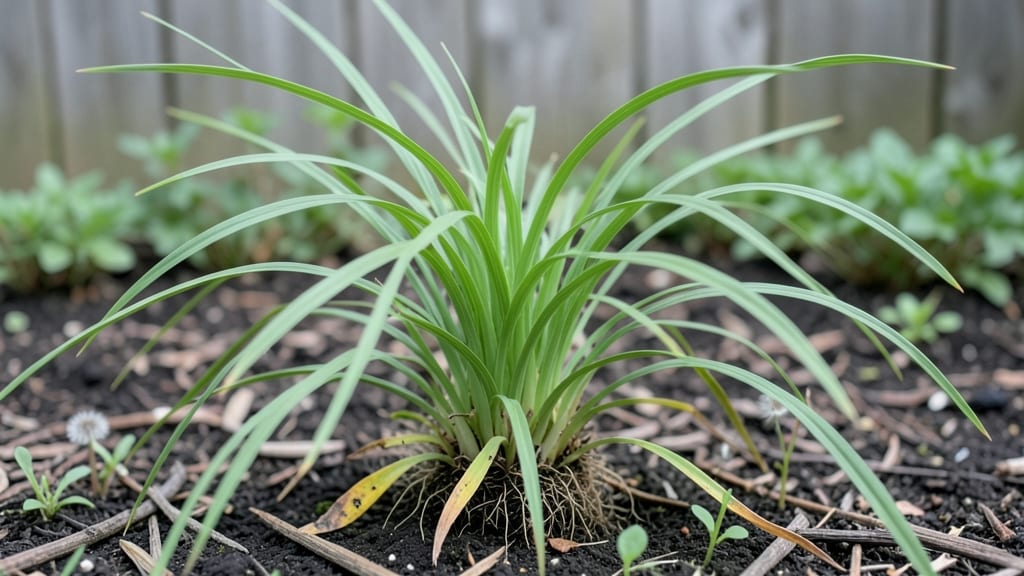
Growing fragrant lemon grass Cymbopogon from cuttings is the easiest way to get a kitchen garden bursting with citrusy aroma—no seeds or waiting months required.
Picture this: a 6-inch stalk of lemon grass 🌿 rooting in a jar of water on your windowsill, ready to transplant into your garden by spring. That’s the magic of propagation—fast, free, and foolproof.
Whether you’re a beginner or a seasoned gardener, this method delivers harvest-ready stalks in just 60-90 days, perfect for soups, teas, or homemade cleaning solutions. No green thumb needed.
Below, I’ll walk you through the 4 simple steps to turn a single cutting into a thriving plant, plus the pro tips that keep it growing strong all season long.
How to propagate lemon grass Cymbopogon from cuttings: step-by-step guide
Propagating lemon grass Cymbopogon from cuttings is one of the easiest ways to grow this fragrant herb. Unlike seeds, cuttings provide immediate rooted plants that mimic the parent plant's vigor.
With a 90%+ success rate when following proper techniques, you’ll have lush, aromatic stems ready for your garden or kitchen in just a few weeks.
The key to success lies in selecting healthy cuttings, providing the right rooting environment, and transplanting at the optimal time. Whether you choose water propagation or direct soil planting, this method ensures your new plants establish quickly and thrive.
Let’s dive into the step-by-step process to get your lemon grass growing strong.
Select Healthy Cuttings
Choose mature stems that are 3-4 inches tall with at least 3-4 leaves. Look for stems that are firm and upright with no signs of yellowing or disease. Use clean, sharp pruning shears to make a diagonal cut just below a leaf node.
Prepare the Cuttings
Remove the lower leaves from the stem, leaving only the top 2-3 leaves. This reduces transpiration and encourages root growth. For water propagation, place the cuttings in a jar of room-temperature water, ensuring the bare stem is submerged but leaves stay dry.
Root in Water or Soil
Water Method: Change the water every 2-3 days to prevent bacterial growth. Roots should appear in 10-14 days. For soil propagation, dip the cut end in rooting hormone (optional) and plant in moist, well-draining soil, burying the stem 1-2 inches deep.
Monitor Root Growth
If using water, transfer the cuttings to soil once roots reach 1-2 inches. Keep the soil consistently moist but not soggy. For direct soil planting, check for new growth in 3-4 weeks, which indicates successful rooting.
Transplant to Final Location
Once the cuttings have established roots (about 4-6 weeks), transplant them to their permanent spot. Choose a location with full sun to partial shade and well-draining soil. Space plants 12-18 inches apart to allow for proper growth.
Care for New Plants
Water the transplanted lemon grass deeply once a week to encourage deep root growth. Avoid overwatering, as soggy soil can lead to root rot. Apply a balanced fertilizer (10-10-10) every 4-6 weeks during the growing season for lush, fragrant foliage.
One of the biggest advantages of propagating lemon grass Cymbopogon from cuttings is the speed and reliability of the process. Unlike seeds, which can take months to mature, cuttings provide instant gratification with established roots ready to grow.
This method also ensures your new plants inherit the fragrant qualities of the parent plant, making them ideal for culinary and aromatic uses.
If you’re growing lemon grass in containers, use pots that are at least 12 inches deep to accommodate the long roots. Ensure the container has drainage holes to prevent waterlogging, which can stunt growth or cause disease.
For outdoor gardens, choose a spot with well-draining soil and partial shade during the hottest part of the day to protect the plants from heat stress.
Once your lemon grass cuttings are established, they’ll grow quickly, reaching harvestable size in as little as 60-90 days. To encourage bushier growth, pinch back the top leaves when the plant reaches 12-18 inches tall.
This simple pruning technique stimulates side shoots, giving you more stems to harvest over time.
For those in cooler climates, lemon grass is best grown as an annual or container plant that can be brought indoors before the first frost. In tropical or subtropical zones, it
Best conditions for growing lemon grass Cymbopogon from cuttings
Lemon grass (Cymbopogon citratus) thrives when given the right conditions after propagation. To ensure your cuttings root successfully and grow vigorously, focus on sunlight, temperature, humidity, and soil quality. These factors directly impact your plant's ability to establish strong roots and develop that signature citrusy aroma.
First, let’s talk about sunlight exposure. Lemon grass loves bright, direct light—think 6 to 8 hours daily. While it can tolerate partial shade, especially in hotter climates, less than 4 hours of sunlight will result in weak stems and pale leaves.
If growing indoors, place your plant near a south-facing window where it can bask in natural light.
Now, let’s dive into the specifics with this handy summary table to keep everything organized:
Temperature plays a crucial role in lemon grass growth. This tropical herb prefers warmth between 65-85°F (18-29°C). If your climate dips below 50°F (10°C), growth slows dramatically, and the plant may even go dormant.
To protect your lemon grass in cooler months, consider moving pots indoors near a sunny window or using a grow light to supplement natural light.
Humidity is another critical factor, especially if you’re growing lemon grass indoors. These plants thrive in 60-80% humidity, mimicking their native tropical environments. If your home is dry, place a pebble tray filled with water under the pot or use a humidifier nearby.
Watch for brown leaf tips—a classic sign of low humidity—and adjust accordingly.
For soil, lemon grass isn’t picky but does best in well-draining, sandy loam with a slightly acidic to neutral pH (5.5-7.5). Avoid heavy clay soils that retain too much moisture, as root rot can quickly become an issue.
Mixing in compost or coconut coir improves drainage and provides essential nutrients for strong growth.
Finally, let’s address common issues like yellowing leaves or slow growth. Yellow leaves often signal overwatering or nutrient deficiency, while slow growth could mean insufficient sunlight or cool temperatures. Always check your plant’s soil moisture and light exposure first—simple fixes can make all the difference!