
Landscaping
Tired of spending hours mowing and hundreds on water bills? These drought-tolerant lawn substitutes transform your yard into a lush, low-maintenance landscape while saving water and reducing costs by half.
Native Wildflower Meadows for Pollinators
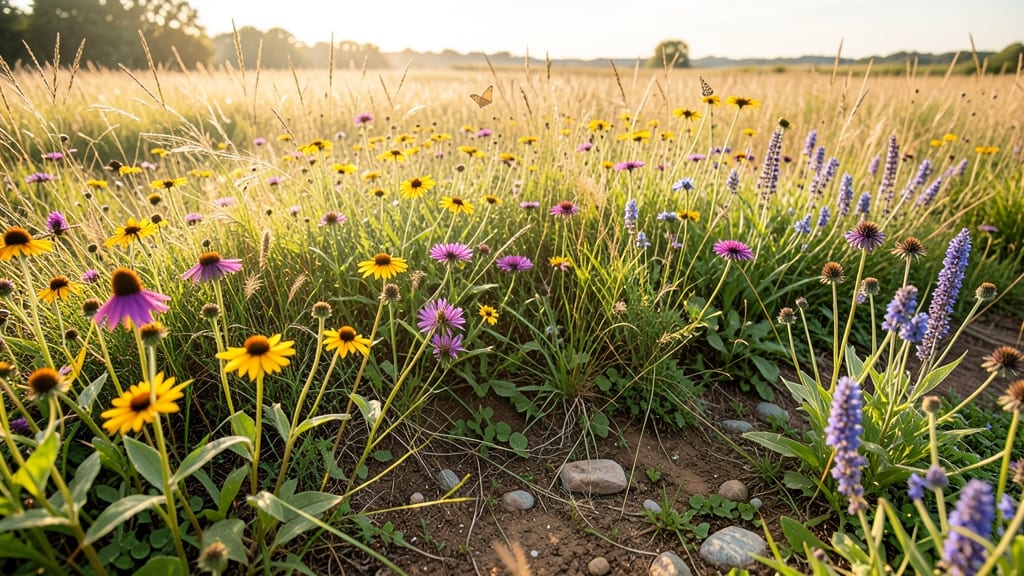
Imagine a yard that thrives on sunshine and rain alone, buzzing with life while cutting your water bill in half—native wildflower meadows turn this dream into reality. These vibrant ecosystems support local pollinators like bees and butterflies while eliminating the need for mowing or irrigation after the first year.
Start by selecting a mix of drought-tolerant wildflowers like purple coneflower, black-eyed Susan, and goldenrod, which bloom at different times for year-round color. Mow the area once to remove existing grass, then scatter seeds in late summer or early fall when soil is warm. Once established, these meadows require no additional watering—just let nature take over. For best results, choose a sunny spot with well-draining soil.
This low-maintenance solution is perfect for eco-conscious homeowners who want to reduce their carbon footprint while creating a thriving habitat for wildlife. 🌻
Clover Ground Cover for Soft Underfoot
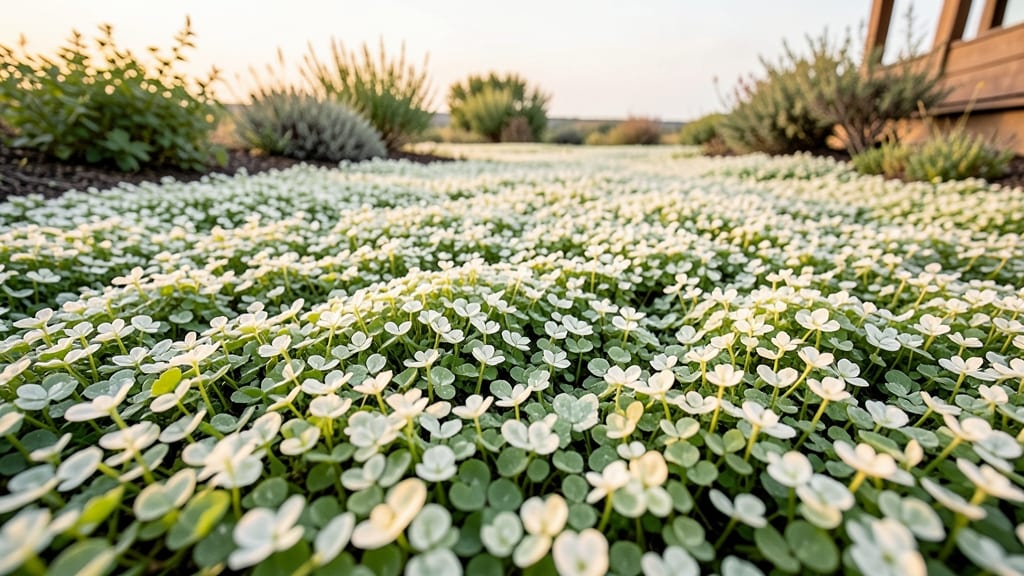
If you're looking for a soft, resilient lawn substitute that stays vibrant without constant watering, white Dutch clover is your answer. Unlike thirsty grass, clover thrives on rainfall alone once established, forming a dense, springy carpet that's gentle on bare feet—ideal for kids' play areas or pet-friendly yards.
This hardy ground cover does double duty by fixing nitrogen in the soil, reducing the need for fertilizers while improving your garden's health. It handles foot traffic better than most lawn alternatives, bouncing back from trampling and even suppressing weeds naturally. For best results, plant clover seeds in early spring or fall when soil temperatures are mild, and mow occasionally to encourage dense growth.
Families with active kids or pets will love how clover stays lush year-round with minimal care. It’s also a great choice for urban gardeners with limited water access or those seeking a low-maintenance, eco-friendly lawn alternative. 🌱
Drought-Resistant Ornamental Grasses
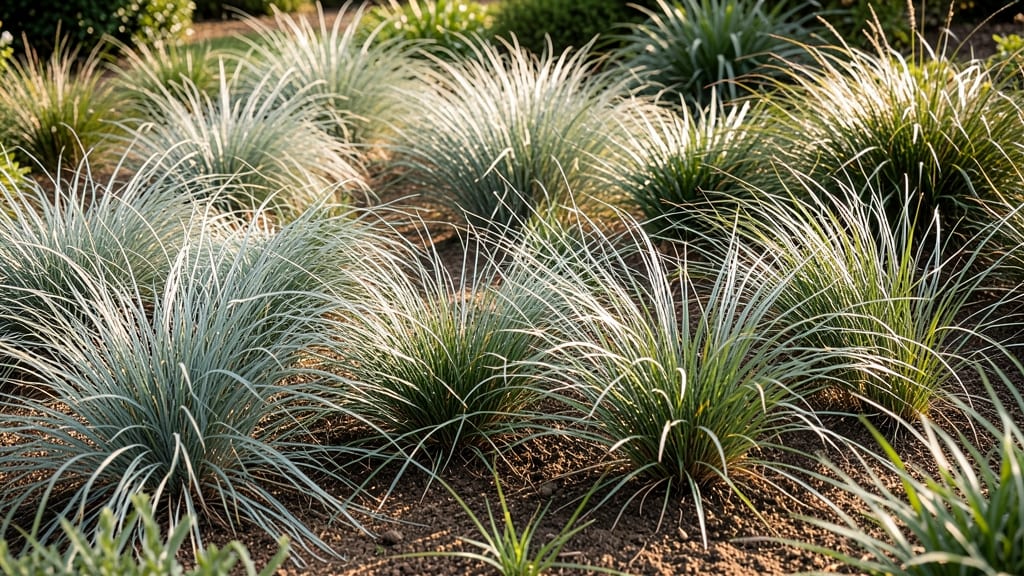
If you crave movement and texture in your garden without the upkeep, ornamental grasses are your secret weapon. Unlike static plants, they sway in the breeze, creating a dynamic, ever-changing display that adds depth and visual interest to any landscape—all while requiring less than 1 inch of water per month once established.
Varieties like fountain grass (Pennisetum) and blue fescue (Festuca glauca) thrive in full sun to partial shade and tolerate poor soil, making them ideal for urban gardens or rocky slopes. Plant clumps 18–36 inches apart for a full, natural look, and watch them grow effortlessly—no mowing, no edging, just pure, low-maintenance beauty. Their seasonal color shifts (from golden to silver) keep your yard looking fresh year-round.
Perfect for beginners or busy gardeners, these grasses demand almost no attention but deliver maximum impact. They’re also wildlife-friendly, providing shelter for birds and insects. Swap your lawn for this easy-care alternative and enjoy a garden that moves with the wind—and your schedule. 🌿
Succulent and Sedum Ground Cover
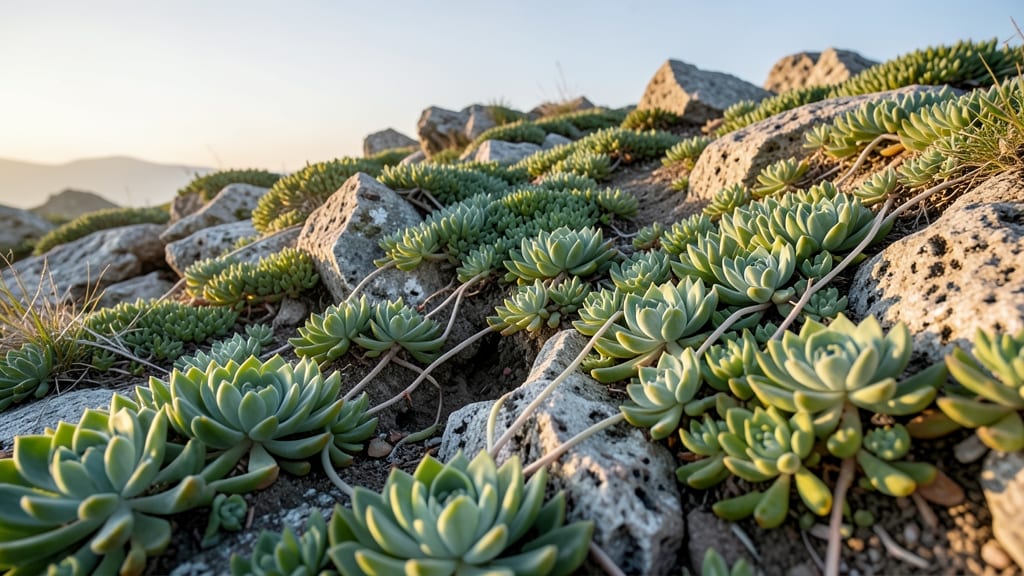
If your yard is rocky, sloped, or simply too challenging for traditional grass, succulent and sedum ground covers are your secret weapon. These drought-proof plants thrive in poor soil, spread effortlessly, and create a velvety green carpet that stays vibrant with minimal water—once established, they need almost none.
Start with hen-and-chicks (Sempervivum) for their striking rosette shapes, or choose sedum varieties like 'Dragon's Blood' for deep burgundy hues. Plant in full sun to partial shade, spacing them 6–12 inches apart to encourage rapid spreading. For rocky areas, let them spill over edges naturally—no mulch needed! Their shallow roots prevent erosion while adding texture and color year-round.
This option is ideal for urban gardeners with steep slopes or rural homesteaders who want low-maintenance beauty. Plus, their drought tolerance means fewer water bills and happier plants in any climate. 🌱
Artificial Turf with Eco-Friendly Fill
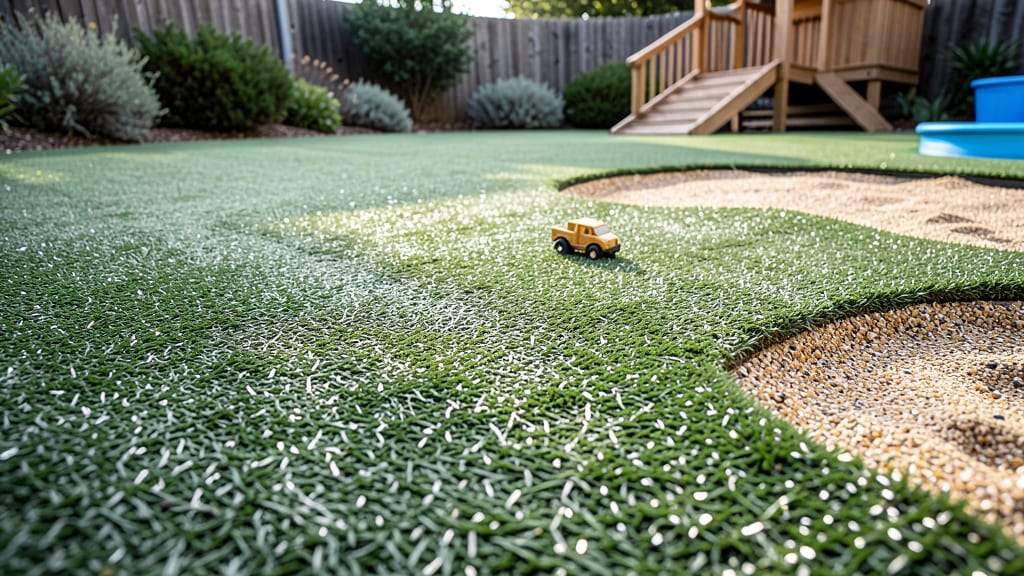
When your backyard doubles as a playground for kids or pets—and natural grass just can’t keep up—artificial turf with eco-friendly fill is the game-changer you need. This isn’t your grandpa’s plastic lawn; modern versions use recycled rubber or sand fill to mimic the look, feel, and even drainage of real grass, while cutting water use by 100%.
Look for petroleum-free infill made from recycled tires or coconut husks to reduce environmental impact further. Installation is faster than sod (no waiting for roots to establish), and high-quality turf lasts 10-15 years with minimal upkeep—just occasional brushing to keep blades upright. It’s especially ideal for sports areas, patios, or slopes where erosion or muddy puddles are constant struggles.
Perfect for urban gardeners or busy families, this option delivers the low-maintenance dream without sacrificing aesthetics or functionality. 💪
Drought-Tolerant Shrub Beds
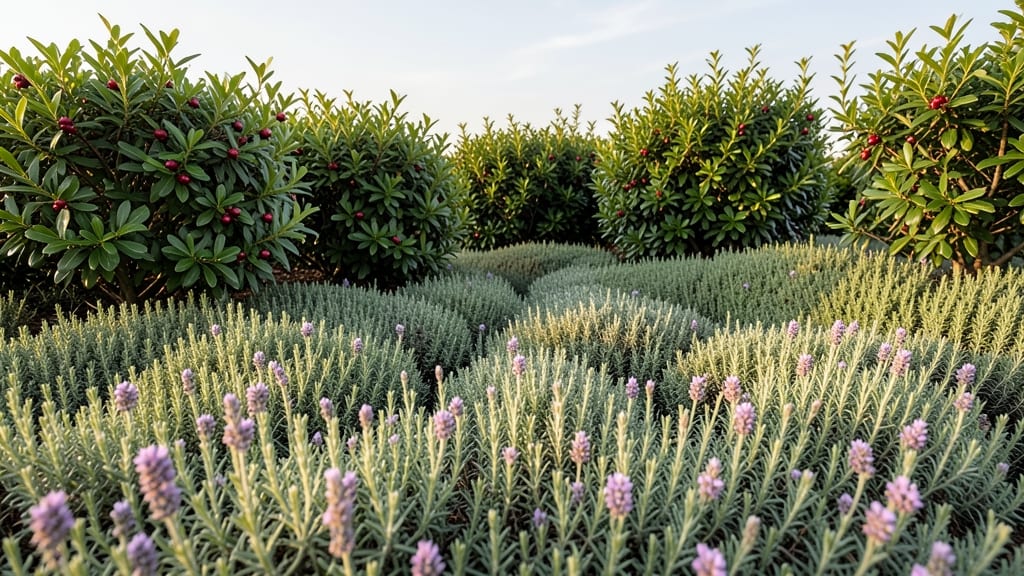
Want a yard that stays lush and green without a single drop of extra water? Drought-tolerant shrub beds like creeping thyme and cotoneaster deliver year-round coverage with seasonal blooms while requiring zero irrigation once established.
These low-growing shrubs form dense, evergreen mats that suppress weeds naturally. Creeping thyme spreads like a fragrant carpet, while cotoneaster offers glossy foliage and red berries in fall. Plant them in well-draining soil with 6 hours of sun daily—they thrive on rainfall alone after the first year.
Perfect for urban gardeners or anyone tired of watering, these shrubs create a polished, professional look with almost no maintenance. 💚
Mulch and Wood Chip Pathways
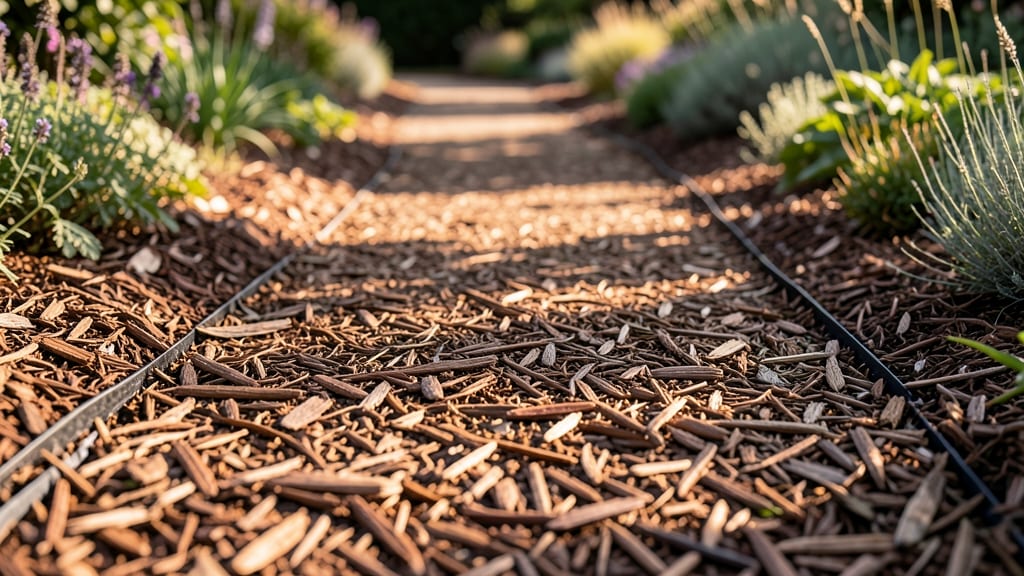
If you’ve ever struggled with patchy grass along pathways or borders, wood chip mulch is your secret weapon. Unlike thirsty lawns, these pathways suppress weeds, lock in moisture, and reduce evaporation—keeping your garden thriving with far less water. They’re especially perfect for areas where grass refuses to grow, like under trees or along steep slopes.
Start by laying down cardboard or landscape fabric to block weeds, then spread 3-4 inches of wood chips (hardwood or cedar lasts longest). Refresh the layer every 2-3 years to maintain coverage. The best part? These pathways stay cool underfoot, resist erosion, and even improve soil health over time by slowly decomposing.
Urban gardeners and busy homeowners will love how these pathways cut maintenance time while adding a natural, woodland feel to any yard. 🌿
Ground Cover Roses for Year-Round Color
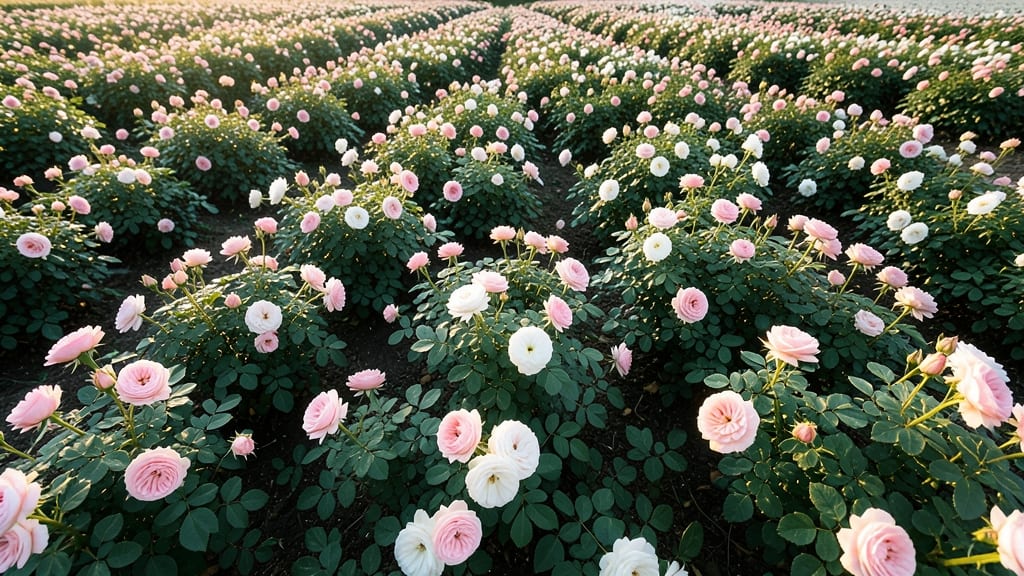
Skip the mowing and water bills with ground cover roses—these fragrant, low-growing varieties transform bare spots into blooming carpets that thrive on rainfall alone. Unlike traditional roses, varieties like 'Flower Carpet' and 'Green Ice' stay compact (just 12–18 inches tall) while producing nonstop blooms from spring through fall.
Plant them in full sun to partial shade and water deeply once a week for the first month, then let nature take over. Their dense growth suppresses weeds, and their sweet scent attracts pollinators while keeping deer and rabbits away. Perfect for cottage gardens, slopes, or under trees, they offer year-round interest with disease-resistant foliage.
Ideal for beginners or busy gardeners, these roses require no pruning beyond occasional tidying. Just add compost at planting, and enjoy a fragrant, blooming lawn substitute that outshines grass in beauty and ease. 🌷
Perennial Vegetable Gardens
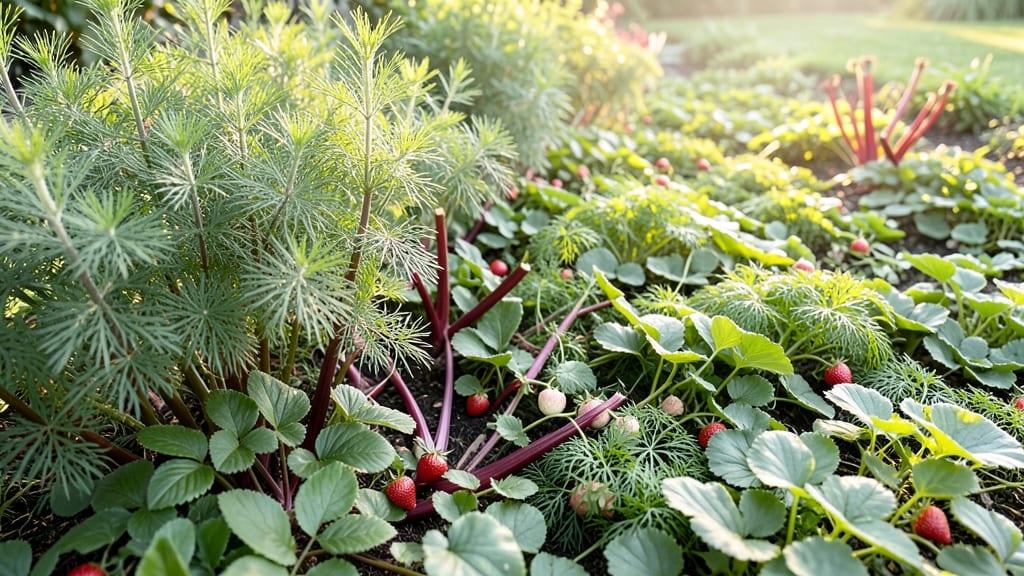
Why settle for a yard that’s just pretty when it can also feed you? Perennial vegetable gardens like asparagus, strawberries, and rhubarb turn your lawn into a productive, drought-resistant powerhouse—no irrigation needed once established.
These edible ground covers spread naturally, smothering weeds while producing food for years. Asparagus crowns thrive in 6 hours of sun and yield for 15+ years, while June-bearing strawberries spread into lush, berry-filled carpets with minimal care. Both handle drought once roots establish, and their deep green foliage stays attractive even when not fruiting.
Perfect for urban gardeners with small spaces or rural homesteaders wanting low-maintenance harvests, these plants blend beauty with bounty—no mowing, no watering, just year-round utility. 🌱
Xeriscaped Rock Gardens

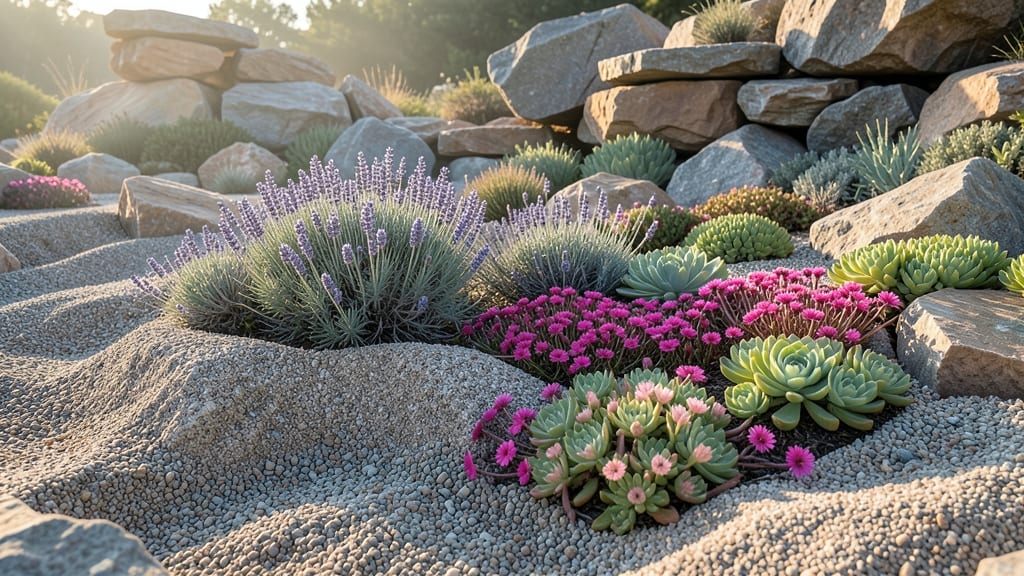
Skip the traditional lawn entirely and create a striking, modern oasis with xeriscaped rock gardens—a drought-proof design that thrives on sunlight and neglect. This low-water landscape uses native rocks and gravel as the foundation, paired with hardy plants like lavender, ice plant, or sedum to create a desert-inspired look that’s both bold and effortless.
Start by layering smooth river rocks in varying sizes for texture, then fill gaps with coarse gravel to prevent weeds. Plant drought-resistant perennials in clusters, spacing them to let sunlight reach the base. The key to success? Well-draining soil—amend heavy clay with sand or gravel if needed—and minimal watering after the first year. Once established, these gardens require almost no upkeep, making them perfect for busy homeowners or urban rooftops.
This design isn’t just for desert climates—it works beautifully in sunny suburban yards or even as a container garden on patios. The high-contrast colors and structured layout elevate any outdoor space while cutting water use by up to 75%. 🌟