
Lawn
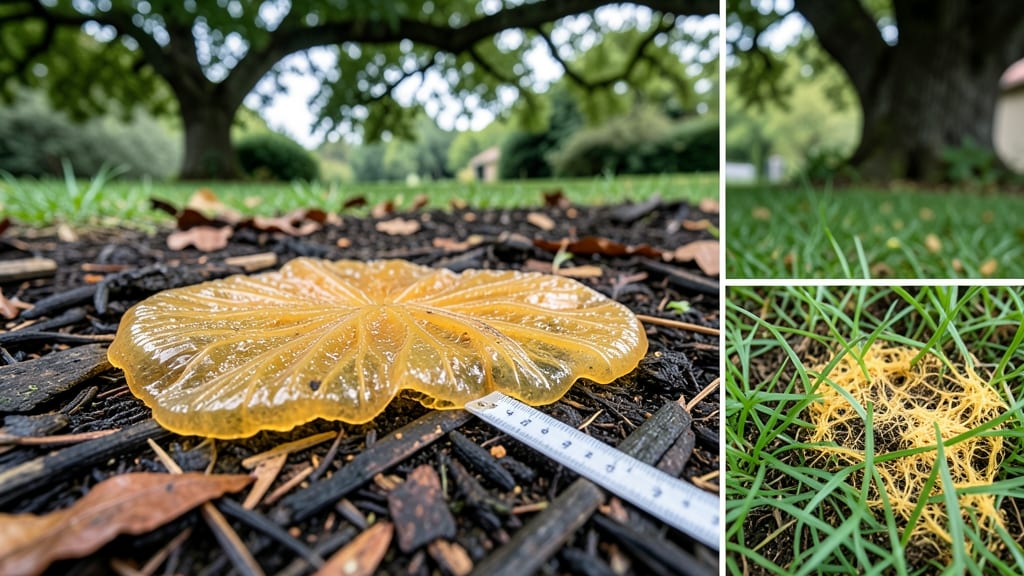
That strange, slimy yellow mess on your lawn isn’t algae—it’s slime mould, and baking soda and vinegar can banish it in 24 hours. 🌱 I’ve battled this gross fungal growth after heavy rain, and the solution is simpler (and cheaper) than fungicides.
No more scrubbing or waiting weeks for it to disappear—just a few household ingredients and a spray bottle.
Slime mould thrives when lawns stay damp too long, especially in shaded or poorly drained areas. It’s not harmful to grass, but it’s an eyesore that spreads fast. The key to stopping it? Drying it out while treating the fungal spores.
My yard went from slimy to spotless after one treatment, and the fix prevents regrowth for weeks.
You’ll mix equal parts vinegar and water with a teaspoon of baking soda per quart, then spray directly on the mould. The vinegar kills spores, while baking soda helps dry the lawn faster. Within a day, the slime disappears, and your grass stays green—no harsh chemicals needed.
Works for any lawn, whether you’re dealing with a small patch or a full yard takeover. The secret? Act fast after rain, and keep your lawn well-aerated to prevent future outbreaks. No more mystery goo ruining your perfect green space.
The Hidden Triggers Behind Slime
That glistening, jelly-like substance creeping across your lawn isn’t just unsightly—it’s a fungal party waiting to happen. But why does it show up in the first place?
The answer lies in a mix of moisture, decay, and the right conditions for Fuligo septica (the star of the slime show) to thrive. Let’s break down the real culprits turning your grass into a science experiment.
Slime moulds are water-loving opportunists. When your lawn stays soggy for days—whether from heavy rain, poor drainage, or overwatering—you’re basically rolling out a welcome mat. Here’s why:
- Spore activation: Slime mould spores lie dormant in soil until moisture triggers them. Think of it like a sponge absorbing water—once it’s wet, the spores wake up and start spreading.
- Decay acceleration: Wet conditions speed up the breakdown of organic matter (like fallen leaves or thatch). Slime mould feeds on this decaying material, using it as a buffet to grow and multiply.
- Oxygen deprivation: Compacted or waterlogged soil cuts off oxygen, creating the perfect anaerobic (low-oxygen) environment where slime moulds thrive.
Actionable fix: Improve drainage by aerating your lawn or redirecting water away from low spots. Water in the morning (not evening) to allow foliage to dry faster.
Leaves, grass clippings, and fallen twigs aren’t just yard waste—they’re slime mould’s favorite snacks. When organic matter piles up, it creates a moist, nutrient-rich hotspot where fungal spores can feast unchecked.
- Nutrient overload: Decaying plant material releases sugars and cellulose, which slime moulds digest like a gourmet meal. The more debris, the faster they grow.
- Moisture retention: Thick layers of mulch or thatch trap humidity, turning your lawn into a slime mould sauna.
- Shady microclimates: Debris under trees or shrubs stays damp longer, extending the slime’s growing season.
Actionable fix: Rake up leaves and clippings regularly, especially in fall. Consider a light mulching (¼-inch layer) instead of thick piles to reduce moisture traps.
Slime moulds are lazy—they don’t need sunlight or fresh air to spread. Dense grass, thick mulch, or overgrown plants create a stagnant environment where spores spread horizontally like a silent invasion.
- Low oxygen zones: Compacted soil or thick thatch suffocates beneficial microbes, giving slime moulds an edge. They don’t compete for resources; they consume them.
- Horizontal spread: Without airflow, spores hitchhike on water droplets or insects, colonizing new areas like a fungal domino effect.
Actionable fix: Mow high (3–4 inches) to improve airflow, and dethatch annually. Prune shrubs to let sunlight and breeze reach the soil.
Slime moulds are wimps in extreme weather but love mild, damp conditions. The ideal slime-mould weather?
| Factor | Slime Mould’s Happy Range | Why It Matters |
|---|---|---|
| Temperature | 50–75°F (10–24°C) | Cooler temps slow evaporation, keeping the lawn moist longer. Warmer air holds more humidity, feeding fungal growth. |
| Humidity | 70%+ | High humidity prevents soil from drying out, giving spores a 24/7 banquet. |
| Rainfall | 1+ inch in 24 hours | Heavy rain washes spores into the soil and triggers rapid germination. |
Actionable fix: Monitor your local forecast. If humidity is high, water less frequently but deeply to avoid prolonged dampness. Use a soil moisture meter to check before watering.
Pro tip: 💡 Slime mould is not a sign of dirty grass—it’s a sign of too much moisture in the wrong way. Adjusting these factors can make your lawn less of a slime buffet and more of a fungal desert.
Quick Fixes for Fungal Lawn Fungus
Slime mould on your lawn might look like a neon-green science experiment gone wrong, but don’t panic—it’s usually harmless and easy to clear up! The key is acting fast to restore your grass’s health and prevent it from returning.
Below, we’ve mapped out practical, step-by-step solutions based on the most common causes, plus prevention tips to keep your lawn lush and slime-free.
---
When: Heavy rain, overwatering, or compacted soil traps water, creating the perfect slime mould buffet.
How to Fix It: 🍳 Drain the Area - If your lawn is soggy, skip watering for 3–5 days to let excess moisture evaporate. Slime mould thrives in damp conditions, so drying it out is the first step. - Pro Tip: 💡 Use a garden fork or aerator to poke holes in compacted soil (about 3–4 inches deep) to improve drainage. This helps water absorb properly instead of pooling.
👨🍳 Adjust Your Watering Routine - Water deeply but infrequently—early morning (before 10 AM) is ideal to reduce evaporation and fungal growth. - Aim for 1–1.5 inches of water per week (including rain). Use a rain gauge or tuna can to measure.
🌡️ Improve Soil Aeration - Top-dress with compost or sand (50/50 mix) to loosen soil and encourage better water flow. - For severe cases, consider sand top-dressing (especially for clay-heavy lawns) to break up compaction.
---
When: Leaves, grass clippings, or thatched layers smother your lawn, trapping moisture and nutrients that feed slime mould.
How to Fix It: 🔪 Clear the Clutter - Rake or blow away thick layers of leaves, twigs, or clippings. Focus on shaded or low-traffic areas where debris piles up. - Pro Tip: ✨ Use a leaf blower with a vacuum setting to suck up debris instead of just pushing it around.
⏰ Mow High and Often - Set your mower to 3–4 inches to encourage deep roots and reduce thatch buildup. - Bag your clippings if your lawn is heavily thatched (or use them as mulch in gardens).
🌿 Aerate and Overseed - Aerate in fall to reduce thatch and let air/water penetrate the soil. - Overseed bare spots with a disease-resistant grass seed (like tall fescue or Kentucky bluegrass) to crowd out mould-friendly conditions.
---
When: Too much nitrogen (especially in synthetic fertilizers) creates a feast for slime mould, while poor soil health leaves grass weak and vulnerable.
How to Fix It: 📊 Test Your Soil - Grab a DIY soil test kit (or send a sample to your local extension office) to check pH and nutrient levels. - Ideal pH for lawns: 6.0–7.0. If it’s off, amend with lime (to raise pH) or sulfur (to lower it).
💪 Fertilize Smartly - Switch to organic fertilizers (like compost tea or slow-release granules) to avoid nitrogen spikes. - Apply in small doses: Use half the recommended rate in spring/fall, and skip fertilizing in summer when mould is most active. - Pro Tip: 🎯 Avoid fertilizing if rain is forecast—excess nutrients will just feed the slime mould!
🥗 Boost Soil Health - Spread ¼ inch of compost over the lawn in early spring or fall to improve microbial balance. - Plant clover or creeping thyme in thin spots—they fix nitrogen naturally and deter mould.
---
Once you’ve tackled the slime mould, stop it from coming back with these habits: - Mow regularly (never remove more than ⅓ of the grass blade at once). - Rake up debris weekly, especially after rain or mowing. - Aerate annually (spring or fall) to prevent compaction. - Water deeply but less often—early morning is best. - Avoid walking on wet grass (compresses soil and spreads spores). - Dethatch every 2–3 years if your lawn has a thick layer (over ½ inch).
--- Final Note: Slime mould is rarely harmful to grass, but it’s a sign your lawn needs a little TLC. With these fixes, your turf will bounce back greener and stronger—and you’ll be the neighbourhood lawn hero! 🌱
Frequently asked questions
Is lawn slime mould dangerous to my grass or pets?
No, slime mould is completely harmless to grass, pets, or people! It won't damage your lawn permanently, though it looks gross. Pets can walk on it safely—just wipe their paws afterward. The real issue is its rapid spread, which makes your yard look unkempt.
Why does slime mould always come back after treatment?
It returns when moisture conditions aren't fixed. If your lawn stays damp (from poor drainage, overwatering, or thick thatch), spores will reactivate. Focus on improving airflow, clearing debris, and adjusting watering habits to break the cycle.
Can I use vinegar alone to kill slime mould?
While vinegar helps, it's most effective when combined with baking soda. The vinegar kills spores, but baking soda helps dry the lawn faster. Use a 1:1 vinegar-water mix with 1 teaspoon baking soda per quart for best results.
How long does it take for slime mould to disappear after treatment?
With the right treatment, you'll see results in 24 hours—the slime will dry up and shrink. For complete removal, apply the solution twice (morning and evening) for 2 days. Prevention is key to stopping regrowth.
Will slime mould spread to my garden or flower beds?
It can spread to nearby organic matter like mulch or decaying leaves, but it rarely jumps to living plants. To prevent spread, clear away debris from garden edges and keep flower beds well-aerated. The mould prefers damp, shaded areas.