
Lawn
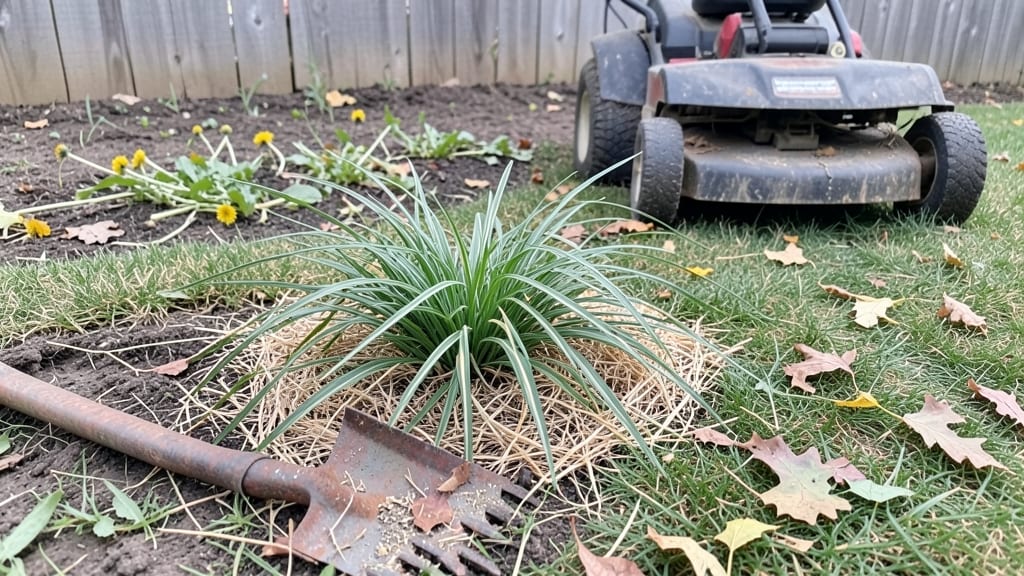
Skip the spring chaos—start with a simple lawn mowing and leaf clean-up to banish thatch and keep your mower running smoothly, so your yard stays lush all season. 🌱 I’ve spent years fighting thatch buildup and clogged mowers, but now I’ve got a system. that turns cleanup into a quick, effective job.
The difference between a yard that looks good and one that needs constant repair comes down to timing, the right tools, and knowing when to mulch instead of bagging.
You’ll need a sharp mower blade, a sturdy rake or leaf blower, and maybe a tarp for heavy leaf piles. A 3-in-1 mower saves time by mulching leaves right into the lawn, while a simple bagging attachment works if you’re composting.
The key is working in small sections—don’t let leaves pile up where they smother grass. Most yards can be tackled in under an hour if you stay organized, and you’ll avoid the dreaded mid-spring thatch layer that chokes out new growth.
By the time you’re done, your lawn will look fresh and even, with no hidden debris to trap moisture and invite pests. Mulched leaves feed the soil, while bagged leaves go straight to compost—no waste, just smart maintenance.
The real payoff? A yard that greens up faster in spring and stays resilient through summer heat. Let’s get that mower running and those leaves cleared the right way.
This method works for any yard size, whether you’ve got a half-acre or a small suburban lot. The same principles apply whether you’re dealing with oak leaves, pine needles, or a mix—just adjust your timing based on your climate.
Warmer regions can start earlier, while cooler zones should wait until temps stay above 50°F for a few days. Here’s how to do it without the usual headaches.
📚 In This Guide
- What you need
- Instructions
- Tips and common mistakes
- Wrapping up and next steps
What you need
- ● Lawn mower (gas-powered, electric, or battery-operated; ensure it’s sharpened and fuelled/oiled if applicable).
- ● Leaf rake (medium-sized, 18–24" wide, with sturdy tines for thick debris).
- ● Garden bags or trash bins (2–3 heavy-duty 30-gallon bags or a wheeled bin for easy disposal).
- ● Work gloves (durable, grip-enhanced, and cut-resistant for safety).
- ● Safety goggles (to protect against dust, debris, or flying leaves).
- ○ Knee pads or a small stool (optional but helpful for comfort during long sessions).
- ● Leaf blower (electric or backpack-style for faster cleanup on large yards).
- ● Wheelbarrow (for hauling heavy bags of leaves or mulch).
- ● String trimmer/weed whacker (if edging or trimming grass borders is needed).
- ● Pruners (for trimming overgrown branches or weeds before mowing).
- ● Mulching kit or compost bin (if repurposing leaves into mulch or compost).
- ● Water hose or spray bottle (to dampen dusty leaves or rinse tools afterward).
- ● Check the weather forecast—aim for a dry, wind-free day (leaves fly everywhere!).
- ● Clear yard hazards (toys, rocks, or debris) to avoid mower damage or injuries.
- ● Adjust the mower height to 2–3 inches for spring’s first cut (longer grass shades roots and retains moisture).
- ● Wear closed-toe shoes and long pants to protect against ticks, thorns, or sharp objects.
Instructions: how to mow and clear fallen leaves efficiently
Here's the quick method I use to prep my lawn for spring—no backbreaking work.
🪴 Step 1: Gather the Right Tools for Speed
Start with a sharp mower blade—dull blades tear grass instead of cutting cleanly, leaving ragged edges that invite disease. I always check mine before the first mow of the season. A stiff-bristled broom or leaf rake with wide tines handles debris better than lightweight tools, and a heavy-duty trash bag (20-gallon size) keeps leaves contained without tearing.
Wear sturdy shoes or cleats—wet leaves make grass slick, and you don’t want to slip. I keep a small handheld leaf blower nearby for stubborn piles, but only use it for 10-15 minutes at a time to avoid overworking the motor. The key is moving fast while staying steady.
☀️ Step 2: Mow First, Then Clear Leaves Strategically
Set your mower to its highest setting (usually 3-4 inches) to avoid scalping the grass. Mow in overlapping passes—this ensures even cuts and catches any missed spots. I always mow when the grass is dry (morning is best) so leaves don’t clump and jam the deck.
After mowing, rake leaves into piles along property lines or edges. Don’t bag them all at once—focus on clearing high-traffic areas first (like walkways and play zones). Wet leaves stick together, so work in dry spells if possible. If leaves are thick, use the rake to break them into smaller sections before bagging.
🌿 Step 3: Bag or Compost Leaves for a Clean Finish
For bagging, fill trash bags only halfway—leaves compress as you go, and overfilling leads to messy spills. I tie the bag loosely at first, then cinch it tight once full. If composting, shred leaves first (with a lawn mower or shredder) to speed decomposition. A thin layer of leaves (under ½ inch) can even mulch grass naturally—just avoid smothering it.
Check for hidden debris like branches or rocks before finalizing. I sweep the lawn one last time with a broom to catch stragglers. The goal is a uniform green carpet—no bare patches or leaf litter. This takes under an hour if you stay organized and work in sections.
✂️ Step 4: Sharpen Blades and Store Tools Properly
After cleaning up, wipe down the mower deck with a damp cloth to remove grass clippings—this prevents rust and keeps the blade sharp longer. I sharpen my blade every 10-12 hours of use during fall cleanup season. Store tools in a dry place (like a garage or shed) to avoid moisture damage.
Leave the mower facing forward with the blade pointing up—this prevents oil leaks and makes the next start-up easier. I also oil the blade hinge if it’s stiff, using a few drops of 3-in-1 oil. A little maintenance now means fewer headaches when spring mowing begins.
Tips & tricks for perfect lawn mowing leaf clean up
Real talk: Fall cleanup can turn into a nightmare if you don't plan ahead. Here's how to make it feel like a breeze—just like I do every year.
The Tool Setup: Your handheld leaf blower is your secret weapon, but don't overdo it. Those 10-15 minutes of use per session prevent overheating and extend its life. I keep mine ready in the garage so I can grab it whenever I spot stubborn piles. Also, invest in a 20-gallon heavy-duty trash bag—they hold more than you think, and you won't be changing bags every 5 minutes.
Mowing Strategy: In Step 2, when you're setting that highest mower height (3-4 inches), remember this: taller grass handles leaves better. It acts like a natural barrier, preventing leaves from smothering your lawn. And always mow dry grass—wet clippings clump with leaves and create a messy sludge that sticks to everything.
Bagging Hack: That "fill only halfway" rule in Step 3 is non-negotiable. I've learned this the hard way—overfilled bags split when you lift them, and suddenly you're dealing with a leaf avalanche. Tie them loosely at first, then tighten as you go. For extra security, I fold the bag's top down twice before tying to prevent spills.
Long-Term Maintenance: Don't wait until your blade is dull to sharpen it. I make it a habit to check my blade's sharpness every 10-12 hours of use during fall season. A sharp blade means cleaner cuts, less stress on your mower, and a lawn that looks professionally maintained. Plus, it saves you time in the long run—no need to mow twice because the first pass was messy.
Pro Tips for Lawn Mowing Leaf Clean Up
- Real talk: Fall cleanup can turn into a nightmare if you don't plan ahead.
- The Tool Setup: Your handheld leaf blower is your secret weapon, but don't overdo it.
- Mowing Strategy: In Step 2, when you're setting that highest mower height (3-4 inches), remember this: taller grass handles leaves better.
Frequently asked questions
Got questions about tackling lawn mowing and leaf cleanup like a pro?
Here are some of the most common ones—plus quick, no-nonsense answers to save you time and hassle.
When is the best time to mow and clean up leaves in spring?
The ideal window is early spring (March–April, depending on your climate) when leaves are dry but haven’t yet blanketed your yard. Mow first to remove dead grass, then rake or blow leaves into piles for mulching or disposal. Avoid mowing wet grass—it clumps and tears your blades!
Should I mulch leaves or bag them for cleanup?
It depends! Mulching (chopping leaves into small pieces) feeds your soil with nutrients as they decompose—perfect for lawns. Bagging is better for thick layers (over 3 inches) or if you’re composting elsewhere. Use a mulching mower or leaf vacuum for efficiency!
How can I speed up leaf cleanup without breaking my back?
Skip the old-school rake! Invest in a leaf blower (gas or electric) or a leaf vacuum to suck up debris in minutes. For small yards, a grabbag (a bag-on-a-stick) is a game-changer. Pro tip: Work in sections and dump leaves into piles as you go to avoid backtracking.
Why does my mower keep clogging with leaves during cleanup?
Leaves are sneaky culprits! Sharpen your mower blades first—dull blades tear leaves into unmanageable clumps. Use a leaf-catching bag or a mulching setting if your mower supports it. For stubborn jams, stop the mower, remove debris, and check the deck for hidden leaves.
Can I skip leaf cleanup if I’m overseeding my lawn?
Not ideal! A thick layer of leaves (over 1 inch) can smother grass seeds and prevent sunlight from reaching new growth. Rake or blow leaves into rows between seeding passes, then lightly cover seeds with soil. Thin layers (<½ inch) can decompose naturally, but monitor for mold or pests.
Is hiring a service worth it for spring leaf cleanup?
Crunch the numbers! For small yards (under ½ acre), DIY is usually cheaper (tools + time). For larger properties or if you’re short on time, pros charge $0.50–$2 per sq. ft. Weigh convenience against cost—some services offer discounts for bundling mowing + cleanup!
Wrapping up and next steps
Keeping your yard tidy with lawn mowing and leaf cleanup doesn’t have to be a daunting task—especially when you’re armed with the right tools and techniques!
A well-maintained lawn not only boosts curb appeal but also saves you time and effort in the long run. 🌿✨ Whether you’re prepping for spring or just staying on top of seasonal chores, a little consistency goes a long way.
Ready to tackle your yard with confidence? Grab your gear, follow the steps, and enjoy the satisfaction of a fresh, green space in no time! For extra efficiency, consider scheduling your next cleanup session—your future self will thank you. 🚀