
Pests
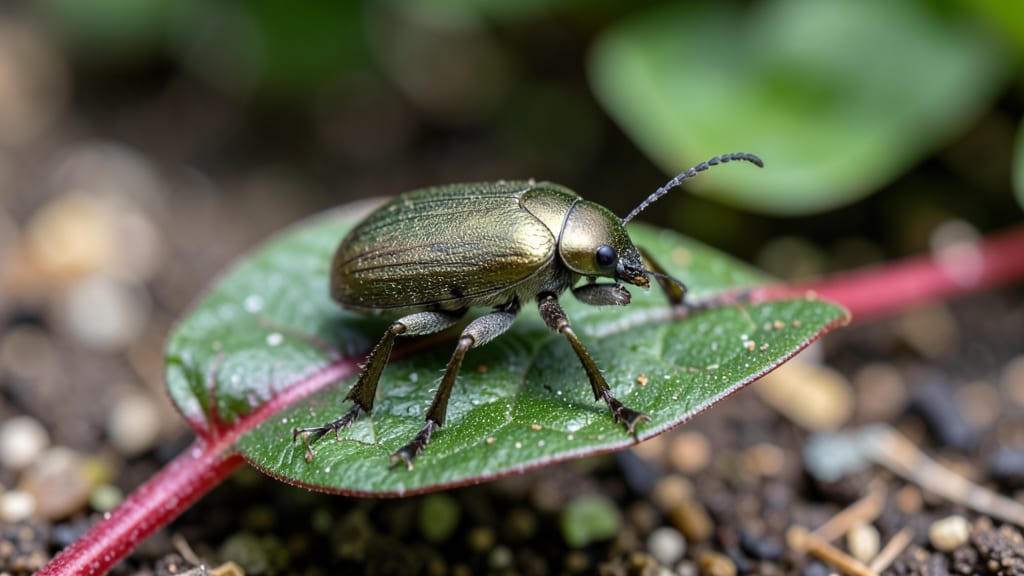
Lawn grub beetles turn your lush green lawn into a patchwork of brown death zones faster than you can say "mower blade." 🌱 The key to stopping them isn't just treating symptoms—it's understanding their sneaky lifecycle so you can attack them at the most vulnerable stage.
These white, C-shaped larvae chew through grass roots for months before pupating underground, often going unnoticed until you see those telltale patches. I've seen entire lawns collapse overnight because homeowners treated the wrong stage—adult beetles are harmless, but their larvae? They're the real lawn assassins.
By targeting the larvae with the right timing and methods—whether organic nematodes or targeted chemical treatments—you can restore your lawn's health within 4-6 weeks. The secret is acting fast once you spot those first brown patches. Works for both organic gardeners and those who prefer conventional solutions.
Here's how to break their lifecycle for good.
Root Causes Of Lawn Grub Damage
Grubs—those creeping, C-shaped larvae of beetles—don’t just appear out of nowhere. Their presence in your lawn is the result of a deliberate invasion by adult beetles, followed by a highly predictable lifecycle that turns your grass into an all-you-can-eat buffet.
Understanding why these pests thrive in your yard means recognizing the conditions they love and how they exploit them. Here’s a breakdown of the key factors that turn your lawn into a grub hotspot.
Grubs aren’t picky—they’ll feast on any lush, soft grass. But when your lawn gets too much water or nitrogen-rich fertilizer, it becomes a magnet for these pests. Here’s why:
- Excess moisture softens the soil, making it easier for grubs to burrow and feed just below the surface.
- Over-fertilization (especially with fast-release nitrogen) triggers rapid grass growth, which grubs adore as a food source.
- Warm, damp conditions in late spring to early summer create the perfect hatching environment for beetle eggs.
Actionable fix: Adjust your watering schedule to 1–1.5 inches per week (including rain) and switch to slow-release, balanced fertilizers (like 16-4-8 or 20-5-10). Grubs will still come, but a healthier lawn resists damage better.
The grubs you’re battling today are the offspring of beetles that laid eggs in your lawn last summer or early fall. Here’s the timeline:
- May–July: Adult beetles (like Japanese beetles or June bugs) emerge at dusk, feed on leaves, and mate.
- Late June–August: Females lay eggs 1–2 inches deep in warm, moist soil.
- August–October: Eggs hatch into grubs, which immediately start feeding on grass roots.
If your lawn has thin patches or bare spots in late summer, it’s a red flag—grubs are already munching away. Peak activity occurs when soil temps hit 70–85°F, which is why southern lawns often see worse infestations.
Grubs target stressed grass first. If your lawn is already struggling due to:
- Compacted soil (restricts root growth, making grass vulnerable).
- Drought or heat stress (weakens roots, making them an easy snack).
- Thatch buildup (creates a cozy, hidden layer for grubs to hide).
Healthy grass with deep roots can tolerate some grub feeding, but once roots are severed, the grass pulls up like sod—a classic grub damage sign.
Actionable fix: Aerate annually to relieve compaction, overseed with grub-resistant grasses (like tall fescue or Kentucky bluegrass), and mow high (3–4 inches) to shade roots and deter beetles.
Grubs thrive in cooler, damper areas of your lawn—think:
- North-facing slopes (stay shady and retain moisture longer).
- Low spots where water pools after rain.
- Under trees or shrubs (organic matter from leaves creates a grub-friendly buffer).
These zones stay consistently moist, which is critical for egg survival and larval growth. If you notice grubs clustering in one area, check for hidden moisture traps like buried roots or poor drainage.
Actionable fix: Improve drainage with sand topdressing or French drains, and mulch heavily (but not too close to grass) to reduce beetle egg-laying sites.
Grubs don’t choose your lawn randomly—they’re drawn by opportunity. By addressing these root causes, you’re not just treating symptoms; you’re removing the welcome mat for future infestations.
How to Fix Lawn Damage Fast
When grubs take over your lawn, quick action is key to saving your grass—before it turns into a patchy, brown mess. The good news? You don’t need harsh chemicals or expensive treatments to win this battle.
Below, we break down the best fixes based on the root cause of your problem, plus smart prevention tips to keep grubs from crashing your yard again.
Before diving into fixes, confirm what you’re dealing with. Grubs cause:
- Thin, patchy lawns (grass pulls up easily)
- Moles or birds digging (they’re snacking on grubs!)
- Yellowing or wilting grass (roots are starved)
If you’ve spotted these signs, it’s time to act.
🐛 Severe Grub Infestation (Visible Damage)
Fix: Milky Spore or Beneficial Nematodes (Best for organic control)
- How to do it: Apply milky spore powder (a natural bacteria that targets grubs) or beneficial nematodes (microscopic worms that kill grubs on contact).
- When to apply: Early evening (grubs are active) or after watering.
Reapply every 4–6 weeks if needed. - Pro tip: 💡 Mix milky spore with water and spread evenly over affected areas. For nematodes, follow package instructions for soil moisture—too dry, and they won’t work!
Alternative: Neem Oil Spray (For light infestations)
- How to do it: Mix neem oil with water and a drop of dish soap (as a surfactant). Spray directly on grubs or soil where they’re hiding.
- When to apply: Late afternoon to avoid burning grass. Reapply every 2 weeks until grubs are gone.
🌱 Weak or Stressed Grass (Grubs Moving In)
Fix: Strengthen Your Lawn First Grubs love weak grass. Boost your lawn’s health to make it less appealing: - Aerate the soil (🔪👨🍳 Step 1) – Rent an aerator or use a garden fork to poke holes 3–4 inches deep.
This helps roots breathe and makes it harder for grubs to hide. - Overseed thin areas (🌱 Step 2) – Spread grass seed over bare spots and lightly rake in.
Water gently to keep soil moist for 2–3 weeks. - Fertilize properly (📊 Step 3) – Use a low-nitrogen, high-potassium fertilizer to encourage deep roots. Grubs hate healthy turf!
Prevention boost: 🌡️ Mow high (3–4 inches) to shade out weeds and discourage beetles from laying eggs.
🐿️ Moles or Birds Digging Up Your Lawn
Fix: Remove the Grubs, Not the Critters! Moles and birds are just cleaning up your grub problem—don’t shoo them away!
Instead: - Set up a trap for grubs first (use milky spore or nematodes, as above). - Distract moles naturally (✨ Pro tip): Plant mole-repellent flowers like daffodils or marigolds nearby.
Sprinkle castor oil granules around the yard’s edge. - For birds: Set up a temporary bird feeder away from your lawn to give them an alternative snack spot.
🚨 Last Resort: Chemical Treatments
If organic methods aren’t cutting it, imidacloprid or trichlorfon-based grub killers (like Bayer Advanced Grub Killer) can work fast. But use them only as a last resort—they can harm bees and beneficial insects. - How to apply: Follow label instructions carefully.
Water the lawn lightly after treatment to help the chemical penetrate the soil. - Warning: 🎯 Avoid overapplying—this can kill helpful soil organisms and lead to resistance.
Once you’ve kicked the grubs out, keep them from moving back in with these year-round strategies:
- 🌿 Maintain a thick, healthy lawn – Grubs avoid dense grass. Mow regularly, water deeply but infrequently (1–1.5 inches per week), and fertilize in early fall.
- 🕷️ Encourage natural predators – Ladybugs, ground beetles, and birds love grubs. Plant native flowers and avoid pesticides that harm them.
- 🕯️ Apply milky spore annually – Even if you don’t see grubs, a light dusting in early spring or fall builds up natural protection over time.
- 🗓️ Time your treatments – Grubs hatch in late spring to early summer.
Apply nematodes or milky spore in June for the best results. 5. 🚫 Avoid overwatering – Wet soil attracts beetles looking to lay eggs. Water only when the top 2 inches of soil are dry.
With the right approach, your lawn can bounce back faster than you think. Start with the fix that matches your problem, then lock in those prevention tips to keep your grass lush and grub-free for good! 🌱💪
Frequently asked questions
What do lawn grub beetle larvae actually look like?
Grub larvae are white, C-shaped creatures about ½–1 inch long with brown heads. They have six legs and a segmented body that looks like a tiny, plump worm. Look for them in moist soil when you pull up dead grass patches—they’ll wiggle away when exposed to light.
How do I know if my lawn damage is from grubs or something else?
Grubs cause thin patches where grass pulls up easily (like sod), often with moles or birds digging nearby. Other signs: yellowing grass that recovers when watered, and white grubs in the soil. For comparison, fungus damage looks like circular brown rings, while drought stress affects the entire lawn uniformly.
Can I use coffee grounds to repel grub beetles?
Coffee grounds can help short-term by slightly repelling adult beetles, but they won’t kill grubs already in the soil. For better results, mix 1 cup coffee grounds with 1 gallon water and spray on lawn edges—but focus on milky spore or beneficial nematodes for actual grub control.
Why do grubs seem to disappear after treatment?
Grubs may seem gone because they pupate into beetles (usually in late summer) and fly away. However, if you see new brown patches later, it means adult beetles laid fresh eggs. Consistent treatments (like nematodes every 4–6 weeks) are key to breaking their lifecycle.
Are there any grub-resistant grass types?
Yes! Tall fescue and Kentucky bluegrass have deeper roots that grubs struggle to reach. For new lawns, mix these with fine fescue (which recovers faster). Overseeding with these varieties can help crowd out grubs over time.