
Lawn
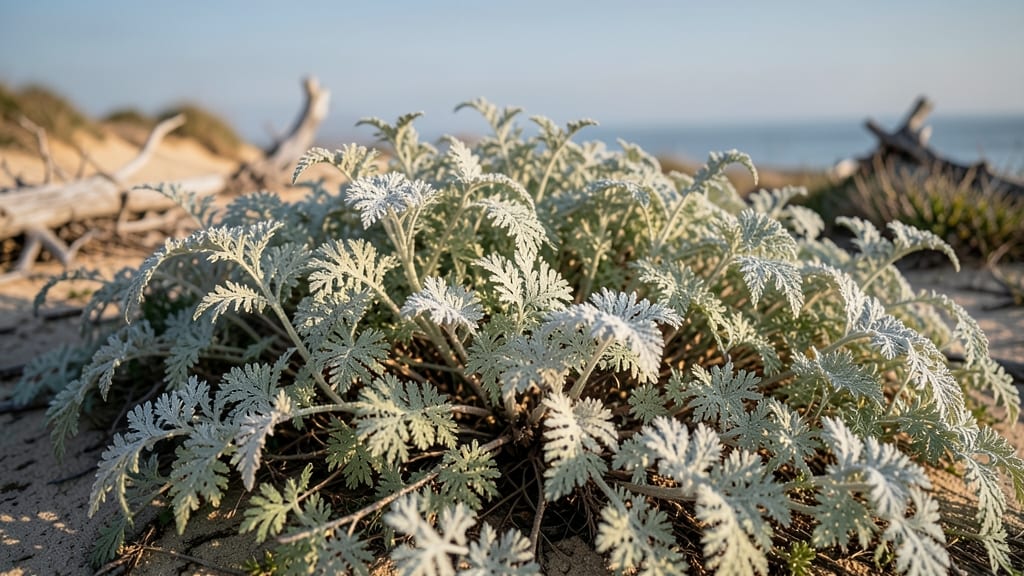
Tired of mowing, watering, and patching bare spots? These 10 shade-tolerant ground cover plants transform dull lawn areas into lush, green carpets that thrive with minimal effort—while suppressing weeds and reducing erosion.
Creeping Jenny (Lysimachia nummularia)
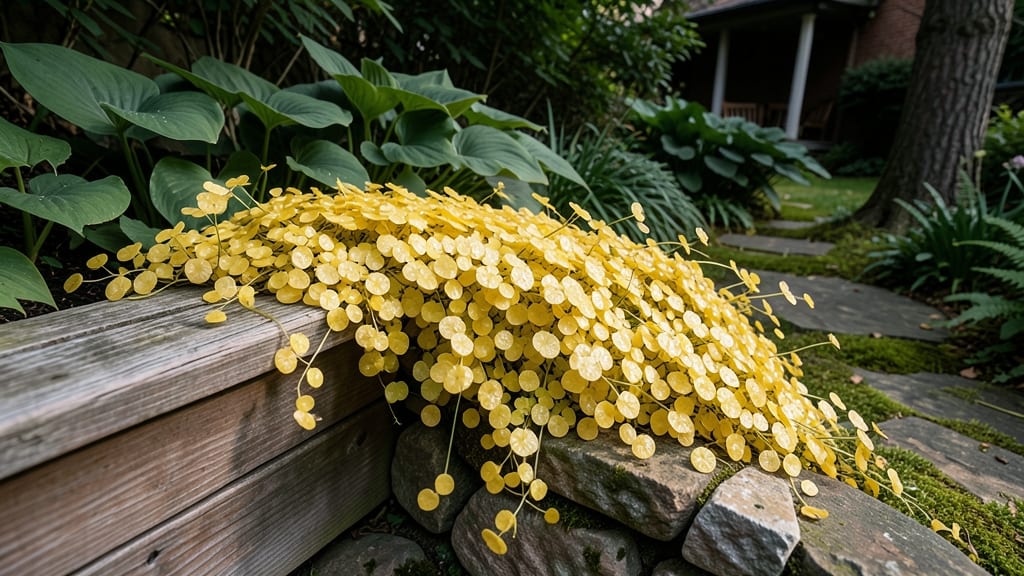
Struggling to find a low-maintenance ground cover that thrives in shady spots while adding a pop of color? Creeping Jenny (Lysimachia nummularia) is your answer—its bright golden foliage cascades beautifully over edges or containers, creating a sunlit contrast even in the darkest corners of your garden.
This versatile plant spreads quickly to outcompete weeds, making it ideal for shady lawn areas where grass struggles. It handles part shade to full shade and prefers moist but well-drained soil—perfect for under trees or along foundations. Simply divide clumps every few years to keep it contained, and watch as it transforms bare spots into a lush, golden-green carpet.
Urban gardeners and beginners will love how Creeping Jenny requires almost no upkeep once established, while its trailing habit adds texture and movement to containers or rock gardens. 🌱
Sweet Woodruff (Galium odoratum)
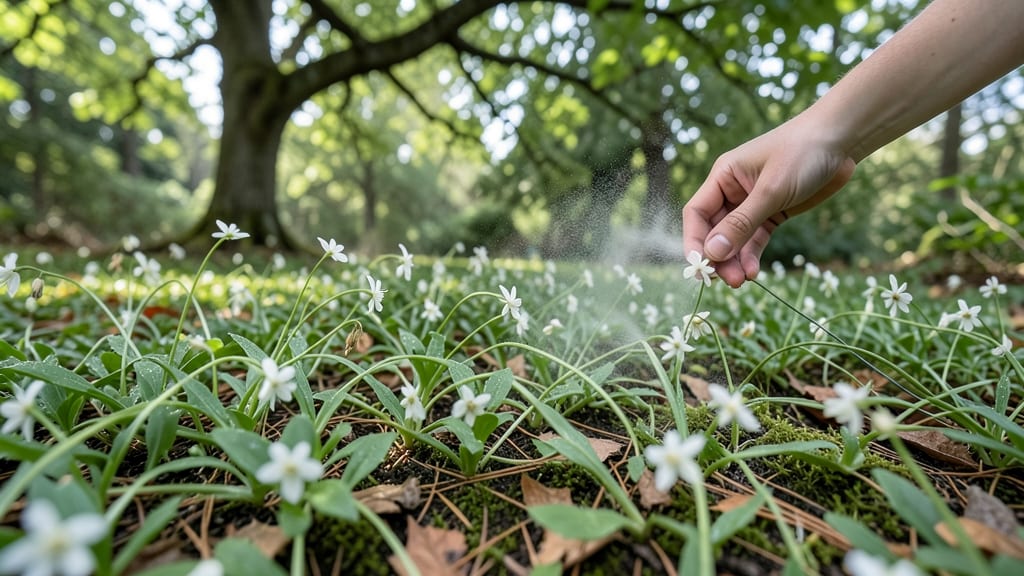
Looking for a ground cover that smells as good as it looks? Sweet woodruff (Galium odoratum) delivers a vanilla-like fragrance when crushed, making it a sensory delight for woodland gardens or under fruit trees. Its delicate white star-shaped flowers bloom in late spring, adding a touch of elegance without overwhelming the space.
This shade-loving perennial spreads gently (about 6-12 inches per year) and thrives in moist, well-drained soil, making it ideal for areas where other plants struggle. The fragrant foliage also repels pests like slugs and ants, protecting nearby plants naturally. It’s perfect for low-maintenance areas where you want both beauty and function.
Sweet woodruff is especially great for beginner gardeners or those with woodland-style gardens, as it requires minimal care once established. Plant it in clusters for a lush, fragrant carpet that spreads effortlessly. 🌿
Hosta Varieties (Hosta spp.)
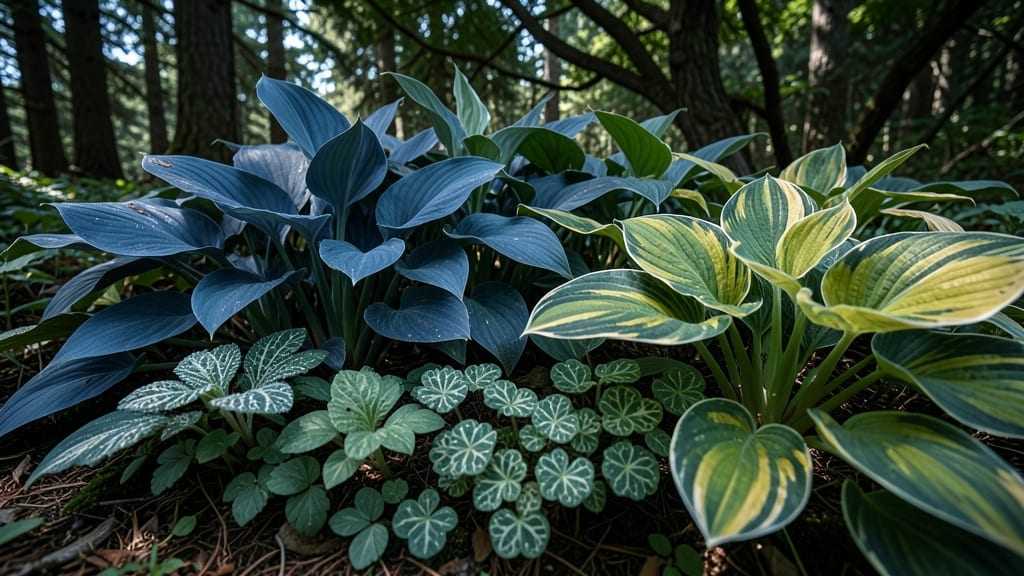
Want a low-maintenance ground cover that thrives in deep shade while adding bold color and texture? Hostas are the ultimate workhorse for shady lawns, offering foliage in every shade—from deep blue to chartreuse—plus variegated patterns that catch the light.
For tight spaces, opt for dwarf varieties like 'Blue Mouse Ears' (12" tall) or 'Pandora' (18" tall), while larger types like 'Halcyon' or 'Francee' create dramatic focal points in shady corners. Hostas prefer moist, well-draining soil and partial to full shade, making them perfect under trees or along north-facing foundations. Divide clumps every 3-4 years to keep them vigorous.
These shade stars are ideal for gardeners who love year-round interest with minimal upkeep—just watch for slugs in humid climates! 🌿
Liriope Muscari (Lily Turf)
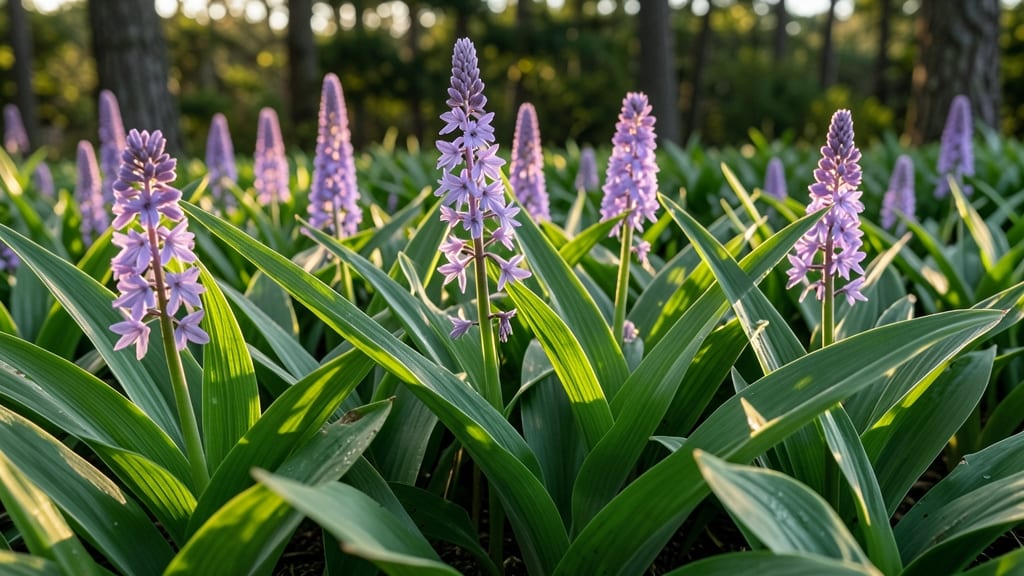
Say goodbye to watering, mowing, and deer-damaged lawns—Liriope Muscari (Lily Turf) delivers a low-maintenance, grass-like ground cover that thrives where traditional lawns fail. This hardy perennial forms dense clumps with striking sword-shaped leaves and produces cheerful purple flower spikes in late summer, adding vertical interest without the upkeep.
Once established, it’s drought-tolerant and handles foot traffic, making it perfect for pathways or replacing high-maintenance lawns. Deer typically avoid it, and it spreads slowly enough to control without becoming invasive. Plant in full sun to partial shade for best results, and mulch lightly to retain moisture while it establishes.
Ideal for urban gardeners, busy homeowners, or anyone tired of lawn chores, Lily Turf offers year-round greenery with minimal effort. 🌱
Ajuga (Bugleweed)
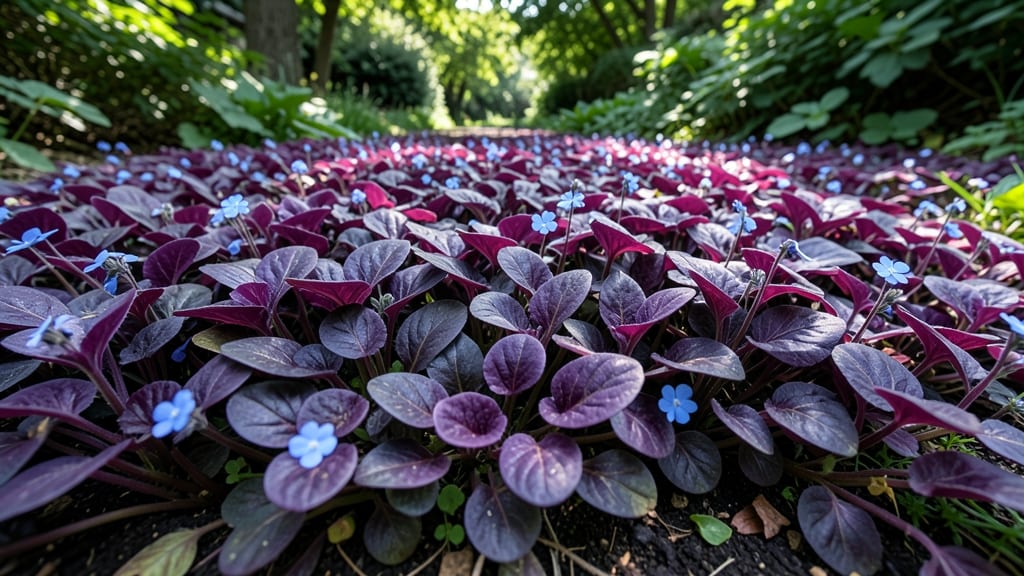
If you're looking for a bold, no-nonsense ground cover that turns shady patches into vibrant purple carpets, ajuga (bugleweed) delivers with its striking foliage and weed-smothering spread. This hardy perennial thrives in partial to full shade and handles everything from dry slopes to damp woodland edges—making it a workhorse for erosion-prone areas.
Ajuga's deep purple leaves create a stunning contrast against green moss or mulch, while its blue flower spikes in spring add vertical interest. The key to controlling its spread is strategic placement: plant it in contained beds or along borders where it can spread naturally without overrunning prized plants. It's also deer-resistant and drought-tolerant once established.
Perfect for gardeners who want low-maintenance beauty with high impact, ajuga is especially valuable for understory planting where other ground covers might struggle. Its ability to suppress weeds while adding color makes it a standout choice. 🌻
Pachysandra Terminalis (Japanese Spurge)
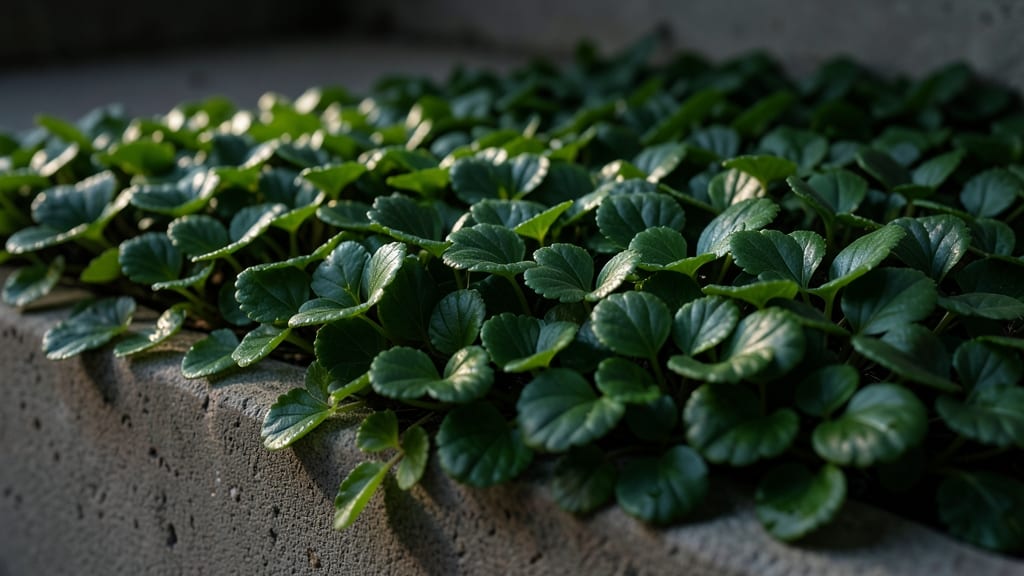
If you’ve ever struggled to keep grass alive under dense shade or along foundation edges, Pachysandra terminalis is your game-changer. This evergreen ground cover thrives where sunlight barely reaches, forming a dense, weed-blocking carpet that stays green year-round—no mowing, no patchy spots.
Native to woodlands, it handles deep shade beautifully and spreads slowly but steadily to fill gaps. Plant it in well-drained soil under trees, along fences, or near sidewalks where its glossy leaves create a polished look. A light mulch helps retain moisture, but once established, it’s drought-tolerant and nearly maintenance-free.
Perfect for beginners or busy gardeners, Pachysandra terminalis turns problem areas into lush, low-maintenance greenery with minimal effort. 🌿
Wild Ginger (Asarum europaeum)
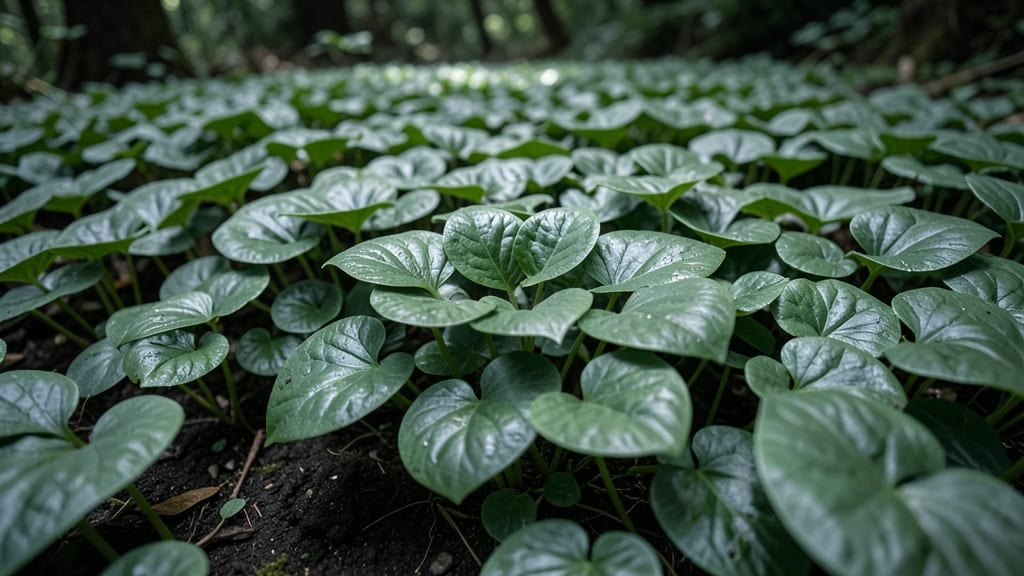
Looking for a ground cover that adds sensory delight to your shade garden? Wild ginger (Asarum europaeum) delivers with its heart-shaped leaves and surprising spicy fragrance when crushed—like a natural air freshener for your garden.
This slow-spreading perennial thrives in partial to full shade, making it perfect for woodland gardens or beneath shrubs. Its dense foliage suppresses weeds while creating a textured carpet that contrasts beautifully with ferns and hostas. Water moderately during establishment, then let its deep roots handle drought once settled.
Wild ginger is ideal for gardeners who want low-maintenance elegance with a sensory twist—especially those with shady spots where other plants struggle. 🌿
Foamflower (Tiarella cordifolia)
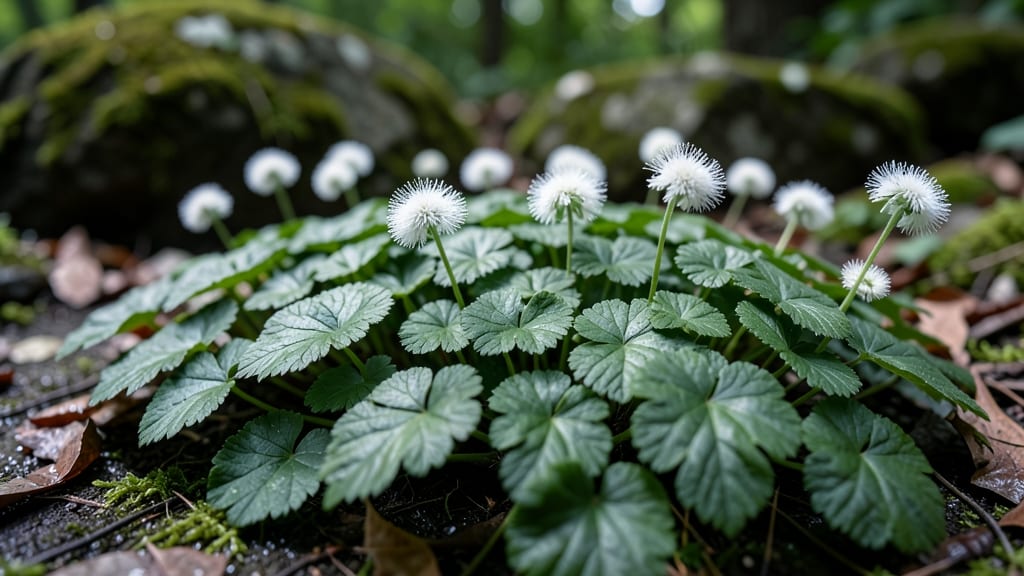
Looking for a shade-loving ground cover that adds ethereal beauty without the fuss of high-maintenance lawns? Foamflower (Tiarella cordifolia) brings delicate, fern-like foliage and frothy white spring blooms to moist, shady spots where other plants struggle.
This perennial gem thrives in partial to full shade and moist, well-draining soil—ideal for under trees, along foundations, or near ponds. Its airy texture creates stunning contrast when paired with hostas or ferns, while its slow-spreading habit keeps it contained without crowding neighbors. Deadhead spent blooms to encourage more foliage, and enjoy its year-round interest as the leaves turn bronze in fall.
Perfect for gardeners who love woodland charm and texture, foamflower adds softness and movement to shady beds while requiring almost no care. 🌿
Coral Bells (Heuchera spp.)
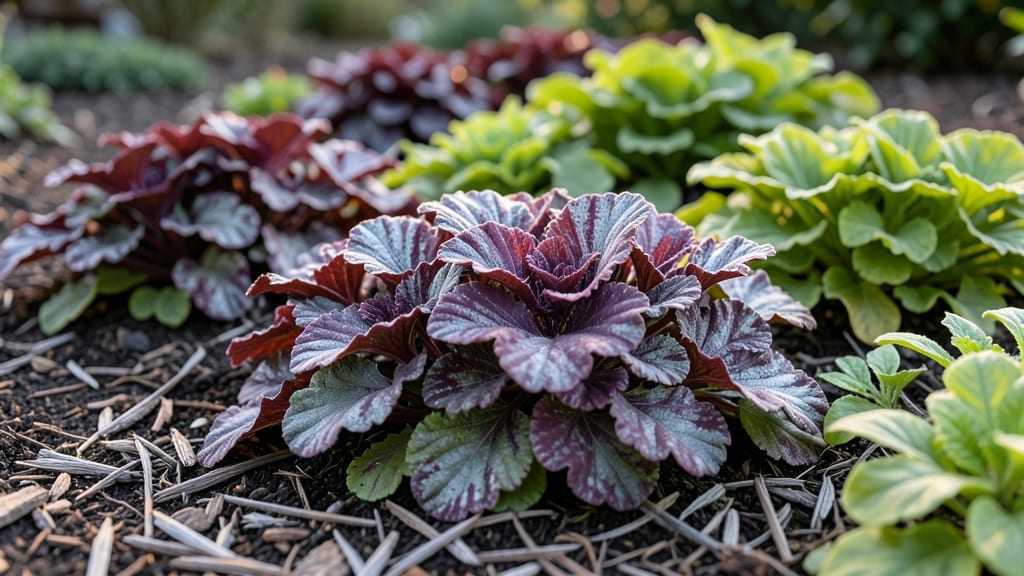
Looking for a ground cover that adds color and texture without stealing the spotlight? Coral Bells (Heuchera spp.) deliver bold foliage in shades of purple, silver, or lime green, thriving in partial shade where many plants struggle.
These perennials offer versatility—plant low-growing varieties like 'Palace Purple' for a dense ground cover or mix them with hostas and ferns for a layered, modern look. They prefer well-drained soil and tolerate dry spells once established, making them ideal for urban gardens or shady borders.
Perfect for gardeners who want year-round interest with minimal fuss, Coral Bells also attract pollinators with their delicate summer blooms. 🌿
Sweet Fern (Comptonia peregrina)

If you crave a fragrant, textured ground cover that thrives in dry shade or coastal conditions, sweet fern (Comptonia peregrina) delivers without the fuss of fast-spreading invasives. This native shrub’s silvery-green, fern-like foliage adds subtle elegance while its spicy-sweet scent—released when crushed—repels pests naturally.
Unlike aggressive spreaders, sweet fern grows slowly (about 12 inches per year), making it ideal for low-maintenance borders or understory plantings. It tolerates poor, sandy, or rocky soils and even handles salt spray, perfect for seaside gardens. Prune lightly in late winter to maintain its rounded shape and encourage denser growth.
For gardeners seeking drought-resistant texture without overwhelming competition, sweet fern is a quiet hero—especially in coastal or woodland gardens where its delicate structure softens harsh edges. 💚