
Lawn
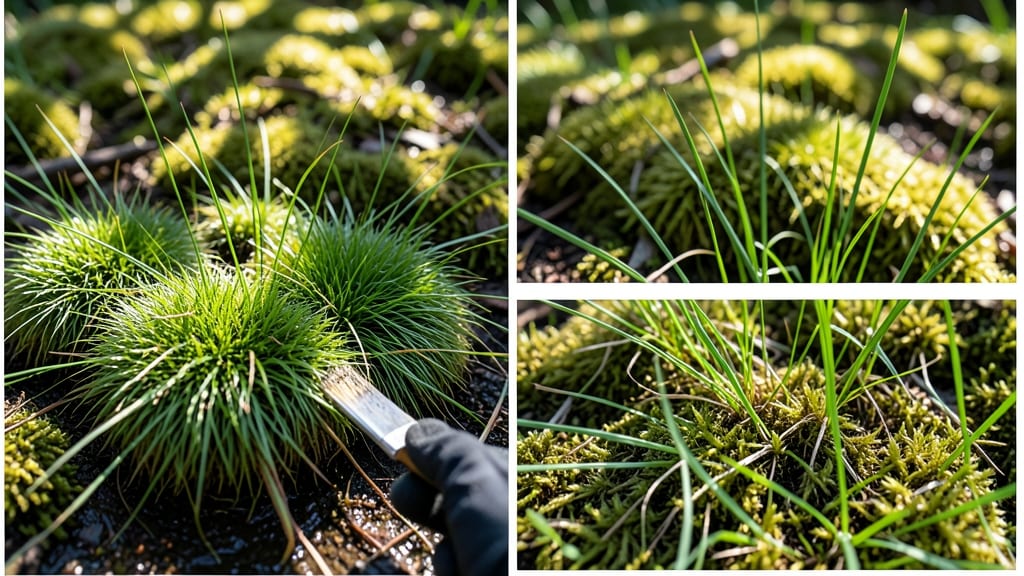
A lawn full of moss isn’t just unsightly—it’s a cry for help from your grass. 🌱 I’ve battled this velvety green invader in my own yard, and the fix isn’t about brute force but understanding why it’s there in the first place.
Moss thrives where grass struggles, often signaling poor drainage, compacted soil, or acidic conditions.
The good news? You don’t need harsh chemicals to win this fight. Start with aeration to break up compacted soil, then adjust your lawn’s pH with lime if needed—most moss problems stem from soil that’s too acidic.
Overseed with moss-resistant grasses like tall fescue or Kentucky bluegrass, and you’ll crowd out those soft patches for good.
Within 4-6 weeks, you’ll see thicker grass pushing back against moss, especially if you combine these steps with proper watering (deep but infrequent) and regular mowing at the right height.
The key is consistency—moss won’t disappear overnight, but with the right approach, your lawn will reclaim its lush, green identity.
Works for shady lawns, clay-heavy soil, or even neglected patches—no matter the challenge, these steps are your foolproof way to restore a vibrant yard. Let’s get started with the right moves for your specific conditions.
The Hidden Triggers Behind Moss Growth
Moss thrives in lawns like an uninvited guest—silent, persistent, and often misunderstood. While it may seem like a harmless green carpet, its presence is a clear signal that something’s off with your turf’s health.
Below, we break down the real culprits behind a lawn full of moss, backed by science and actionable insights.
---
Moss loves moisture, but it really loves excessive, stagnant water. Unlike grasses, moss doesn’t need deep roots—it thrives in shady, damp conditions where water pools or drains slowly.
- Why it happens: - Compacted soil (from foot traffic or heavy machinery) prevents water from absorbing properly, creating a soggy layer where moss spores germinate. - Clay-heavy soils hold water like a sponge, while sandy soils drain too quickly—both can leave moss-friendly microclimates. - Poor grading (slopes directing water toward low spots) turns certain areas into permanent bogs.
- Actionable fix: - Test your soil’s drainage with a simple percolation test: Dig a 12-inch hole, fill it with water, and time how long it takes to drain.
If it’s slower than 4 hours, you’ve got a drainage issue. - Aerate compacted areas in fall or early spring to break up soil and improve water flow. - Consider sand topdressing (for sandy soils) or gypsum (for clay) to adjust texture.
---
Grass needs sunlight to photosynthesize and outcompete weeds—or moss. When your lawn is shaded for more than 6–8 hours a day, moss becomes the dominant green.
- Why it happens: - Trees, buildings, or fences block sunlight, reducing grass’s ability to grow thickly. - Moss spores (which are everywhere in the air) land on bare soil and thrive where grass struggles. - Thin or weak grass leaves gaps that moss fills like a living carpet.
- Actionable fix: - Prune overhanging branches to let at least 4–6 hours of direct sunlight reach the lawn. - Plant shade-tolerant grasses like fine fescue or creeping red fescue in problem areas. - Overseed thin patches in early fall to thicken grass before moss takes over.
---
Moss prefers acidic soil (pH 4.5–6.0), while most lawn grasses (like Kentucky bluegrass or Bermuda) thrive in neutral to slightly alkaline soil (pH 6.0–7.5).
- Why it happens: - Organic matter (like fallen leaves or pine needles) decomposes and lowers pH over time. - Over-fertilizing with high-nitrogen, low-lime fertilizers can acidify soil further. - Rainwater (especially in regions with acidic precipitation) gradually leaches away alkaline minerals.
- Actionable fix: - Test your soil’s pH with a home kit or send a sample to a local extension office. - If pH is below 6.0, apply pelletized lime in early fall (follow package rates for your lawn size). - Avoid over-fertilizing—stick to a balanced NPK ratio (e.g., 16-4-8) and follow seasonal guidelines.
--- Moss doesn’t just appear—it replaces grass when turf is struggling. Weak, sparse, or dying grass leaves bare soil that moss happily colonizes.
- Why it happens: - Disease or pest damage (e.g., fungal infections, grubs, or chinch bugs) weakens grass roots. - Improper mowing (cutting too short or irregularly) stresses grass and invites moss. - Nutrient deficiencies (especially nitrogen, iron, or potassium) starve grass, making it vulnerable.
- Actionable fix: - Overseed bare spots in early fall with a high-quality grass mix matched to your climate. - Core aerate to relieve compaction and help grass roots access nutrients. - Apply a slow-release nitrogen fertilizer in spring and fall to encourage dense growth.
--- If you live in a Pacific Northwest, Northeast, or UK-style climate, moss isn’t just a nuisance—it’s ecologically adapted to your conditions.
- Why it happens: - Cool temperatures slow grass growth while moss remains active year-round. - High humidity and frequent rain create the perfect moss spa—moisture without the intense sun that grass craves. - Mild winters prevent hard freezes that might kill moss spores.
- Actionable fix: - Choose cool-season grasses (like tall fescue or perennial ryegrass) that compete better in damp climates. - Improve airflow by spacing plants and trimming hedges to reduce humidity at ground level. - In spring, apply a pre-emergent herbicide (like prodiamine) to block moss spores before they germinate.
--- Healthy soil is a living ecosystem—full of microbes, earthworms, and organic matter that grass roots rely on. When soil is compacted or lifeless, moss moves in like a squatter.
- Why it happens: - Heavy foot traffic (kids, pets, or frequent walking) compresses soil, reducing oxygen and nutrient flow. - Synthetic fertilizers (without organic matter) feed grass temporarily but don’t improve soil structure. - Lack of organic matter (like compost or leaf mulch) leaves soil bare and prone to moss invasion.
- Actionable fix: - Top-dress with compost (¼ inch layer) in fall to improve soil structure and microbial activity. - Use a lawn roller sparingly—only in spring to level minor dips (overuse compacts soil further). - Encourage earthworms by avoiding chemical pesticides and adding worm castings to bare spots.
--- Before you tackle removal, ask yourself: ✅ Is my lawn shady for >6 hours/day? (Fix with pruning or shade-tolerant grass.) ✅ Does water pool or drain slowly? (Aerate and amend soil.) ✅ Is my soil acidic (pH <6.0)?
(Apply lime to raise pH.) ✅ Is my grass thin, patchy, or dying? (Overseed and fertilize.) ✅ Do I live in a cool, damp climate? (Choose competitive grasses and improve airflow.)
Moss isn’t just a cosmetic issue—it’s a symptom of deeper lawn health problems. Address the root causes, and you’ll not only banish moss but build a thicker, greener lawn that outcompetes it naturally.
Revitalize Your Lawn Naturally
A lush, green lawn shouldn’t be a distant dream—especially when moss is the culprit behind its dull appearance. The good news? With the right approach, you can restore your yard’s vibrancy while keeping it eco-friendly.
Below, we’ve mapped out practical fixes tailored to the root causes of moss, along with prevention tips to keep your lawn thriving long-term.
---
Moss thrives in low-light, dense areas where grass struggles. To reclaim these spots:
#### 🔥 Loosen the Soil & Improve Drainage - Aerate aggressively: Rent a core aerator (or use a manual spike aerator in small areas) to pull out 3–4 inch plugs of soil.
This breaks up compaction and lets oxygen, water, and nutrients reach the roots. - Top-dress with organic matter: Spread a ¼-inch layer of compost or coarse sand over the aerated areas.
This lightens the soil and encourages grass roots to grow deeper. - Rake gently: Use a stiff-bristle rake to remove moss debris and level the surface before reseeding.
#### 🌿 Plant Shade-Tolerant Grass If your lawn is perpetually in the shade, swap moss for hardy alternatives: - Fine fescue or creeping red fescue (both tolerate low light). - Zoysia grass (slow-growing but drought-resistant). Sow seeds in early fall when temperatures are cool and moisture is high.
#### 💡 Pro Tip Test your soil’s pH first! Moss loves acidic soil (pH < 6.0). If your test confirms this, apply lime (calcium carbonate) in early spring to raise the pH to 6.5–7.0. Follow package instructions—overdoing it can harm grass.
---
Moss adores damp conditions, so if your lawn stays soggy, it’s a magnet for the green fuzz. Here’s how to dry it out:
#### 👨🍳 Improve Drainage Systematically - Grade your yard: Ensure water flows away from your house and lawn.
Use a shovel to create a 1–2% slope (1 inch of drop per 10 feet) toward a drain or swale. - Install French drains: For chronically wet spots, bury a perforated pipe surrounded by gravel to redirect water underground. - Add sand or gravel: Mix coarse sand into the top 6 inches of soil in waterlogged areas to improve drainage.
#### ⏰ Adjust Watering Habits - Water deeply but infrequently: Aim for 1–1.5 inches per week (including rain), delivered in 2–3 long sessions (e.g., 30–45 minutes each).
Avoid daily light sprinkles, which keep moss happy. - Water in the morning: This reduces evaporation and gives grass time to dry before nightfall, discouraging moss growth.
#### 🌡️ Boost Evaporation Naturally - Prune overhanging trees: Trim branches to let more sunlight reach the lawn (aim for 4–6 hours of direct sun daily). - Use a lawn roller (sparingly): Lightly rolling compacted areas in dry weather can help water penetrate faster.
---
Neglect invites moss. Reverse these common mistakes with these fixes:
#### 🔪 Mow High and Sharply - Set your mower to 3–4 inches in spring/summer, and 2.5–3 inches in fall. Taller grass shades out moss and develops deeper roots. - Keep blades sharp: A dull mower tears grass, stressing it and leaving it vulnerable to moss.
Sharpen blades every 10–15 hours of use.
#### 🥘 Fertilize Strategically - Use a slow-release, nitrogen-rich fertilizer (like milorganite or compost-based blends) in early spring and fall. Avoid quick-release fertilizers—they can burn grass and leave it weak. - Avoid over-fertilizing: Too much nitrogen creates thin grass, which moss exploits.
Follow the ¼–½ lb of nitrogen per 1,000 sq ft rule.
#### 🎯 Reseed Bare Spots Promptly - Scratch the soil with a rake to expose fresh seedbeds. - Choose moss-resistant grass seed (look for perennial ryegrass or tall fescue blends). - Keep seeds moist with a light misting (not soaking) until germination (7–14 days).
--- Once moss is gone, keep it away with these low-effort habits: - Leaf litter? Rake up fallen leaves—they smother grass and trap moisture. - Thatched buildup? Dethatch if the layer exceeds ½ inch (use a dethatching rake or machine in spring). - Foot traffic? Redistribute pathways or lay down gravel or stepping stones to reduce soil compaction. - Fall cleanup: Aerate and top-dress in early fall to prepare for winter dormancy.
--- Remember: Patience is key. Moss removal takes 3–6 months to see full results, but with consistent care, your lawn will outcompete it naturally. 🌿✨
Frequently asked questions
Can I just pull up moss and expect grass to grow back?
Pulling moss is a start, but it won’t guarantee grass regrowth unless you fix the underlying issues. Moss thrives where grass struggles—soil compaction, poor drainage, or shade. After removal, aerate the area, overseed with moss-resistant grass, and adjust soil pH if needed. Without these steps, moss will likely return within 2-3 months.
Is lime the only way to raise soil pH for moss control?
Lime is the most common solution, but you can also use wood ash (sparingly) or calcitic hydrated lime for faster results. Test your soil first—most lawns need pH 6.0-7.0 to deter moss. For acidic soils, apply lime in early spring or fall, following package rates. Avoid overdoing it, as too much lime can harm grass roots.
Will moss ever completely disappear from my lawn?
Moss won’t vanish overnight, but with consistent care, you can reduce it to 10% or less of your lawn. Focus on improving drainage, overseeding with competitive grasses, and maintaining proper mowing height (3-4 inches). In damp climates, moss may persist in shady spots, but a thick, healthy lawn will crowd it out naturally over 1-2 seasons.
Can I use vinegar to kill moss without harming grass?
Vinegar is too harsh for grass—it’ll kill both moss and your lawn. For spot treatment, use a moss-specific herbicide (like ferrous sulfate) or sodium bicarbonate (baking soda) mixed with water. Always test small areas first. The safest long-term solution is improving soil conditions to let grass outcompete moss naturally.
How often should I aerate to prevent moss from coming back?
For moss-prone lawns, aerate once a year in fall (or twice yearly if your soil is very compacted). This breaks up thatch and improves water/oxygen flow. Combine aeration with top-dressing (compost or sand) to create an ideal seedbed for new grass growth. Skipping aeration lets moss reclaim bare spots within 6-12 months.