
Lawn
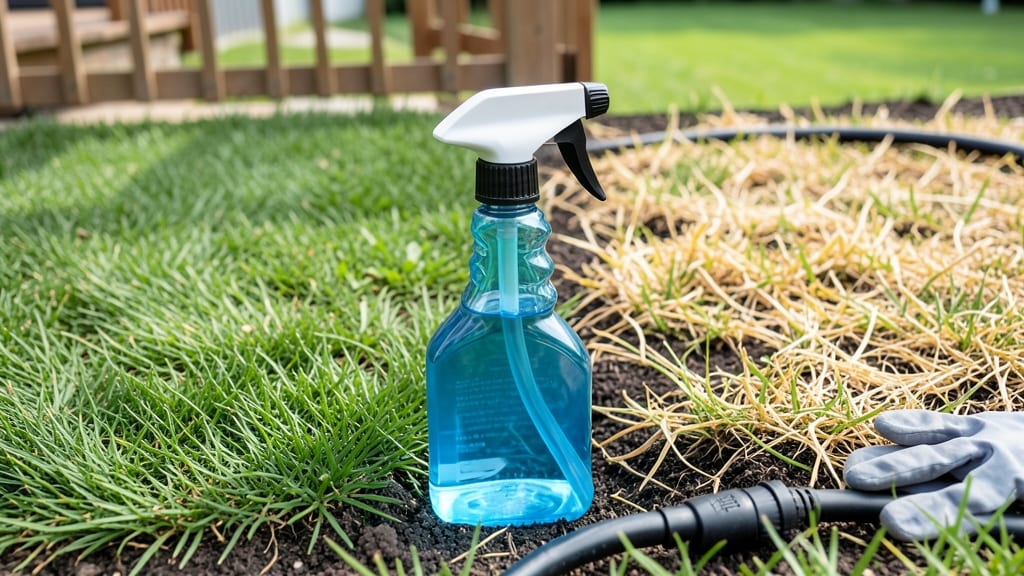
Killing that overgrown lawn with Roundup can erase it in 24 hours—no more mowing, no more weeds, just a blank slate for whatever comes next. 🌱 I’ve used it to transform thick, stubborn grass into bare earth ready for new plantings, and the process is simpler than most people expect.
The key is timing, coverage, and patience while the glyphosate works its magic underground.
You’ll need a 1-gallon sprayer filled with Roundup concentrate mixed at the recommended rate (check the label), safety gear (gloves, long sleeves), and a way to mark treated areas.
Clear the lawn of toys, pets, and anything else that shouldn’t be exposed to glyphosate—this isn’t a product you want lingering where kids or animals play.
The actual application takes about 30 minutes for a typical yard: spray until the grass glistens, focusing on thick patches. Within 24 hours, the grass will start wilting, and in 1-2 weeks, it’ll be dead down to the roots.
The hardest part? Resisting the urge to dig up the dead grass too soon—let it fully decompose for the cleanest start.
Afterward, you can replant grass, lay down mulch, or even install a garden. If you’re seeding new grass, wait 2-3 weeks post-treatment to ensure all traces of glyphosate are gone.
For tough weeds or dense grass, you might need a second application—but once it’s done, you’ll wonder why you didn’t do this years ago.
📚 In This Guide
- What you need
- Instructions
- Tips and common mistakes
- Wrapping up and next steps
What you need
- ● Roundup (Glyphosate-based herbicide): 1 gallon (3.8 liters) of concentrated Roundup Poison Ivy & Tough Brush Killer (or equivalent) – for large lawns, double the quantity.
- ● OR 1 gallon of Roundup Ready-to-Use (pre-mixed, no dilution needed).
- ● Sprayer: A hose-end sprayer (for concentrated Roundup) or
- ● A backpack sprayer (3-5 gallon capacity) (for mixing and applying).
- ● Measuring cup or graduated container (for precise mixing).
- ● Gloves (nitrile or rubber) – to protect your hands from chemicals.
- ● Safety goggles – to shield your eyes from overspray.
- ● Closed-toe shoes or boots – for safety while working.
- ● Water source (hose or bucket) – for rinsing tools and spills.
- ● Spray nozzle with adjustable settings – for better control over spray patterns.
- ● String trimmer or edger – to clean up edges before spraying.
- ● Plastic sheeting or drop cloths – to protect nearby plants, driveways, or patios.
- ● Marking spray (paint or chalk) – to outline areas you’ve already treated.
- ● Weather app or forecast – to check for no rain for 24-48 hours after application.
Step-by-step guide to fast lawn weed eradication with Roundup
This method delivers visible results within 24 hours—here's how to apply Roundup precisely for maximum effectiveness.
🌱 Step 1: Choose the Right Conditions for Application
Timing is everything when using Roundup for lawn eradication. Apply only when the forecast calls for dry, warm weather for at least 48 hours after treatment. Temperatures between 65-85°F ensure the glyphosate activates properly—too cool, and it won't work; too hot, and it may evaporate before penetrating weeds.
Check the weather app now. If rain is predicted within 24 hours, wait. Wet conditions wash the herbicide away before it takes effect, and you'll waste both product and time. Early morning applications work best because dew-free conditions allow for even coverage without dilution.
💧 Step 2: Prepare the Lawn Surface for Maximum Absorption
Mow the lawn to a height of 2-3 inches before applying Roundup. Taller grass shields weeds from direct contact with the herbicide, reducing effectiveness. Use a sharp mower blade to avoid tearing grass—ragged cuts create entry points for disease. Remove any debris or thatch buildup, as these block the spray from reaching the soil and weed roots.
Lightly water the lawn 24 hours before application if the soil feels dry to the touch. This ensures the weeds are actively growing and their root systems are hydrated. Avoid overwatering—soggy soil repels the spray instead of absorbing it. You'll know the lawn is ready when the surface looks uniformly damp but not puddled.
✂️ Step 3: Apply Roundup Using the Right Technique
Fill your sprayer with Roundup concentrate mixed at the recommended rate (check the label for your specific formulation). For most lawns, this means 2-4 fluid ounces per gallon of water, depending on weed density. Calibrate your sprayer to deliver 2-3 gallons per 1,000 square feet—this ensures full coverage without waste.
Start spraying in overlapping 8-inch-wide strips to avoid missed spots. Focus on areas where weeds are thickest, but don't skip the grass entirely—Roundup will eventually kill the lawn too, which is the goal. Hold the spray nozzle 12-18 inches above the ground for even distribution. You'll see the solution glisten on the leaves—that's your confirmation it's sticking properly.
☀️ Step 4: Monitor and Maintain for Complete Eradication
Within 24 hours, you'll notice weeds beginning to wilt at the edges. This is the herbicide working—don't panic if it looks dramatic. For best results, reapply Roundup 3-5 days later if any weeds remain upright. The second application ensures glyphosate reaches stubborn root systems that might have missed the first pass.
After treatment, avoid mowing for at least 3 days to allow the herbicide time to fully penetrate. You'll know it's working when the entire lawn turns brown and crispy—this typically takes 7-14 days. Water lightly only if the soil feels bone-dry during this period, but avoid deep watering, which can dilute the remaining herbicide.
⏰ Step 5: Clear Debris and Prepare for Reseeding (Optional)
Once the lawn is completely brown and dead, use a rake to remove all debris. This prevents thatch buildup, which can harbor pests and diseases in your new planting. If you're replacing the lawn with grass seed, till the soil to a depth of 2-3 inches to break up compacted layers. For a fresh start, consider adding 1-2 inches of compost to improve soil structure before reseeding.
Real talk: If you're not reseeding immediately, cover the bare soil with black plastic sheeting for 4-6 weeks to kill any remaining weed seeds. Remove the plastic before planting to avoid smothering new growth. You'll see fresh shoots emerge within 7-10 days of planting new grass or ground cover, signaling your hard work paid off.
Tips & tricks for fast lawn weed eradication
These precision-focused strategies will help you maximize Roundup's effectiveness while avoiding common pitfalls that waste time and money.
Weather Window Timing: The 48-hour dry weather window after application is non-negotiable for glyphosate activation. I've learned this the hard way—after treating my lawn on a humid morning only to have rain wash it away within hours. Always check the forecast for the full 48-hour period, not just the day of application. Early morning applications work best because dew-free conditions allow for even coverage without dilution, which is exactly what we want for maximum absorption.
Pre-Application Hydration: Lightly watering the lawn 24 hours before application is critical for activating weed growth. You'll know you've done it right when the soil looks uniformly damp but not puddled—this creates the perfect environment for glyphosate penetration. I recommend using a hose with a gentle spray setting to avoid creating runoff that could wash away the herbicide before it takes effect.
Sprayer Calibration: Delivering exactly 2-3 gallons per 1,000 square feet ensures full coverage without waste. I use a simple test spray on a small area first to check for even distribution. The solution should glisten on leaves without pooling—this visual cue confirms proper application. For larger lawns, consider renting a backpack sprayer with a flow meter to maintain consistent pressure and coverage.
Follow-Up Strategy: The 3-5 day window for reapplication is your safety net for stubborn weeds. I've found that focusing on areas where weeds remain upright after 24 hours gives the second application maximum impact. This targeted approach prevents overuse of herbicide while ensuring complete eradication. Always apply the second dose under the same dry weather conditions as the first.
Pro Tips for Killing Lawn With Roundup
- These precision-focused strategies will help you maximize Roundup's effectiveness while avoiding common pitfalls that...
- Weather Window Timing: The 48-hour dry weather window after application is non-negotiable for glyphosate activation. ...
- Pre-Application Hydration: Lightly watering the lawn 24 hours before application is critical for activating weed grow...
Frequently asked questions
about using Roundup to kill your lawn effectively and safely.How long does it take for Roundup to fully kill a lawn?
Roundup typically kills grass within 24–72 hours of application, but full decomposition (blackened, dead lawn) can take 1–3 weeks, depending on weather. Hot, dry conditions speed up the process. Avoid watering for 24 hours after spraying to maximize effectiveness.
Can I use Roundup on my entire lawn at once?
Yes, but apply it in small sections (e.g., 500 sq. ft. at a time) to prevent overspray and ensure even coverage. Wait 24 hours between sections if needed. For large lawns, consider a sprayer with a shield to protect nearby plants. Always follow label instructions for dilution rates.
What’s the best time of year to kill a lawn with Roundup?
Apply Roundup when grass is actively growing—spring (April–June) or fall (September–October) in most climates. Avoid winter (dormant grass absorbs less) or extreme heat (can stress plants). Early morning applications reduce evaporation and drift.
Are there safer alternatives to Roundup for killing lawns?
Yes! For natural options, try:
- Vinegar + dish soap: Mix 1 gallon white vinegar + 1 oz. dish soap; spray on sunny days (kills in 24–48 hours but may take multiple treatments).
- Corn gluten meal: A pre-emergent herbicide (best for preventing weeds, not killing existing grass).
- Solarization: Cover the lawn with clear plastic for 4–6 weeks in hot weather to "cook" grass (labor-intensive but chemical-free).
Why did Roundup not kill my lawn? Troubleshooting tips
If Roundup fails, check these common issues:
- Thin coverage: Reapply with a higher concentration (follow label) or use a spreader for even distribution.
- Drought-stressed grass: Water lightly 24 hours before applying Roundup to activate growth (but don’t overwater).
- Weeds vs. grass: Roundup kills most plants—if weeds survive, they may be resistant (try a different active ingredient like glyphosate + 2,4-D).
- Rain or wind: Wait 24 hours after application before watering or expect wash-off.
Wrapping up and next steps
Killing your lawn with Roundup can be a game-changer for reclaiming control over stubborn weeds and overgrowth—just remember to prioritize safety and precision! 🌱 Whether you’re prepping for a fresh seedbed or simply tired of battling invasive plants, this method delivers fast, effective results when done right.
Now that you’re armed with the how-to and answers to common questions, it’s time to roll up your sleeves and transform that patch into your dream lawn.
Ready to take the next step? Plan your project for a calm, wind-free day and gather your supplies—then get out there and reclaim your outdoor space! 🌿