
Plants
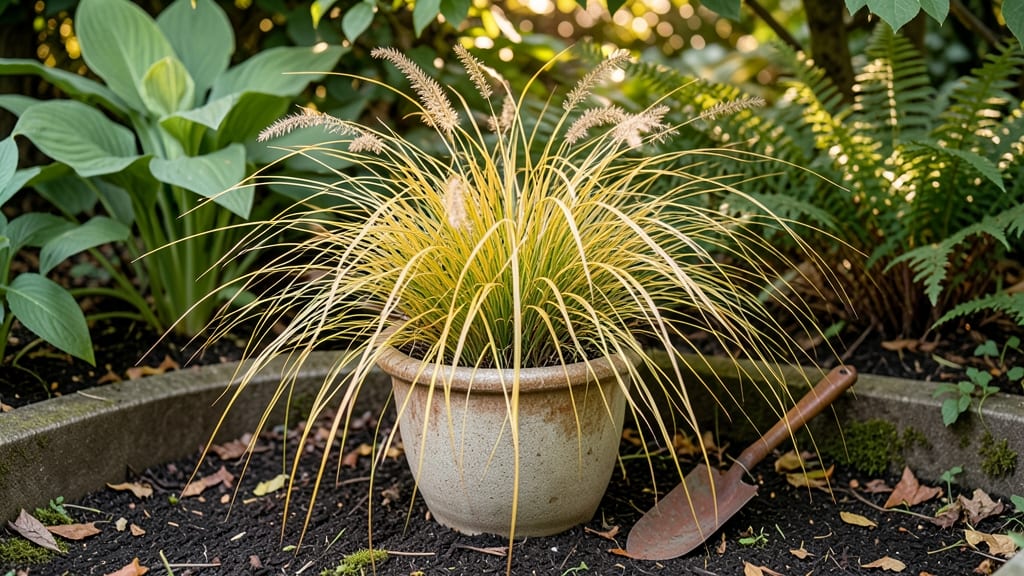
Japanese shade grass thrives in partial light where other plants struggle 🌿—and it’s the secret weapon for adding movement and color to your shady spots.
If you thought shade gardens were limited to ferns and hostas, think again—Japanese shade grasses can transform your low-light spaces into lush, textured masterpieces with minimal sunlight.
These ornamental grasses bring year-round interest, with cascading plumes that sway in the breeze and foliage that shifts from golden-green to deep bronze as seasons change. In USDA Zone 6a, they’re a breeze to grow, whether you’re tucking them into garden beds or styling them in containers.
Below, I’ll walk you through the best varieties, planting tips for spring or fall, and how to keep them thriving with minimal fuss—plus the companion plants that make them pop.
 Best Window Placement
Top 5 Japanese shade grasses that thrive in partial sunlight
Japanese shade grasses are the unsung heroes of low-light gardens, offering arching foliage, vibrant colors, and year-round interest with minimal sunlight. Unlike sun-loving varieties, these grasses thrive in partial shade (2-6 hours of sun) and even full shade in some cases.
Their delicate textures and seasonal color shifts make them perfect for adding movement and depth to shady corners, patios, or woodland gardens.
From the cascading Hakonechloa macra to the bold Carex oshimensis, these Japanese ornamental grasses bring elegance to spaces where other plants struggle. Whether you're designing a container garden or a ground cover solution, these varieties offer low-maintenance beauty that adapts to your space's unique light conditions.
Comparison Table: Top 5 Japanese Shade Grasses
The Hakonechloa macra varieties, like 'Aureola' and 'Albo-variegata', are arching grasses that spill beautifully over container edges or stone walls. Their golden foliage brightens dark corners, while the variegated stripes of 'Albo-variegata' add visual contrast.
These grasses prefer moist, well-draining soil and humid conditions, making them ideal for shady patios or understory plantings.
For ground cover solutions, Carex oshimensis 'Evergold' is a standout with its year-round golden hue. This clumping grass spreads gently to create a dense, weed-suppressing mat while thriving in partial shade.
Pair it with hostas or ferns for a lush, layered look. Its drought tolerance once established makes it a low-maintenance choice for busy gardeners.
If you're looking for height and drama, Sasa veitchii delivers with its bold, arching clumps that reach 3-4 feet tall. Native to Japanese forests, this grass thrives in full shade and adds textural contrast to shady garden beds.
Its deep green foliage provides a neutral backdrop for wildflowers or shade-loving perennials like heucheras or astilbes.
Don't overlook Carex morrowii 'Ice Dance', a compact sedge with blue-green blades edged in white. This container-friendly grass adds color and movement to small spaces, such as balconies or windowsills.
Its tolerant nature makes it perfect for beginner gardeners—just ensure it gets consistent moisture and well-draining soil.
When selecting Japanese shade grasses, consider your garden's microclimate. East-facing or north-facing areas with dappled sunlight are ideal, while west-facing spots may require afternoon shade protection. Always amend soil with organic matter like compost or peat moss to improve drainage and nutrient retention.
For seasonal interest, many of these grasses develop winter hues
How to create a stunning Japanese shade grass garden layout
A Japanese shade grass garden thrives on texture and movement, even in low-light conditions. The key is layering plants by height and color to create depth while ensuring your Hakonechloa macra or similar varieties remain the star.
Start with a moisture-retentive soil mix—amend with compost or peat moss—to mimic their natural woodland habitat. This foundation lets you experiment with seasonal color shifts from golden Hakonechloa to deep purple Carex varieties.
Begin by sketching your space, noting existing shade patterns and structural elements like trees or fences. Dwarf varieties like Hakonechloa 'All Gold' (1–2 ft) work beautifully in the front, while taller Carex oshimensis 'Evergold' (2–3 ft) anchor the back.
Use mulch to suppress weeds and retain moisture—this is especially critical in woodland gardens where competition for resources is fierce.
- 🌿 Layer by Height: Place dwarf grasses (1–2 ft) in front, medium grasses (2–3 ft) in the middle, and tall grasses (3–4 ft) at the back for a cascading effect.
- 🌿 Pair with Ferns: Combine Hakonechloa with Dryopteris erythrosora (autumn fern) for year-round color contrast—the fern’s rusty fronds complement golden grasses in fall.
- 🌿 Add Blooms: Include shade-loving perennials like Hosta 'Blue Angel' or Heuchera 'Palace Purple' to introduce seasonal blooms without competing for light.
- 🌿 Use Containers: For flexibility, plant Carex in terracotta pots near patios—group 3–5 plants per container for a fuller look and easy mobility.
- 🌿 Plan for Seasons: Incorporate winter interest with Sasa veitchii (bamboo-like grass) whose arching forms hold structure even in frost.
For year-round interest, integrate evergreen shrubs like Pieris japonica (Japanese andromeda) or Ilex crenata 'Green Lustre' (boxwood) to frame your grasses. These provide structural contrast while their leathery leaves echo the grasses’ texture.
Prune Hakonechloa in late winter to remove dead foliage, but leave Carex until spring—its seed heads add winter charm.
Lighten up your design with white or silver foliage plants, such as Lamium maculatum 'White Nancy', to create visual pops against darker grasses. These low-growing ground covers spill between clumps, softening the garden’s edges.
In spring and fall, add bulbs like Erythronium (dog’s tooth violet) for fleeting bursts of color—plant them in dappled shade where grasses won’t overshadow them.
Finally, water wisely—Japanese shade grasses prefer consistent moisture but hate soggy roots. Install a drip irrigation system on a timer to deliver 1 inch of water weekly during dry spells.
Group plants with similar water needs together to simplify maintenance. For example, pair Hakonechloa with Hosta and Heuchera in one zone, while Carex and Sasa can share another.
With these layering techniques and seasonal planning, your Japanese shade grass garden will shimmer with movement and color—proving that shade doesn’t mean boring. Start small, experiment with combinations, and let the grasses guide your design. Happy planting! 🌱