
Plants
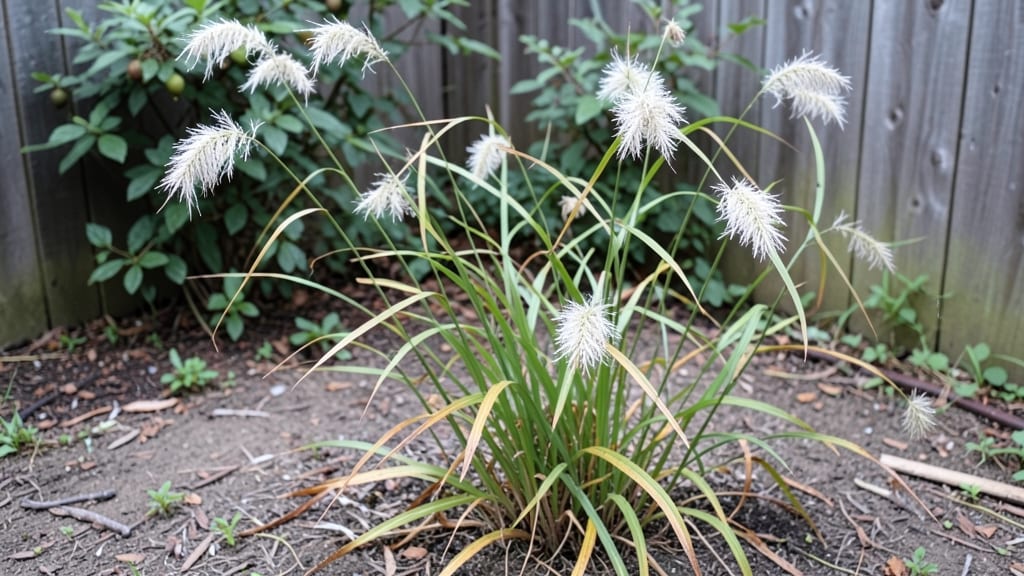
Japanese fountain grass thrives with minimal fuss but needs the right care to stay looking its best 🌿 — and the biggest mistake gardeners make is letting it grow unchecked.
Picture this: your elegant plumes flopping over by summer, or worse, spreading into a wild tangle that crowds out your other plants. The good news? With a few simple pruning tricks and seasonal adjustments, you can keep this ornamental grass neat, lush, and under control all year.
Whether you’re new to ornamental grasses or just want to refine your approach, this guide covers everything from sunlight needs to pruning schedules—so you can enjoy its drought-tolerant beauty without the overwhelm.
You’ll learn the exact height targets for each season, how to revive browning tips, and even how to propagate new plants from cuttings—no green thumb required.
How to prune Japanese fountain grass for perfect year-round height
Japanese fountain grass (Pennisetum alopecuroides) thrives with proper pruning to maintain its signature arching plumes and compact shape. Without regular maintenance, it can become overgrown and leggy, losing its ornamental appeal.
The key is timing—prune at the right seasonal stages to encourage dense regrowth while avoiding damage to the plant's crown. I’ve pruned mine for years, and these techniques keep it lush year-round without sacrificing its natural beauty.
Before you grab your shears, gather the right tools and supplies. You’ll need sharp bypass pruners for clean cuts, gloves to protect your hands, and sterilized shears if you’re dealing with diseased foliage. A measuring tape helps track height, and a garden hose ensures the area is clean post-pruning.
Avoid dull tools—they can crush stems and invite pests. I always sterilize my tools with rubbing alcohol between plants to prevent spread of disease.
Step-by-Step Pruning Guide for Japanese Fountain Grass
-
Step 1: Late Winter Pruning (Before New Growth)
Cut back all dead foliage to 2–3 inches above ground in late winter (February) before new shoots emerge. This removes brown, dried plumes and prevents disease while allowing room for fresh growth. Avoid cutting into the crown—this can kill the plant. -
Step 2: Spring Pruning (After Frost)
Once new green shoots appear (March–April), trim overly long stems to 12–18 inches tall to encourage bushier growth. Focus on thinning out crowded centers to improve airflow and reduce fungal risks. This is when your grass will rebound with vigor for the season. -
Step 3: Summer Maintenance (After Blooming)
After summer plumes fade (July–August), cut back spent flower stalks to half their height. This prevents seed heads from spreading and keeps the plant neat and tidy. Avoid heavy pruning in summer—it can stress the plant during its active growth phase. -
Step 4: Fall Cleanup (Pre-Winter)
In October–November, remove all dead foliage but leave 2–3 inches of stem to protect the crown from winter frost. This natural mulch insulates roots and prevents rot. Avoid cutting too close—you’ll expose the crown to cold and risk dieback. -
Step 5: Year-Round Height Adjustments
Use string or a stake as a guide to maintain consistent height (e.g., 2–3 feet for most varieties). Trim selective stems throughout the year to shape the plant and encourage fullness. For dwarf varieties like ‘Little Bunny,’ keep heights at 1–2 feet to avoid flopping.
🌿 Pro Tip: Always prune on a dry, sunny day to reduce fungal spores and ensure faster healing.
One of the biggest mistakes I see is pruning at the wrong time. Cutting back in deep winter or mid-summer can shock the plant and stunt new growth. Japanese fountain grass is hardy but sensitive—it needs time to recover.
For example, if you prune too aggressively in July, you might lose those stunning fall plumes entirely. Instead, focus on light maintenance during peak growing months.
For overgrown clumps, divide and prune in early spring. Dig up the root ball, separate dense sections, and trim long roots to 6–8 inches. Replant divisions 1–2 feet apart to give them space to regrow without competition.
This is also a great way to propagate new plants for free! Just be sure to water thoroughly after dividing to help roots establish quickly.
If your Japanese fountain grass develops brown tips or floppy stems, it’s often a sign of overwatering or poor drainage. Before pruning, check the soil moisture—it should feel damp but not soggy.
Amend heavy clay soil with compost or sand to improve drainage. Once the plant recovers, light pruning can help it regain its upright form.
For container-grown Japanese fountain grass, pruning is even more critical since roots are confined. Use smaller shears and trim 1/3 of the plant at a time to avoid shock.
Containers dry out faster, so water deeply after pruning to support recovery. I’ve found that dwarf varieties in pots benefit from monthly pruning to prevent root-bound stress.
Finally, don’t forget to disinfect your tools between cuts, especially if you’re pruning multiple plants. A 10% bleach solution (1 part bleach to 9 parts water) or rubbing alcohol kills bacteria and fungi that can hitchhike
Best times to trim Japanese fountain grass by season (with height guidelines)
Japanese fountain grass (Pennisetum alopecuroides) thrives when pruned strategically by season. Unlike many plants, it benefits from selective trimming rather than aggressive cuts. The key is maintaining height control while preserving its ornamental plumes—those feathery blooms that give it its name.
Over-trimming can weaken the plant, while under-trimming lets it become unruly and overgrown. Let’s break down the ideal timing, height targets, and tools for each season.
Spring is the best time to reset your Japanese fountain grass after winter dormancy. Aim to trim it back to 2–3 feet tall by late March or early April, just as new growth begins. This encourages dense, bushy regrowth and prevents flopping later in the season.
Use clean, sharp pruners to avoid tearing the stems, and remove any brown or dead foliage from the previous year. Pro tip: Leave the lower 6–8 inches intact to protect the crown from cold snaps.
| Season | Trim Height | When to Prune | Tools Needed | Purpose |
|---|---|---|---|---|
| Spring | 2–3 feet | Late March–early April | Sharp pruners, hedge shears | Encourage new growth, remove dead foliage |
| Summer | 1–2 feet | June–July (after blooming) | Hand pruners, gloves | Maintain shape, prevent flopping |
| Fall | Minimal (leave plumes) | October–November | None (optional: clean up) | Preserve winter interest, protect crown |
| Winter | 0–1 foot (if needed) | January–February (dormant) | Pruners, rake | Remove dead growth, prep for spring |
Summer pruning is all about maintenance and shape. Once your grass has finished blooming (usually by mid-to-late summer), trim it back to 1–2 feet tall to keep it compact and prevent it from leaning or flopping.
This is also the time to remove spent flower stalks if they’re detracting from the plant’s appearance. Avoid cutting into the old growth—focus on selective trimming to shape rather than drastic reductions in height. A light touch here ensures your plant stays vibrant and upright through the heat.
Fall is a minimal-trimming season for Japanese fountain grass. Unlike hardy perennials, it’s best to leave the plumes intact until they naturally brown and die back.
If you’re in a harsh winter zone (below Zone 6), you can trim back 1–2 inches in late fall to reduce snow damage, but avoid cutting into the crown. The dried plumes also provide winter interest and shelter for beneficial insects.
Only remove truly dead or diseased foliage—never more than 10% of the plant at this stage.
Winter pruning is optional but helpful for tidying up. If your grass looks ragged or overly tall after winter, trim it back to 6–12 inches in late winter (February). This removes dead growth and makes room for spring regrowth.
Be cautious, though—cutting too aggressively can delay spring recovery. Watch for yellowing or mushy stems, which signal rot or over-pruning. If you see these signs, stop trimming and focus on improving drainage instead.
Over-pruning is a common mistake that weakens Japanese fountain grass. Signs include stunted growth, bare patches, or excessive yellowing. If you’ve cut back too much, reduce watering slightly and fertilize lightly with a balanced 10-10-10 to encourage recovery.
Avoid pruning in extreme heat or drought, as this stresses the plant further. Instead, water deeply before trimming to ensure clean cuts and minimal shock. With the right seasonal approach, your Japanese fountain grass will stay lush, healthy, and perfectly proportioned year-round.