
Lawn
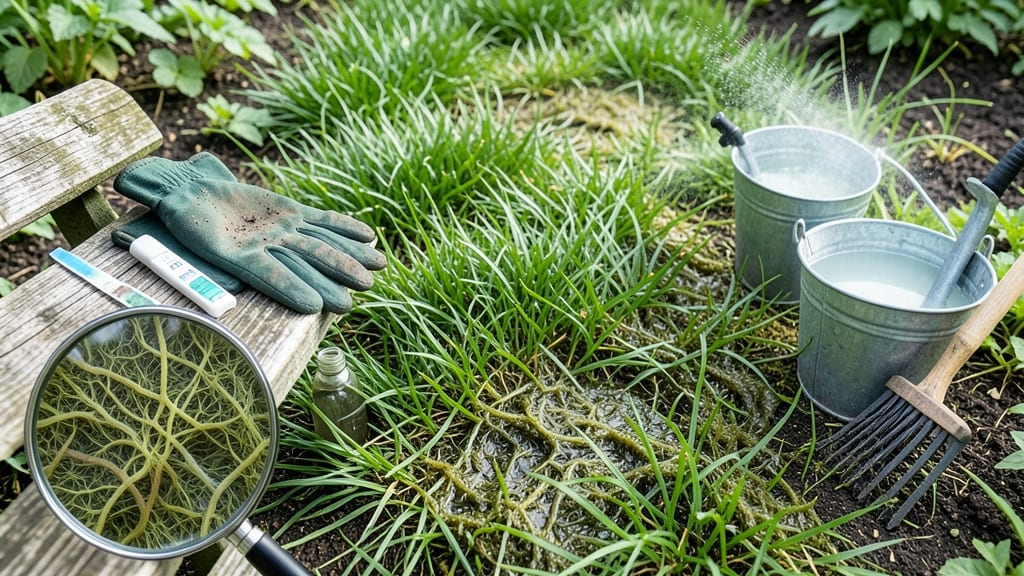
Is lawn algae dangerous? Most types are harmless but can signal drainage issues that damage grass, while certain algae like blue-green varieties produce toxins that pose health risks if touched or inhaled.
Most lawn algae won't harm you directly, but some varieties—especially blue-green algae (cyanobacteria)—produce toxins called microcystins that can cause skin irritation or respiratory problems if disturbed. 🌱 The real danger lies in prolonged exposure or accidental ingestion, which may lead to more serious symptoms like nausea or liver strain.
That's why it's crucial to identify the type before deciding how to handle it.
For harmless green algae, simple removal methods like vinegar or baking soda sprays work well, but toxic varieties require professional cleanup to avoid spreading dangerous spores. Improving drainage and reducing excess moisture in your yard is the best prevention strategy.
💡 In This Article
- Health Risks of Toxic Lawn Algae Types
- Safe Methods to Remove and Prevent Lawn Algae
Health risks of toxic lawn algae types
Not all lawn algae are created equal—while most green algae simply indicate excess moisture, certain varieties like cyanobacteria (often mistakenly called blue-green algae) pose serious health risks.
These microscopic organisms produce potent toxins such as microcystins and anatoxins, which can trigger symptoms ranging from mild skin irritation to severe liver damage if ingested or inhaled. The danger escalates when algae blooms occur, as disturbed spores release airborne toxins that may affect pets or children playing nearby.
Toxic algae thrive in stagnant water or poorly drained areas, where they form thick, slimy mats that can appear green, blue, or even red. Unlike harmless green algae, these toxic varieties often emit a musty or earthy odor when disturbed—a key warning sign.
For example, microcystins (produced by Microcystis species) are heat-stable and can remain potent even after drying, while anatoxins (from Anabaena) primarily affect the nervous system. Exposure typically occurs through direct contact, inhalation of aerosolized toxins, or accidental ingestion by pets drinking contaminated water.
Symptoms of toxic algae exposure vary by severity: mild cases may cause skin rashes, coughing, or watery eyes, while severe poisoning can lead to vomiting, diarrhea, or liver failure in extreme cases.
Children and pets are particularly vulnerable due to their lower body weight and closer contact with contaminated areas. The Centers for Disease Control (CDC) advises avoiding areas with visible algae blooms and seeking medical attention if symptoms like dizziness or stomach cramps occur within hours of exposure.
Harmless green algae, on the other hand, lacks these toxins and primarily serves as an indicator of poor lawn health. Its presence suggests excess moisture, which can suffocate grass roots by blocking oxygen.
Unlike toxic varieties, green algae won’t cause respiratory issues or skin reactions—though it can still create slippery, unsightly patches that deter foot traffic.
The key difference lies in the algae’s color and texture: toxic types often form gelatinous mats with a distinct odor, while harmless green algae appears as fine, powdery growth.
If you suspect toxic algae in your yard, avoid physical removal methods like raking, which can release airborne spores. Instead, contain the area and contact a certified algae removal specialist who uses EPA-approved treatments.
For harmless green algae, simple solutions like vinegar or hydrogen peroxide sprays (1:3 dilution) can restore your lawn’s health without risk. 🌿
Prevention focuses on improving drainage and reducing excess moisture—two factors that also benefit your grass. Aerating compacted soil, adjusting irrigation schedules, and overseeding with drought-resistant grasses can create an environment where algae struggles to take hold.
Regular lawn maintenance isn’t just about aesthetics; it’s your first line of defense against both toxic and non-toxic algae.