
Lawn
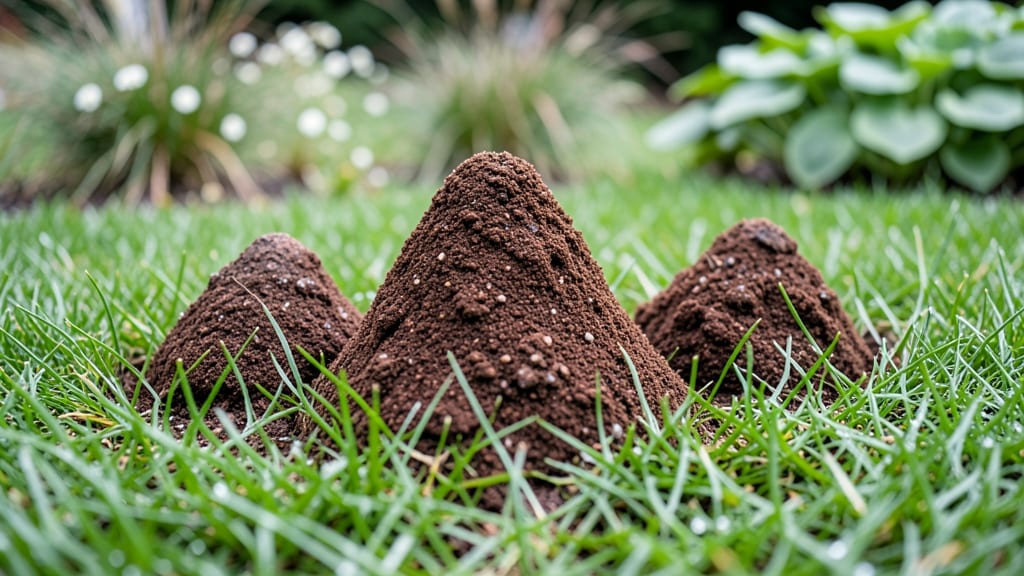
Those mysterious insect mounds in your lawn aren’t just unsightly—they’re a sign of hungry grubs feasting on your grass roots. 🌱 I’ve battled these pests myself, and the key to stopping them is understanding what’s tunneling underground before they ruin your lawn for good.
The good news? You don’t need harsh chemicals to win this fight—just a few targeted steps that work fast.
Most mounds come from ants, termites, or grubs (like Japanese beetle larvae), and they all leave similar damage: patchy grass, weak roots, and a lawn that looks like it’s being eaten alive. The first step is identifying the culprit—ants make small, crumbly mounds, while grubs create larger, dome-shaped hills.
Once you know who’s to blame, you can attack the problem at its source without overkill.
With the right approach, you’ll see improvement within 2-3 weeks: fewer mounds, stronger grass, and a lawn that stays lush all season. The secret is combining quick fixes (like nematodes or milky spore) with long-term prevention (proper watering, aeration, and overseeding). No more guessing—just results that actually work.
This method works for any lawn, whether you’re dealing with a small patch or a full backyard takeover. Let’s get your grass back to its best—and keep those pests from crashing the party again.
Root Causes of Lawn Mounds
Understanding why insect mounds appear in your lawn is the first step to eliminating them. These unsightly (and often damaging) piles of dirt are rarely random—they’re a direct result of underground activity by specific pests.
Below, we break down the top reasons your lawn is becoming a buffet for insects, along with the science behind their behavior.
Grubs—larvae of beetles like Japanese beetles, June beetles, or European chafer—are the #1 culprit behind lawn mounds. These C-shaped larvae thrive in moist, well-aerated soil, where they feed on grass roots. As they grow, they create tunnels and chambers, weakening the grass.
When adult beetles emerge in late summer or fall, they lay eggs in the soil. The hatching grubs then dig extensively, pushing dirt upward as they move. Over time, this activity forms volcano-like mounds as the soil collapses and shifts.
Key triggers:
- Excessive organic matter (like fallen leaves or grass clippings) in the soil, which attracts egg-laying beetles.
- Overwatered or poorly drained lawns, creating a grubs’ paradise.
- Thin or stressed grass, which grubs target more aggressively.
While grubs are larvae, ants (like fire ants or mound-building species) create mounds for entirely different reasons. Ants construct these structures to regulate temperature and humidity within their colonies. Worker ants carry soil particles to the surface, forming a central mound with tunnels radiating outward.
These mounds can appear overnight and often have a hard, crumbly texture with small entry/exit holes.
Why it happens:
- Dry, compacted soil forces ants to dig deeper, leading to mound formation.
- Proximity to food sources (like aphids, other insects, or even your pet’s food) attracts ant colonies.
- Disturbances in the lawn (e.g., recent construction, watering changes) can trigger mound-building as ants seek stability.
Not all mounds are made by insects—moles and voles also create tunnels and push soil to the surface, though their mounds look different. Moles dig for earthworms and grubs, while voles burrow to escape predators or nest.
Their activity creates raised ridges or irregular piles rather than the neat, conical shapes of insect mounds. Over time, this can kill patches of grass by severing roots.
Common triggers:
- High moisture content in the soil, making it easier for moles to dig.
- Abundant food sources (like grubs or worms) luring them to your lawn.
- Thick ground cover (e.g., mulch or dense grass) providing shelter for voles.
A weak, nutrient-deficient lawn is like a neon sign for pests. When grass struggles to grow, its roots become an easy meal for grubs, and the soil becomes easier to excavate for ants and moles.
Factors like: - Lack of aeration (compacted soil = grubs’ dream home). - Improper mowing (cutting grass too short stresses roots). - Pesticide overuse (killing beneficial insects that prey on grubs).
…all contribute to a vicious cycle of pest infestation and mound formation.
Insect activity isn’t random—it’s heavily influenced by weather.
For example: - Warm, humid summers trigger beetle egg-laying, leading to grubs by fall. - Drought followed by heavy rain can force ants to relocate, creating new mounds. - Freeze-thaw cycles in spring can destabilize soil, making it easier for pests to push dirt upward.
Pro tip: 🌡️ Monitor your lawn after rain—this is when grubs and ants become most active, and mounds often appear within 24–48 hours.
Not sure who’s tunneling under your lawn?
Look for these clues: | Pest | Mound Shape | Other Signs | Active Season | |----------------|-----------------------|------------------------------------------|-------------------------| | Grubs | Small, scattered piles | Wilting grass, chewed roots | Late summer–fall | | Ants | Tall, crater-like | Tiny holes, aggressive workers | Spring–fall | | Moles | Irregular ridges | No surface holes, worm casts nearby | Year-round (worse in wet seasons) | | Voles | Shallow, runny tunnels | Gnawed plants, burrow entrances | Fall–spring |
Next steps: Once you identify the cause, you can target treatments—whether it’s grub control, ant baits, or mole repellents. Stay tuned for our 3-step solution to a grub-free lawn!
Fixing Lawn Mounds Naturally
Discovering unsightly insect mounds in your lawn can feel like a battle against tiny invaders—but the good news is, you don’t need harsh chemicals to win. Whether your yard is being overrun by ants, termites, or grubs, targeted solutions can restore your grass to its lush best.
Below, we break down the most effective fixes for each common cause, plus prevention tips to keep your lawn mound-free for good.
If your lawn is dotted with small, dome-shaped mounds (often with tiny holes), you’re likely dealing with fire ants, harvester ants, or carpenter ants. These pests create tunnels and nests that disrupt grass growth—and their stings can be painful.
🍳 Step 1: Identify the Ant Species
- Fire ants: Aggressive, mound-like hills with tiny workers scurrying around.
- Harvester ants: Larger, smoother mounds with a single entrance.
- Carpenter ants: Often nest in wood but may build small mounds in soil.
💡 Pro Tip: Observe the ants’ behavior—fire ants will swarm if disturbed, while harvester ants move more slowly.
👨🍳 Step 2: Apply Natural Repellents
- Diatomaceous earth (DE): Sprinkle food-grade DE around the mound and water lightly. It dehydrates ants but is safe for pets once settled.
- Vinegar spray: Mix equal parts white vinegar and water in a spray bottle. Drench the mound (repeat weekly for 2–3 weeks).
- Coffee grounds: Scatter used grounds near mounds—ants dislike the smell and avoid the area.
🔪 Step 3: Manual Removal (For Stubborn Mounds)
- Drench the mound with soapy water (1 tbsp dish soap per gallon) to suffocate the colony.
- Wait 24 hours, then dig out the nest with a shovel (wear gloves!).
- Reseed or sod the disturbed area to restore grass.
🌡️ Prevention: Keep lawns mowed short, reduce moisture near foundations, and use ant-repellent plants like mint or citrus.
If your grass looks patchy, yellow, or pulls up easily, grubs (larvae of beetles like Japanese beetles or June bugs) are likely munching on roots. Their presence creates irregular mounds as they tunnel.
🔥 Step 1: Test for Grubs
- Dig a small section of lawn (about 2–3 inches deep).
- Look for white, C-shaped larvae (grubs) in the soil.
- If you find 5+ grubs per square foot, treatment is needed.
🍳 Step 2: Use Organic Grub Control
- Nematodes (beneficial): Apply Heterorhabditis bacteriophora nematodes in early evening (they thrive in moist soil).
- Milky spore powder: A natural bacteria that targets grubs—sprinkle and water in.
- Neem oil: Spray diluted neem oil on affected areas (repeat every 2 weeks).
👨🍳 Step 3: Overseed & Improve Soil Health
- Rake out dead patches and overseed with high-quality grass seed.
- Aerate compacted soil to help roots recover.
- Apply compost to boost microbial activity that crowds out grubs.
✨ Prevention: Encourage natural predators like birds and toads by keeping a diverse lawn ecosystem. Avoid overwatering, which attracts beetles.
Termite mounds (often 1–2 feet tall with a papery texture) signal a serious infestation. Unlike ants, termites damage wood and can weaken your lawn’s foundation if left unchecked.
🔪 Step 1: Call a Professional
- Termites require bait stations, liquid treatments, or fumigation—DIY methods rarely work long-term.
- A pest control expert can assess the extent and recommend targeted solutions.
🌡️ Step 2: Prevent Future Infestations
- Remove wood debris (stumps, logs) from your yard.
- Keep mulch 6+ inches away from your home’s foundation.
- Use termite-resistant plants like marigolds or lemongrass near the house.
🎯 Prevention: Schedule annual termite inspections, especially in humid climates.
No matter the pest, these habits deter insect activity and promote a healthy lawn:
- Mow high (3–4 inches) to shade soil and reduce moisture-loving pests.
- Water deeply but infrequently (early morning) to discourage grubs and ants.
- Dethatch annually to remove hiding spots for insects.
- Use organic fertilizers to strengthen grass roots naturally.
- Invite predators: Ladybugs, ground beetles, and birds all help control pests.
With the right approach, your lawn can go from mound-ridden to grub-free in no time. Start with identification, apply targeted fixes, and keep up with preventive care—your green oasis will thank you!
Frequently asked questions
How can I tell if my lawn mounds are from ants or grubs?
Check the mound shape and surrounding signs: ant mounds are usually tall, hard, and crater-like with tiny holes, while grub mounds look like small, scattered piles with wilting grass nearby. Look for aggressive worker ants near ant mounds, or dig up a section to spot white, C-shaped larvae (grubs) in the soil.
Are insect mounds harmful to my lawn's health?
Yes—they signal root damage from feeding pests. Grubs chew roots, causing patchy grass, while ants disrupt soil structure. Left untreated, mounds can lead to dead patches or thin grass that struggles to recover. The good news? Targeted treatments (like nematodes or ant baits) can restore your lawn within 2-3 weeks.
Can I use vinegar to kill ants making mounds?
Yes, but it’s a short-term fix. Mix equal parts white vinegar and water, drench the mound, and repeat weekly for 2-3 weeks. The acidity disrupts their pheromone trails, forcing them to relocate. For deeper nests, combine with diatomaceous earth or coffee grounds for better results.
Will my lawn recover after removing insect mounds?
After treating the pests, reseeding bare spots and aerating compacted soil helps roots regrow. For grubs, apply milky spore powder or nematodes to prevent recurrence. With proper care, your lawn can look lush and healthy in 4-6 weeks.
Are there any natural predators that can help control lawn pests?
Yes! Encourage birds, toads, and ground beetles—they feast on grubs and ants. Plant native flowers (like marigolds) to attract these helpers, and avoid overwatering, which attracts beetles. A balanced ecosystem keeps pests in check naturally.