
Lawn
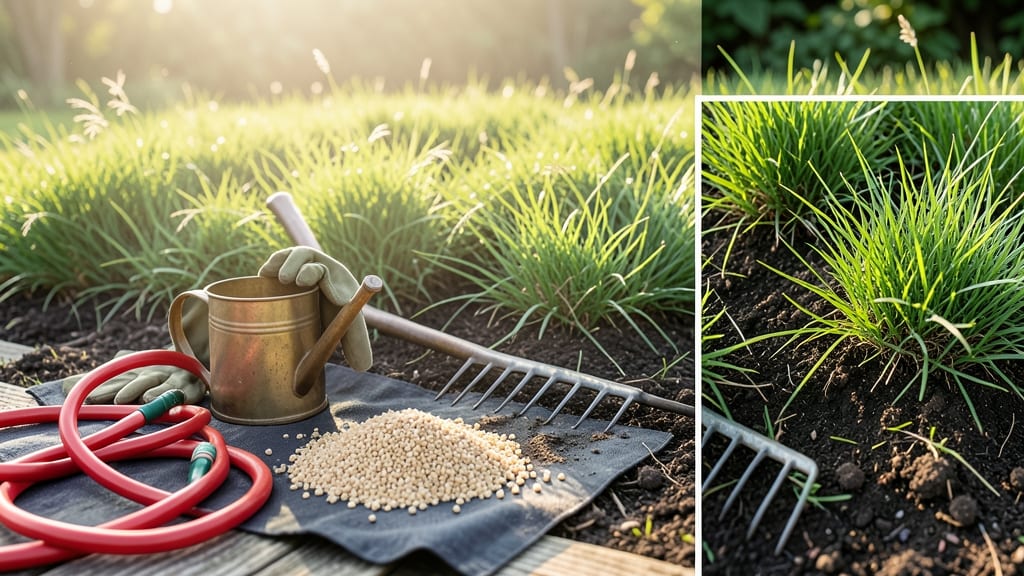
How to save your lawn from dog urine—before those yellow patches become permanent eyesores—starts with a quick fix that works faster than you’d think. 🌱 The ammonia in urine burns grass blades, leaving behind dead patches that even the most patient gardener will want to rake up and forget. But here's the good news: a simple vinegar rinse can undo the damage in minutes, and a few extra steps will keep your lawn lush and resilient.
The science is simple: urine is basically liquid fertilizer overload. Too much nitrogen at once scorches grass roots, while the acidity weakens soil over time. Most people panic and overwater, but that just dilutes the problem without fixing it.
Instead, flush affected areas with a 1:10 vinegar-to-water mix—it neutralizes the ammonia and kickstarts recovery. Within 24 hours, you’ll see new green growth pushing through.
Long-term, the fix is even easier: train your dog to use designated spots (or invest in artificial turf for high-traffic areas). For bare patches, overseed with drought-resistant grass types like Kentucky bluegrass or tall fescue—they bounce back faster than delicate varieties.
A light layer of compost and a sprinkle of lime every spring keeps soil balanced, so future accidents don’t leave scars.
This isn’t just about hiding the damage—it’s about turning your lawn into a dog-proof zone. With these steps, you’ll save time, money, and your sanity. Let’s get that grass back to its best in no time.
The Hidden Culprits Behind Dead Grass
Dog urine might seem like a harmless part of pet ownership, but it’s actually a silent lawn assassin—especially for grass. Understanding why it happens is the first step to protecting your yard. Below, we break down the science behind the damage, so you can tackle the problem head-on.
When dogs pee, their urine is packed with nitrogen—a nutrient that, in small doses, helps grass grow. But here’s the catch: dog urine is highly concentrated in nitrogen compared to natural fertilizers.
When it hits the soil, the nitrogen levels can spike to 10,000+ ppm (parts per million), which is toxic to grass blades.
- How it burns grass: The excess nitrogen disrupts the grass’s ability to absorb water and nutrients, leading to cell dehydration and yellowing within hours.
- Why it’s worse in heat: Hot weather accelerates the damage because the soil dries out faster, magnifying the nitrogen’s corrosive effects.
- Grass types at risk: Thin-bladed grasses like Bermuda or Kentucky Bluegrass are especially vulnerable because their roots can’t dilute the nitrogen quickly enough.
Fun fact: A single dog’s urine can contain enough nitrogen to fertilize 10 square feet of lawn—but in a way that’s more harmful than helpful! 🌱💥
Dog urine isn’t just high in nitrogen—it’s also acidic, with a pH often ranging from 6.0 to 6.5 (pure water is neutral at 7.0). While slightly acidic soil can be normal, frequent urination in the same spot creates a chronic acid buildup, throwing off the soil’s balance.
- How it damages grass: The acidity disrupts beneficial soil microbes, which help break down organic matter and release nutrients. Without these microbes, grass roots weaken, making them prone to disease and drought stress.
- Long-term effects: Over time, the soil can become too acidic (pH < 6.0), locking out essential nutrients like phosphorus and potassium—leaving your lawn starved and patchy.
- Signs of pH damage: Look for brown, crispy patches that spread even after watering, or grass that feels spongy or mushy when stepped on.
Pro tip: Test your soil’s pH with a DIY kit (available at garden centers). If it’s below 6.0, you may need to lime the soil to neutralize the acidity—especially in high-traffic dog areas. 🌡️
Here’s a lesser-known but critical factor: dog urine creates an osmotic shock in grass roots. Osmosis is how plants absorb water—water moves from areas of low solute concentration (like soil) to high solute concentration (like plant roots). But urine’s high nitrogen and salt content reverse this process.
- How it works: The concentrated urine in the soil pulls water out of the grass roots instead of letting them absorb it. Think of it like putting your lawn in a saltwater bath—the grass wilts because it can’t hydrate properly.
- Visible damage: Within 24–48 hours, you’ll see yellow halos around urine spots, followed by brown, dead patches if not treated.
- Grasses most affected: Fescue and Ryegrass are particularly sensitive because their root systems are shallow and can’t handle rapid osmotic changes.
Key takeaway: Even if you water your lawn regularly, urine’s solute concentration can override hydration efforts—making dilution (like with vinegar or water) a must. 💦
Not all urine damage is equal—it depends on where and how often your dog urinates. Certain behaviors make lawn damage worse:
- Frequent urination in one spot: Dogs have a territorial marking instinct, leading them to pee repeatedly in the same areas (e.g., near fence lines or doorways). This creates hotspots where nitrogen and acidity build up faster.
- Large breeds = bigger damage: A 50-pound dog produces about 20–30 mL of urine per pound of body weight daily. That’s 1–1.5 liters of high-nitrogen pee per day—enough to scorch a 10-square-foot area if concentrated.
- Diet matters: Dogs on high-protein or low-fiber diets produce more acidic urine. Switching to a plant-based or fiber-rich kibble can slightly reduce pH levels.
Actionable fix: Train your dog to pee in designated areas (like a gravel patch or artificial turf) to limit lawn exposure. If that’s not possible, dilute urine spots immediately with water or a vinegar solution. ⏱️
Fixing Dog Urine Damage Fast
Now that you know why dog urine turns your lawn into a patchwork of yellow spots, let’s tackle the how. The good news? Most damage is reversible with the right steps—whether you’re dealing with fresh accidents, stubborn dead patches, or long-term soil issues.
Below, we’ve mapped practical fixes to common causes, plus prevention tips to keep your lawn lush and dog-friendly.
Cause: High ammonia concentration burns grass blades and roots. Fix:
- Dilute the urine immediately 💦
- If you catch your pup mid-stream, interrupt with a quick "Come!" or toss a toy to redirect them to a gravel or artificial turf area.
- For accidents: Flush the area with water (a hose or sprinkler) for 10–15 seconds to dilute the ammonia.
- Apply a vinegar rinse 🍶 (the star of this article!)
- Mix 1 part white vinegar with 3 parts water in a spray bottle.
- Lightly mist the affected area (avoid oversaturating—grass needs to breathe!).
- Why it works: Vinegar neutralizes ammonia and adds acetic acid, which grass can tolerate better than urine’s harsh chemicals.
- Avoid fertilizing for 2–3 days 🚫🌱
- Fertilizer + urine = double the burn. Wait until the area recovers before feeding your lawn.
Cause: Chronic urine exposure kills grass roots, leaving bare soil. Fix:
- Test your soil 🧪 (optional but helpful)
- Use a DIY soil test kit (available at garden centers) to check pH. Dog urine makes soil more acidic (low pH), which grass hates.
- Target pH: 6.0–7.0 for most lawns.
- Reseed or sod the bare spot 🌱 - For small patches: Sprinkle grass seed (choose a fast-growing variety like perennial ryegrass or tall fescue) over the area.
Lightly rake to cover seeds with soil. - For large patches: Lay down sod (a pre-grown grass mat) for instant coverage. Water deeply for the first 2 weeks.
- Boost soil health 💪
- Top-dress with compost (¼ inch layer) to improve soil structure and nutrient retention.
- Apply a slow-release nitrogen fertilizer (like milorganite) once the new grass is 2–3 inches tall.
Cause: Dogs running and urinating repeatedly compacts soil, smothering grass roots. Fix:
- Aerate the lawn 🔨
- Rent a core aerator (or use a garden fork) to poke holes 2–3 inches deep, 3–4 inches apart.
- Best time: Early morning or late afternoon to avoid stressing the grass.
- Top-dress with sand or compost 🏖️
- Spread a ¼-inch layer of coarse sand or compost over the aerated areas.
- Lightly rake to work it into the holes. This improves drainage and root access to nutrients.
- Encourage deep watering 💧
- Water deeply 2–3 times per week (1–1.5 inches total) instead of daily light sprinkles. This trains roots to grow deeper, making them more resilient.
Cause: Repeated damage from the same spots. Fix:
- Teach your dog to "go" in one spot 🐕💩
- Designate a gravel, mulch, or artificial turf area for potty breaks.
- Use a consistent command (like "Go potty!") and reward with treats when they use the designated spot.
- Dilute urine on the spot 🚿
- Keep a garden spray bottle with diluted vinegar (1:3 ratio) nearby. Spray the area after your dog finishes.
- Adjust watering habits 🌧️
- Water your lawn before your dog does their business. Wet grass dilutes urine’s impact.
- Avoid overwatering—soggy soil worsens compaction and root rot.
- Choose urine-resistant grass types 🌿
- Buffalo grass and Zoysia grass tolerate urine better than Kentucky bluegrass or Fescue.
- If reseeding, pick a drought-tolerant, deep-rooted variety.
- For extremely acidic soil: Sprinkle lime (calcium carbonate) over the lawn according to package instructions.
Re-test soil in 6 months. - If fungus appears (grayish mold after rain): Treat with a fungicide (like neem oil or copper fungicide). - For heavy clay soil: Mix in peat moss or coconut coir to improve drainage before reseeding.
Remember: Consistency is key! With these fixes, your lawn can bounce back—even if your pup’s aim doesn’t. 😉 Start with the vinegar rinse for fresh spots, reseeding for dead patches, and aeration for compacted soil.
Soon, your yard will be the envy of the neighborhood (and your dog will finally have a safe potty spot!).
Frequently asked questions
Why does my dog’s urine turn grass yellow so quickly?
The ammonia in urine acts like a chemical burn on grass blades. Within 30 minutes to 2 hours, the high nitrogen concentration dehydrates plant cells, causing rapid yellowing. Heat and dry soil make this happen even faster because the grass can’t dilute the damage.
Can I use baking soda instead of vinegar to fix urine spots?
Yes! Mix 1 tablespoon of baking soda with 1 gallon of water and spray affected areas. Baking soda neutralizes urine’s acidity and provides mild nutrients. For best results, apply within 1 hour of the accident and repeat daily until the grass regrows.
How long does it take for grass to recover after a urine burn?
With immediate treatment (vinegar rinse or water dilution), you’ll see new green growth in 3–7 days. For deeper damage, reseeding takes 2–3 weeks for full recovery. Grass types like perennial ryegrass bounce back fastest, while delicate varieties may need 4–6 weeks to heal completely.
Will artificial turf prevent urine damage?
Artificial turf is the best solution for high-traffic dog areas. It won’t burn, stain, or compact like real grass. Plus, you can easily rinse it with water to remove urine residue. Just choose a pet-friendly turf with drainage holes to prevent odor buildup.
Can I use dog urine as fertilizer for other plants?
Only if you dilute it heavily (1:10 urine-to-water ratio) and apply it to hearty plants like tomatoes, corn, or sunflowers. Never use it on lawns or delicate plants—it’s too concentrated. For best results, apply diluted urine in small amounts and water thoroughly afterward.