
Lawn
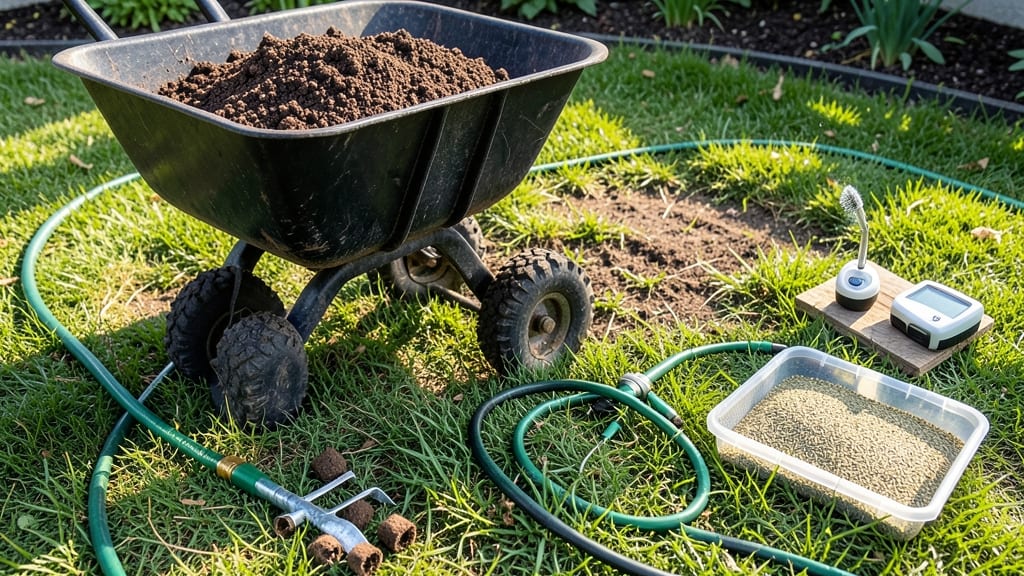
Your lawn can go from dull brown to vibrant green again in just 7 days—I’ve done it twice after neglecting mine during droughts. 🌱 The trick isn’t just water or fertilizer; it’s fixing the real issues holding back your grass: compacted soil, uneven watering, or hidden pests.
Most people waste weeks tossing seed or spraying chemicals when a quick reset is all they need.
Start with a soil check—dig a small hole and feel how compacted it is. If it’s hard as concrete, aeration (rent a core aerator for $60) opens up roots to breathe and drink. Then, water deeply once a week (1 inch total) instead of daily light sprinkles.
Shallow water stresses grass more than drought does. Pair that with a fast-acting organic fertilizer (like a 24-0-4) for instant color boost.
By day 7, you’ll see noticeable greening—not just surface moisture, but real root recovery. The key is consistency: keep watering deep for another 2 weeks, and avoid mowing until new growth hits 3 inches tall.
This method works in spring or summer, but skip it in winter when grass is dormant. For stubborn bare spots, overseed with a fast-germinating mix (like annual ryegrass) while you’re at it.
Pro tip: If your lawn has yellow patches, test for grubs or fungus first—those need targeted fixes. But 90% of dull lawns just need air, water, and a little food. The results? A lawn that looks professional in weeks, not months. Ready to transform yours?
📚 In This Guide
- What you need
- Instructions
- Tips and common mistakes
- Wrapping up and next steps
What you need
- ● Lawn fertilizer: Choose a high-quality, slow-release granular fertilizer with a balanced NPK ratio (e.g., 16-4-8 or 20-5-10). Aim for 1-2 pounds per 100 sq. ft. (check product instructions).
- ● Lawn mower: A sharp, well-maintained mower set to 3-4 inches for optimal grass health.
- ● Watering system: Hose with a sprinkler head or a soaker hose (for deep watering).
- ● Rake: A sturdy bendable rake (for dethatching) or a bow rake (for debris removal).
- ● Garden gloves: Heavy-duty gloves to protect your hands from thorns, dirt, and chemicals.
- ● Pruners or grass shears: For trimming overgrown edges or weeds.
- ○ Soil test kit (optional but recommended): To check pH and nutrient levels before fertilizing.
- ● Overseeding mix: Fast-growing grass seed (e.g., ryegrass or fescue) for bare spots.
- ● Soil conditioner: Compost or peat moss to improve drainage and aeration.
- ● Aerator: Manual or mechanical core aerator to relieve compacted soil.
- ● Pre-emergent herbicide: If weeds are a persistent issue (apply before seeding).
- ● Lawn roller: For smoothing out newly seeded areas (lightly!).
Step-by-Step instructions for reviving a dull lawn
Here’s how to jumpstart vibrant green grass in just a week—no waiting months for slow results.
💧 Step 1: Deep Water the Lawn at Night
Set your timer for 30-45 minutes and water until the soil absorbs 2-3 inches deep. You’ll know it’s enough when the water stops pooling and the top layer feels damp but not soggy. Early evening is best—this gives roots time to soak up moisture before the sun evaporates it.
I avoid quick sprinkles that barely wet the surface. Instead, use a soaker hose or adjust your sprinkler to deliver steady pressure. Watch for puddles—if water sits longer than 10 minutes, your lawn needs better drainage or shorter watering sessions.
☀️ Step 2: Mow High and Remove Debris
Set your mower to its highest setting—3-4 inches—to shade the soil and retain moisture. Bag the clippings to avoid thatch buildup, which smothers grass roots. After mowing, rake away any remaining leaves, twigs, or dead patches. A clear surface lets sunlight and water reach the soil directly.
Here’s the thing—short grass looks neat, but it stresses plants and leaves them vulnerable to heat and drought. Longer blades cast shade, keeping roots cooler and reducing evaporation. If your lawn looks patchy, mow in the same direction to avoid tearing the grass further.
🌱 Step 3: Apply a Fast-Acting Fertilizer
Choose a quick-release fertilizer with a high nitrogen content (look for a 30-0-5 ratio or similar). Spread it evenly using a broadcast spreader, following the package rate for your lawn size. Water lightly afterward to help the granules dissolve into the soil.
I like to fertilize after watering—this prevents the granules from burning the grass. You’ll see the first signs of green within 3-4 days, but don’t overdo it. Too much nitrogen can lead to rapid but weak growth, making the lawn more prone to disease.
✂️ Step 4: Aerate Compacted Soil
Rent a core aerator or use a garden fork to poke 3-4 inch deep holes every 3-4 inches across the lawn. This breaks up compacted soil, letting air, water, and nutrients reach the roots. Focus on high-traffic areas first—those are where compaction is worst.
After aerating, lightly rake the cores back into the soil. You’ll notice the lawn looks rough, but this is temporary. Within a week, the grass will fill in more evenly, and the roots will grow stronger. Skip this step if your soil is already loose and crumbly—over-aerating can damage healthy turf.
🌿 Step 5: Overseed Thin or Bald Spots
Sprinkle high-quality grass seed over bare patches, pressing it lightly into the soil with a lawn rake. Use a starter fertilizer mixed with the seed for extra nutrients. Water gently but thoroughly to keep the soil moist—not soggy—for the next 7-10 days. A light misting twice daily works best.
I time overseeding right after aerating so the seeds have direct contact with the soil. Choose a seed blend that matches your existing grass type (cool-season for fall, warm-season for spring). Avoid walking on the area until you see new growth, usually within 10-14 days.
Tips & tricks for reviving a dull lawn
Real talk: Your lawn can go from dull to vibrant in just a week—but only if you nail these key details.
Watering Wisdom: Those 30-45 minutes of watering in Step 1 are non-negotiable for deep root hydration. Use a rain gauge or tuna can (3.5 inches tall) to measure—when it fills, you've hit 2-3 inches of water. I've seen lawns recover faster when water penetrates this deeply, especially in clay soil. If you notice puddles lasting longer than 10 minutes, that's your sign to either shorten watering sessions or check for drainage issues.
Mowing Strategy: The 3-4 inch height in Step 2 might seem tall, but it's crucial for moisture retention. I always mow in the same direction to avoid tearing grass blades—this prevents stress and helps maintain that protective shade over roots. Pro tip: If your lawn has thick thatch (over ½ inch), consider dethatching first to let water and nutrients reach the soil properly.
Fertilizer Timing: That 3-4 day window for visible green in Step 3 is exciting, but here's what nobody tells you—apply fertilizer when the grass is dry. Wet grass can clump fertilizer granules, preventing even distribution. Also, avoid fertilizing if rain is forecast within 24 hours, or you'll wash away all those nutrients before roots can absorb them.
Aeration Insight: When you're poking those 3-4 inch deep holes in Step 4, focus on patterns—work in straight lines about 3 inches apart. I've found that renting a core aerator makes this step 10x easier than using a garden fork, especially for large lawns. After aerating, leave the soil cores on the surface for a day or two—they'll break down naturally and return nutrients to the soil.
Pro Tips for Make The Lawn Green Again
- Real talk: Your lawn can go from dull to vibrant in just a week—but only if you nail these key details.
- Watering Wisdom: Those 30-45 minutes of watering in Step 1 are non-negotiable for deep root hydration. Use a rain gau...
- Mowing Strategy: The 3-4 inch height in Step 2 might seem tall, but it's crucial for moisture retention. I always mow...
Frequently asked questions
Got questions about reviving your lawn? You’re not alone! Here are some common concerns—and quick answers—to help you get that lush green back fast.
Why is my lawn turning brown even after watering regularly?
Brown patches could mean overwatering (root rot), underwatering, compacted soil, or pests/disease. Check soil moisture 2 inches deep—it should feel like a damp sponge. If the issue persists, test for soil pH or fungal issues. Adjust watering to 1 inch per week (including rain) and aerate if soil feels hard.
Can I see results in just 7 days?
With the right care, you’ll notice greener spots within 3–5 days, but full revival takes 2–4 weeks. Focus on watering deeply (early morning), fertilizing (slow-release nitrogen), and removing debris. Skipping steps? Expect slower progress. Patience + consistency = that Instagram-worthy lawn!
What’s the cheapest way to make my lawn green again?
Skip pricey products! Start with:
- DIY fertilizer: Mix 1 cup coffee grounds (for nitrogen) + 1 tbsp Epsom salt (magnesium) per 5 sq ft.
- Free water: Use a hose with a sprinkler (no sprinkler system needed).
- Overseeding: Buy grass seed in bulk (e.g., $10–$20 for 5 lbs) and spread yourself.
Is it too late to fix my lawn in summer?
Summer’s tough, but not hopeless! Avoid peak heat (10 AM–4 PM)—water before 8 AM to reduce evaporation. Switch to shade-tolerant grass (like fine fescue) if your lawn is struggling. Cool-season grasses (Kentucky bluegrass, ryegrass) may need light overseeding in early fall for best results.
How do I tell if bugs or disease are killing my grass?
Check for these clues:
Issue
Signs
Fix
Grubs
Irregular brown patches that lift easily; moles/skunks digging.
Apply grub control (beneficial nematodes or imidacloprid) in early summer.
Fungal disease
Powdery white/moldy spots; slimy grass when wet.
Improve drainage, reduce watering, and apply fungicide (copper-based).
Dollar spots
Small, straw-colored circles with dark borders.
Mow high, water less frequently, and use fungicide.
Wrapping up and next steps
A lush, vibrant lawn isn’t just a dream—it’s a doable goal with the right care! By following these steps—watering deeply, mowing high, feeding with the right nutrients, and addressing hidden issues—you’ll see noticeable greening in just 7 days. 🌱✨
Don’t wait for "someday." Start today, stay consistent, and watch your lawn transform! Next up: Track your progress with weekly checks and adjust as needed—your perfect green oasis is closer than you think!