
Lawn
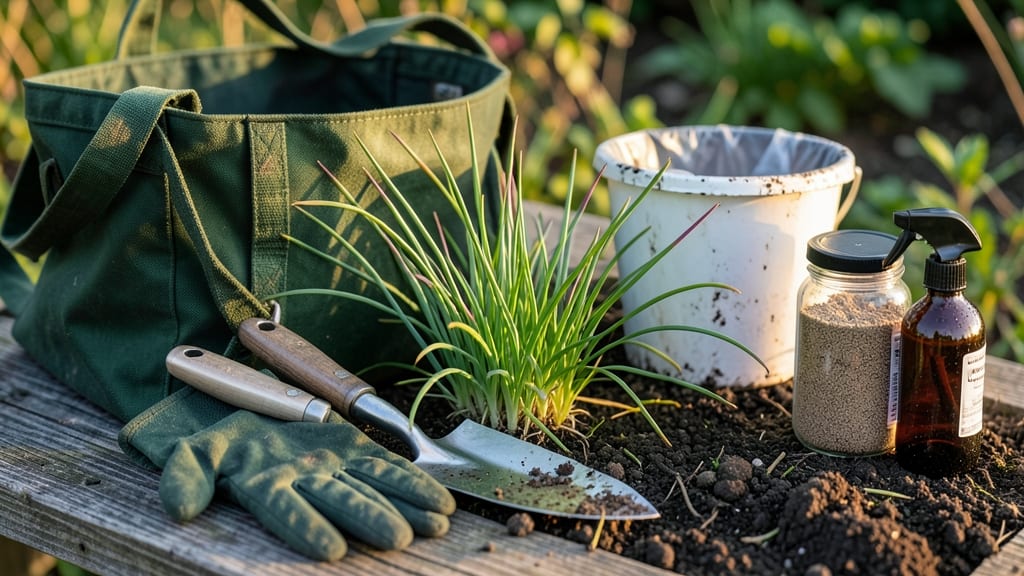
Wild onions in your lawn aren’t just a nuisance—they multiply faster than weeds in a summer storm. 🌱 I’ve battled these tenacious invaders for years, and the root-out method is the only way to guarantee they don’t return.
Pulling them by the roots in just three days (yes, really) saves your lawn from becoming an onion patch. The secret? Timing and technique. Wait until the grass is damp after rain or watering—roots loosen more easily, and you’ll spot the long, thin bulbs hiding beneath the surface.
A garden fork or trowel helps pry them out without damaging turf, while a bucket of soapy water catches stragglers. By day three, your lawn will look (and smell) like it did before the invasion.
The key is consistency: check weekly for new shoots, and you’ll keep them from staging a comeback. No chemicals, no guesswork—just elbow grease and a clear lawn. This method works in any season, though spring and fall are ideal.
For organic gardeners, consider vinegar sprays as a follow-up to kill any lingering root fragments. Your lawn will thank you—and so will your neighbors.
Root Causes of Lawn Invaders
Wild onions—those sneaky, grass-like weeds with a pungent kick—don’t just appear in your lawn by accident. They thrive because of specific conditions that favor their growth over your grass. Understanding why they take over is the first step to stopping them for good.
Let’s break down the science behind their persistence and how your lawn might be unwittingly inviting them in.
Wild onions (also called wild garlic or Allium vineale) spread primarily through seeds, which can remain dormant in your soil for years. These seeds are tough, with a hard outer coating that protects them from harsh conditions. Once your lawn experiences:
- Disturbance: Aeration, tilling, or even heavy foot traffic can wake dormant seeds, triggering germination.
- Moisture shifts: Wild onions love consistent moisture but can survive drought. A sudden rain after a dry spell signals seeds to sprout.
- Sunlight exposure: Seeds buried too deep (over ½ inch) may stay dormant, but shallow disturbances (like mowing or topdressing) bring them to the surface.
Actionable insight: If your lawn has never had wild onions before, they’re likely hitchhiking from nearby construction sites, neighbor’s yards, or even bird droppings (birds eat the bulbs and spread seeds).
Wild onions are opportunistic. They exploit weak spots in your lawn where grass struggles to compete. Common culprits include:
- Poor soil quality: Compacted, nutrient-poor, or acidic soil (pH < 6.0) weakens grass roots, giving wild onions an edge. They thrive in well-draining but fertile soil.
- Over/under-watering: Wild onions hate soggy roots but despise drought more. Irregular watering creates patches where they dominate.
- Pesticide/herbicide imbalance: Broadleaf herbicides (like 2,4-D) can kill wild onions—but if you’ve overused them, they may have triggered stress responses in your grass, leaving gaps.
- Shade or foot traffic: Areas under trees or high-traffic zones (like pet paths) often have thinner grass, perfect for wild onion colonization.
Pro tip: Test your soil’s pH and nutrient levels—aim for a pH of 6.0–7.0 and add compost or fertilizer to crowd out weeds naturally.
Unlike seeds, wild onion bulbs and bulbils (tiny bulb-like structures) spread aggressively via underground runners. Here’s how:
| Spread Method | How It Happens | Signs to Watch For |
|---|---|---|
| Root runners | Each bulb produces horizontal roots that sprout new bulbs 5–10 feet away over time. | Clusters of onions in straight lines or rings in your lawn. |
| Bulbils | These seed-like bulbs form on flower stalks and drop to the soil, germinating quickly. | Small, round "onion-shaped" weeds popping up in spring/summer after flowering. |
| Mowing/tiling | Cutting flower stalks or disturbing soil accelerates bulbil spread. | Wild onions returning in the same spots year after year. |
Key takeaway: If you’ve pulled wild onions but they keep coming back, bulbs are likely still in the soil. Manual removal alone won’t cut it—you need a systemic approach.
Wild onions follow a two-year life cycle, which explains why they seem to vanish and reappear:
- Year 1: Seeds sprout into grass-like shoots (no bulbs yet). You might mistake them for grass.
- Year 2: Plants flower (white/purple umbels), produce bulbils, and develop bulbs underground. This is when they’re most visible—and invasive.
- Year 3+: Bulbs divide, creating dozens of new plants per original bulb.
Why this matters: If you only treat wild onions when they’re flowering, you’re missing the first year when they’re already spreading underground. Preventative measures (like pre-emergent herbicides in early spring) are critical.
💡 Remember: Wild onions don’t just invade—they exploit weaknesses in your lawn’s ecosystem. The good news? Once you identify the root causes (literally), you can starve them out before they take over. Next up: How to Outsmart Them.
Quick Fixes for Wild Onion Takeover
Wild onions may seem stubborn, but with the right approach, you can reclaim your lawn in just a few days. The key is targeting the root cause—whether it’s seeds, bulbs, or regrowth—and using methods that are both effective and eco-friendly.
Below, we’ve mapped out solutions based on the most common reasons wild onions invade your lawn, plus tips to keep them from coming back.
If wild onions are popping up in patches, the fastest way to eliminate them is by physically removing every part of the plant—roots, bulbs, and all. Since wild onions spread aggressively, even a small piece left behind can regrow.
🍳 Step-by-Step Digging Guide
- Timing is Everything 🌱
- Pull weeds when the soil is moist (after rain or watering) but not muddy. Early morning or late afternoon works best to avoid the midday sun.
- Grab and Twist 👨🍳
- Use a weeding tool or your hands to grip the base of the plant.
- Twist firmly to loosen the bulb from the soil—don’t just yank, or you’ll snap the plant and leave the root behind.
- Inspect and Repeat 🔍
- Check the soil for leftover bulb fragments (even tiny pieces can regrow).
- Dig deeper if needed—wild onion bulbs can burrow 6+ inches into the soil.
- Dispose Properly 🗑️
- Do NOT compost wild onions—they’ll just spread.
- Seal them in a trash bag or burn them (if local regulations allow).
✨ Pro Tip: If your lawn is heavily infested, consider renting a sod cutter to remove the top layer of soil (where most bulbs reside) and replace it with fresh topsoil.
For stubborn patches where digging isn’t enough, high heat can kill wild onions on contact. This method works best for small, localized areas.
⏰ How to Apply Boiling Water
- Boil Water 🔥
- Fill a kettle or large pot with water and bring it to a rolling boil.
- Target the Base 🎯
- Pour the boiling water directly over the wild onion foliage and soil around the roots.
- Focus on the entire plant, including any hidden bulbs.
- Repeat Weekly 📅
- Wild onions are tough, so reapply every 5–7 days for 2–3 weeks to ensure all roots are dead.
- Best done on sunny days when the soil is dry (helps concentrate the heat).
⚠️ Warning: Avoid pouring boiling water near desirable plants or grass—it can cause damage.
If you prefer a natural approach, a homemade vinegar and salt solution can dry out wild onions without harsh chemicals. This works best for small infestations in cracks, sidewalks, or driveways.
🔪 DIY Wild Onion Killer Recipe
| Ingredient | Amount | Purpose |
|---|---|---|
| White vinegar | 1 gallon | Kills plant tissue on contact |
| Salt | 2 cups | Draws moisture from roots |
| Dish soap | 1 tbsp | Helps solution stick to leaves |
How to Use:
- Mix ingredients in a spray bottle or watering can.
- Spray generously over wild onion leaves and soil around the base.
- Reapply every 2–3 days until the plants turn brown and die (usually 5–7 days).
- Pull dead plants once they’re wilted to remove any remaining roots.
💡 Pro Tip: For better results, spray on a sunny day—the sun intensifies the vinegar’s effects.
Once you’ve cleared your lawn, take these steps to stop wild onions from returning:
- Improve Soil Health 🌿
- Wild onions thrive in poor, compacted, or nutrient-deficient soil.
- Aerate your lawn in the fall to loosen the soil and encourage grass growth.
- Add compost to outcompete weeds naturally.
- Mow High and Often ⏱️
- Keep your lawn 3–4 inches tall—taller grass shades out weeds.
- Mow regularly to prevent wild onions from seeding.
- Use Pre-Emergent Herbicides (Strategically) 🛡️
- Apply a pre-emergent herbicide (like corn gluten meal) in early spring to prevent weed seeds from germinating.
- Avoid post-emergent sprays if you want to keep your lawn chemical-free.
- Plant Competitive Ground Covers 🌱
- Overseed with dense, fast-growing grasses (like fine fescue or perennial ryegrass) to crowd out wild onions.
- Consider clover or creeping thyme in sunny areas—they suppress weeds naturally.
- Check for Hidden Bulbs When Landscaping 🔍
- Before planting new flowers or shrubs, inspect the soil for wild onion bulbs.
- Remove any you find to prevent spread.
For large, persistent infestations, soil solarization is a powerful, chemical-free method that kills weeds and bulbs using the sun’s heat.
How to Solarize Your Lawn
- Choose the Right Time ☀️
- Do this in late spring or early summer when temps are consistently above 85°F (29°C).
- Prep the Soil 🌱
- Mow the lawn short (½ inch tall).
- Water the area thoroughly the day before to help trap heat.
- Cover with Clear Plastic 📦
- Lay thick, clear plastic sheeting (4–6 mil) over the infested area.
- Secure edges with rocks or soil to create a greenhouse effect.
- Leave for 4–6 Weeks ⏳
- The trapped heat will kill wild onion bulbs, seeds, and roots within a month.
- Check periodically to ensure the plastic stays in place.
- Remove Plastic and Replant 🌿
- After treatment, remove the plastic and any dead plant matter.
- Reseed or lay new sod to restore your lawn.
✨ Pro Tip: Solarization also kills other weeds, grubs, and soil-borne diseases, giving you a clean slate for grass.
Final Reminder: Consistency is key! Wild onions are persistent, so combine methods (digging + solarization + prevention) for the best results. With a little effort, your lawn will be wild onion-free in no time!
Frequently asked questions
Why do wild onions keep coming back after I pull them?
Wild onions spread through underground bulbs and bulbils that can regrow from even tiny fragments left behind. The roots extend deep (up to 6 inches), so pulling by hand often misses pieces. For lasting results, dig with a trowel or use boiling water on the soil afterward to kill hidden bulbs.
Can I use regular vinegar to kill wild onions, or do I need the salt mix?
Plain white vinegar works but is less effective alone. The salt mix (1 gallon vinegar + 2 cups salt) enhances results by drawing moisture from roots. For stubborn patches, reapply every 2-3 days until plants wilt completely. Test on a small area first—vinegar can damage nearby plants.
Is solarization safe for my grass if I want to keep it?
No—soil solarization kills all plants under the plastic, including grass. Use this method only on areas you plan to reseed or replace with sod. For lawns, focus on targeted digging or spot treatments like boiling water instead. Solarization works best for driveways or garden beds where you want a clean slate.
How can I tell if what I’m pulling is actually wild onion versus grass?
Wild onions have long, thin leaves (like grass) but with a hollow, round stem when cut. Crush a leaf—if it smells strongly of onions or garlic, it’s the weed. In spring, look for white/purple flower clusters (umbels) that appear before grass blooms. Early morning is the best time to spot them.
Will pre-emergent herbicides stop wild onions from spreading?
Yes, but timing is critical. Apply corn gluten meal (organic option) or synthetic pre-emergents in early spring before seeds germinate. These block weed seeds from sprouting while letting grass grow. For existing bulbs, pre-emergents won’t help—you’ll still need to dig them up first.