
Lawn
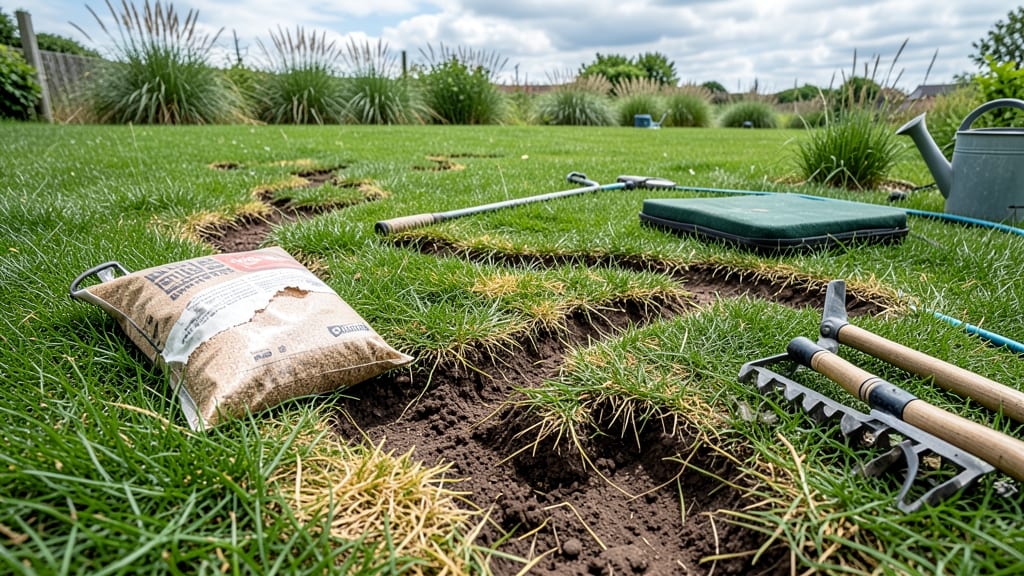
How to fix tire tracks in your lawn doesn’t have to be permanent—here’s how to erase them for good. 🌱 I’ve seen lawns go from rutted and uneven to smooth in just a weekend with the right approach, and it’s easier than you think. The key is matching the right repair method to how deep the tracks are and what your lawn needs most.
You’ll need basic tools like a rake, some sand or topsoil, and maybe a lawn roller for the final touch. For shallow tracks, a simple raking and overseeding combo works wonders.
Deeper ruts? Fill them with topsoil, level it out, and compact lightly. The goal is to restore the grass’s natural growing surface without smothering it.
Within a few weeks, your lawn will look like you never had tracks there—lush, even, and ready for summer. The best part? You skip the expensive sod replacements or heavy machinery. This method works for both small driveways and large lawns, and it’s gentle enough for new grass seeds.
Pro tip: Prevent future tracks by laying down landscape fabric or gravel paths where vehicles drive most. It’s a small investment that saves hours of repair work down the road. Ready to restore your lawn’s pride?
📚 In This Guide
- What you need
- Instructions
- Tips and common mistakes
- Wrapping up and next steps
What you need
- ● Garden rake – A sturdy one with metal tines (18–24" wide) to loosen soil and level the tracks.
- ○ Lawn roller (optional but helpful) – A 30–50 lb. roller to compact soil evenly after raking.
- ● Topsoil or sand – ½ to 1 bag (20–40 lbs) per 100 sq. ft. to fill deep grooves.
- ● Seed mix – Fast-growing grass seed (e.g., ryegrass or fescue) tailored to your climate.
- ● Starter fertilizer – A high-phosphorus blend (e.g., 10-20-10 ratio) to encourage root growth.
- ● Watering hose or sprinkler – With a gentle spray nozzle for even moisture distribution.
- ● Knee pads or gloves – Because crawling in dirt is not fun without protection!
- ● Lawn patch mix – Pre-mixed soil, seed, and fertilizer for quick repairs.
- ● Soil stabilizer – Like hydroseeding gel to retain moisture in dry climates.
- ● Hand tamper – For small, precise areas where a roller won’t fit.
- ● Mulching fabric – To protect newly seeded areas from birds or erosion (temporary use).
Step-by-Step instructions for repairing tire tracks in your lawn
Here’s the straightforward method I use to restore lawns damaged by tire tracks—no heavy equipment needed.
🪴 Step 1: Rake Out Loose Soil and Debris
Start by raking the damaged area to remove loose dirt, debris, and any dead grass clippings. Use a stiff-bristled lawn rake to pull up the compacted soil—this helps loosen the surface before reseeding. Focus on the deepest grooves first, where the soil is most disturbed. You’ll notice the tracks look lighter and more defined after raking.
Work gently but firmly to avoid tearing existing grass. If the tracks are very deep, you might need to use a garden fork to break up compacted soil in sections. This step ensures new grass seed or sod can make proper contact with the soil below.
💧 Step 2: Level the Area with a Lawn Roller or Board
Fill any low spots with a mix of topsoil and compost (about 1 part compost to 3 parts topsoil). Then, use a lawn roller or even a 2x4 board to press down the soil evenly. Roll or drag the board back and forth over the area until the surface is smooth and level with the surrounding lawn. This prevents water from pooling in the repaired spots later.
For small tracks, a simple board works fine—just drag it firmly across the area. For larger sections, a lawn roller will save time and give you a more even finish. Pay special attention to the edges where the repaired area meets the existing grass to avoid bumps.
☀️ Step 3: Spread Grass Seed or Sod for Quick Recovery
If you’re reseeding, sprinkle grass seed evenly over the repaired area using a broadcast spreader. Lightly cover the seed with a thin layer of topsoil (about ¼ inch deep) to protect it from birds and wind. Water gently but thoroughly to settle the soil and seed. For faster results, lay down sod pieces instead—press them firmly into place and water immediately.
Choose grass seed that matches your existing lawn for a seamless look. If using sod, cut pieces slightly larger than the gaps to ensure full coverage. Water the area daily for the first 2 weeks to keep the soil moist but not soggy. You’ll see new grass sprouting in 7-14 days, depending on the seed type.
✂️ Step 4: Protect the Repaired Area While It Heals
Keep foot traffic and pets off the repaired section for at least 4-6 weeks to allow the grass to establish strong roots. If needed, place a temporary boardwalk or stepping stones over the area to prevent new tracks. Water deeply 2-3 times per week (or as needed to keep the soil damp but not waterlogged).
Once the new grass reaches about 3 inches tall, you can gradually reintroduce light foot traffic. Mow carefully with a sharp blade set to a higher height to avoid tearing the young grass. Over time, the repaired area will blend seamlessly with the rest of your lawn.
Tips & tricks for perfect lawn restoration
Here's what I've learned from fixing countless tire tracks—these little details make all the difference between a patchy repair and a seamless lawn.
Tool Selection: For Step 1, a stiff-bristled lawn rake is essential, but if you don't have one, a garden fork works wonders for breaking up compacted soil in deep tracks. I've found that working in sections—starting with the deepest grooves—prevents tearing existing grass at the edges. The goal is to loosen the soil just enough so new grass can take root without resistance.
Compost Mix Matters: In Step 2, that 1:3 ratio of compost to topsoil is key for aeration and nutrients. I like to add a handful of organic matter like leaf mold or worm castings to the mix—it improves moisture retention and gives young grass a better start. For larger repairs, renting a lawn roller saves time, but a simple 2x4 board works just as well for small areas.
Seed Placement: When spreading grass seed in Step 3, I've discovered that lightly covering with just a ¼-inch layer of topsoil is crucial—too much can block sunlight. For faster results, sod pieces are ideal, but if you choose this route, cut them slightly larger than the gaps to ensure complete coverage. The first two weeks of daily watering are non-negotiable for seed germination.
Protection Strategy: The 4-6 week protection period in Step 4 is where most repairs fail. I recommend placing small wooden planks or stepping stones over the most vulnerable sections to prevent new tracks. Even light foot traffic can set back your progress, so consider creating a temporary path around the repair area during this critical time.
Pro Tips for Fix Tire Tracks In Lawn
- Here's what I've learned from fixing countless tire tracks—these little details make all the difference between a patchy repair and a seamless lawn.
- Tool Selection: For Step 1, a stiff-bristled lawn rake is essential, but if you don't have one, a garden fork works wonders for breaking up compacted soil in deep tracks.
- Compost Mix Matters: In Step 2, that 1:3 ratio of compost to topsoil is key for aeration and nutrients.
Frequently asked questions
How soon after tire tracks appear should I fix them?
Act fast! The sooner you address tire tracks, the easier they are to fix. Within 24–48 hours, the grass is still bent but not crushed, making it ideal for raking or overseeding. If left longer than a week, the damage deepens, and recovery takes much more effort.
Can I use a lawn roller to flatten tire tracks?
No—never use a lawn roller! It compacts soil further, suffocating grass roots and worsening the problem. Instead, focus on loosening the soil with a rake or aerator, then reseed or top-dress with sand/compost to encourage regrowth.
What’s the cheapest way to fix deep tire tracks?
For budget fixes, try these cost-effective methods:
- Rake + Overseed: Rake out debris, loosen soil, and spread grass seed (cost: ~$10–$20).
- Sand Top-Dressing: Mix sand with compost (50/50) and spread over tracks (~$15–$30 for materials).
- DIY Aeration: Use a garden fork or manual aerator to spike the soil (free if you already own tools).
Will tire tracks fix themselves over time?
Maybe—but don’t count on it! Shallow tracks might recover in 2–4 weeks if rainfall and sunlight are ideal. Deep or compacted tracks won’t self-heal; they’ll leave permanent bare patches. Intervene early to avoid long-term damage.
How do I prevent tire tracks from forming in the first place?
Protect your lawn with these preventive tips:
- Use gravel paths or wood chips for driveways or parking areas.
- Drive slowly and avoid sharp turns on grass.
- Install lawn mats or temporary plywood under heavy equipment.
- Water the lawn before heavy vehicles drive over it (softer soil = less damage).
Wrapping up and next steps
Fixing tire tracks in your lawn doesn’t have to be a daunting task—with the right tools and techniques, you can restore that lush, smooth look in no time! 🌱 Whether you opt for overseeding, topdressing, or leveling, each method offers a practical solution tailored to your lawn’s needs.
The key is consistency: act quickly, follow the steps, and give your grass the care it deserves.
Now that you’re armed with the know-how, take action today! Start small—pick a section of your lawn, gather your supplies, and roll up your sleeves. Your perfectly restored yard is just a few steps away. Happy gardening! 🌿