
Lawn
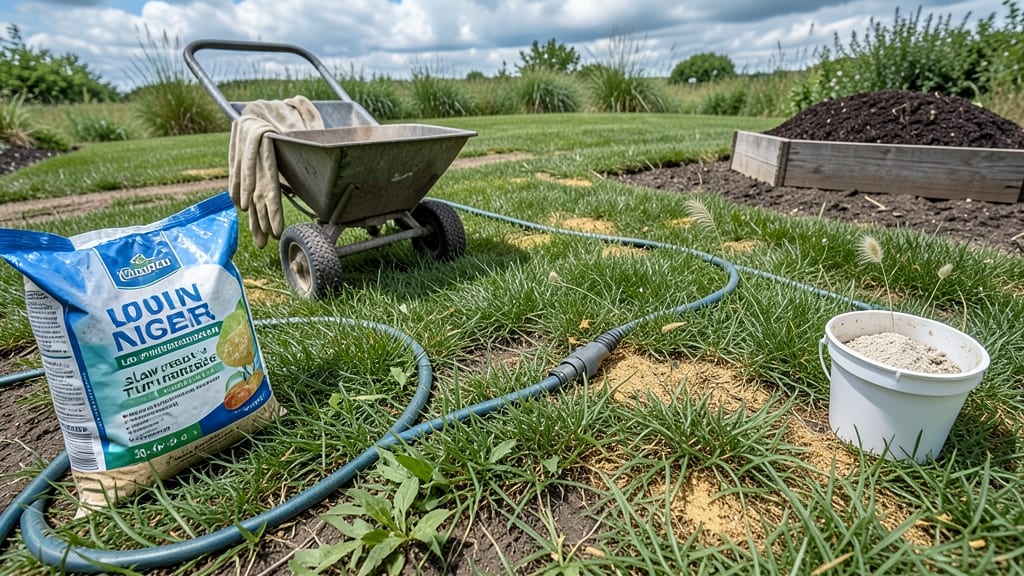
Dog urine can fix the lawn killed by dog urine faster than you can say "potty break"—but only if you act right. 🌱 The good news? I've revived lawns from this exact problem using just three simple steps—no expensive treatments required.
The damage comes from urine's high nitrogen content burning grass roots. Most people overwater or over-fertilize trying to fix it, which makes things worse. Instead, focus on spot repair with the right soil mix and gentle watering techniques.
You'll see new green growth in 7-10 days with proper care, and the patches will blend right in. The key is acting fast and avoiding common mistakes that slow recovery. Works for any grass type and even works on small patches.
Here's how to make your lawn look like it never happened!
The Root Causes Behind Dead Grass
If your once-lush lawn now has patchy, yellowed spots where your dog frequently urinates, you’re not alone. Dog urine damage is a common—and frustrating—issue for pet owners. But why does it happen?
The answer lies in the chemistry of urine and how it interacts with your grass. Let’s break down the science behind the problem so you can tackle it effectively.
Dog urine is highly concentrated in ammonia (NH₃) and nitrogen (N), both of which are toxic to grass in high doses. When your dog pees, the urine first appears as a white, foamy residue—this is ammonia at work.
While ammonia itself isn’t directly harmful to grass, it quickly converts into nitrates (NO₃⁻) through a process called nitrification, carried out by soil bacteria.
Here’s the kicker: Grass needs nitrogen to grow, but in concentrated doses, it becomes a chemical burn. The high salt content in urine also disrupts the soil’s moisture balance, causing grass cells to dehydrate and die.
Think of it like over-salting a steak—too much ruins the flavor (and in this case, the grass).
Key signs:
- Bright yellow or white patches where urine pools
- Crunchy, brittle grass that snaps easily
- Soil that feels unusually dry or crusty in affected areas
Urine is naturally alkaline (pH 7–9), while most lawns thrive in a slightly acidic to neutral range (pH 6–7.5). When urine repeatedly raises the soil’s pH, it creates an unfriendly environment for grass roots. High pH levels can:
- Lock out essential nutrients like iron, manganese, and phosphorus, which grass needs to stay green.
- Disrupt beneficial soil microbes that help break down organic matter and cycle nutrients.
- Increase soil compaction over time, making it harder for roots to absorb water and oxygen.
Over time, this imbalance weakens the grass, making it more susceptible to disease, drought, and further urine damage. It’s like giving your lawn a slow-motion chemical attack.
Dog urine isn’t just about what’s in it—it’s also about how it affects water movement in the soil. Urine contains high levels of solutes (dissolved salts and minerals), which create an osmotic imbalance. Here’s how it works:
- Urine deposits increase the solute concentration in the soil around the roots.
- This causes water to move out of the grass roots (a process called osmotic shock) to balance the concentration.
- Without enough water inside the cells, the grass wilts and dies, even if the soil looks moist.
Why it’s worse in hot/dry climates: Grass already struggles to retain moisture in heatwaves. Add urine to the mix, and the osmotic effect accelerates dehydration. It’s like trying to water a plant with saltwater—counterproductive!
Frequent urination in the same spots doesn’t just harm grass—it also compacts the soil. When your dog pees repeatedly, their weight (and any paw pressure) compresses the soil, reducing the space between soil particles. This leads to:
- Poor air circulation, which smothers roots.
- Reduced water infiltration, causing puddling and runoff.
- Weakened root systems that can’t absorb nutrients efficiently.
Compacted soil is like wearing a too-tight shoe—eventually, even the healthiest grass will struggle to breathe and grow. And once roots are damaged, recovery takes time.
Pro Tip: 💡 If your lawn has multiple urine spots, the damage is likely a combination of these factors. The good news? Understanding the science means you can target fixes (like diluting urine, adjusting pH, or aerating soil) for faster results.
Revive Your Lawn in 3 Steps
Now that you understand why dog urine damages your lawn, let’s tackle the problem head-on with practical, actionable solutions tailored to the root cause. Whether your grass is yellowing, patchy, or completely dead, these fixes will help restore your lawn—without breaking the bank or your back.
Dog urine is highly concentrated with nitrogen, which burns grass roots on contact. The first step is to dilute and remove the excess nitrogen before it causes permanent damage.
🔥 Dilute the Spot (Best for Fresh Accidents)
If you catch your dog mid-pee or notice a fresh spot: 1. Grab a hose and immediately rinse the area with 10–15 seconds of water.
- Focus on the center of the urine patch to dilute the concentration.
- Repeat 2–3 times if the area is large or heavily saturated.
✨ Pro Tip: If you don’t have a hose, sprinkle a thin layer of soil or compost over the spot to absorb some of the urine before watering.
💦 Deep Watering (For Established Damage)
If the spot has been there for a while and the grass is already thinning: 1. Water the affected area deeply (about 1 inch of water) to help flush out residual nitrogen.
- Use a soaker hose or sprinkler to ensure even coverage.
- Repeat every 2–3 days for a week to encourage root recovery.
If the urine has already killed patches of grass, you’ll need to stimulate regrowth or fill in the gaps.
🌱 Overseeding (For Thinning or Patchy Grass)
- Rake the dead spots gently to loosen the soil (don’t dig too deep—just break up the surface).
- Spread grass seed (choose a type that matches your existing lawn, like fescue or ryegrass).
- Lightly cover with soil (¼ inch max) and water daily until the new grass sprouts (usually 7–14 days).
- Avoid walking on the area until the new grass is at least 2–3 inches tall.
💡 Pro Tip: For faster results, use a lawn repair mix (a blend of seed and mulch) instead of bare seed.
🛠️ Sod Patches (For Large Bare Spots)
If overseeding isn’t an option or the damage is extensive:
- Cut out the dead grass in a clean, rectangular shape.
- Measure the hole and buy a small piece of sod from a nursery.
- Lay the sod firmly into the hole, ensuring the edges match the existing lawn.
- Water lightly for the first week, then gradually reduce as the sod establishes roots.
⏰ Time-Saver: Pre-cut sod sheets are easier to install than full rolls for small repairs.
The best way to fix a dog urine-killed lawn is to stop it from happening again. Here’s how:
🐕 Train Your Dog (Best Long-Term Solution)
- Teach a "go potty" command in one spot (like a designated gravel or mulch area).
- Use positive reinforcement (treats, praise) when they pee in the right place.
- Limit water intake before walks—less water = less urine volume.
🌡️ Adjust Watering Habits
- Encourage your dog to drink more at home by providing fresh water before walks.
- Water the lawn after your dog goes to dilute any missed spots.
🌿 Choose Dog-Friendly Grass Types
Some grasses are more resilient to urine damage:
- Buffalo grass (drought-resistant and tough)
- Kentucky bluegrass (recovers well from stress)
- Fescue (deep roots help it bounce back faster)
🎯 Bonus: If possible, plant clover or moss in high-traffic dog areas—they tolerate urine better than grass!
| Problem | Solution | Time to See Results |
|---|---|---|
| Fresh urine burn | Dilute with water immediately | Instant relief |
| Yellowing/thinning grass | Deep watering + overseeding | 1–2 weeks |
| Large dead patches | Sod replacement or overseeding | 2–4 weeks |
| Recurring damage | Train dog + adjust watering habits | Ongoing prevention |
Final Thought: With a little effort, your lawn can bounce back—even after dog urine damage. Start with immediate flushing, then repair and reinforce, and finally prevent future mishaps. Your grass (and your dog) will thank you! 🐾
Frequently asked questions
Why does dog urine kill grass so quickly?
The high nitrogen and ammonia in urine create a chemical burn that dehydrates grass roots. The alkaline pH (7-9) disrupts soil nutrients, while concentrated salts cause osmotic shock, pulling moisture from plant cells. This happens within hours of contact, especially in hot/dry conditions.
Can I use vinegar to fix urine-damaged lawns?
No—vinegar's acidity will harm your grass further by lowering soil pH too much. Instead, use water or compost to dilute urine and restore balance. For pH adjustment, test your soil first and consider lime (to raise pH) if needed, but never vinegar.
How long until new grass grows after overseeding?
New grass typically sprouts in 7-14 days with daily watering (¼ inch/day). For faster results, use a lawn repair mix (seed + mulch) and avoid walking on it until blades reach 2-3 inches tall. Shade and cooler temps may slow germination.
What's the best grass type to prevent future urine damage?
Choose buffalo grass (drought-resistant) or Kentucky bluegrass (fast recovery). For high-traffic areas, consider clover or moss, which tolerate urine better than most grasses. These options need less frequent watering to dilute urine effects.
Will my lawn ever look completely normal after urine damage?
Yes! With proper dilution, overseeding, and prevention, repaired patches blend seamlessly. The key is acting fast—fresh spots recover in 1-2 weeks, while large patches take 4-6 weeks. Regular maintenance keeps your lawn lush and resilient.