
Propagation
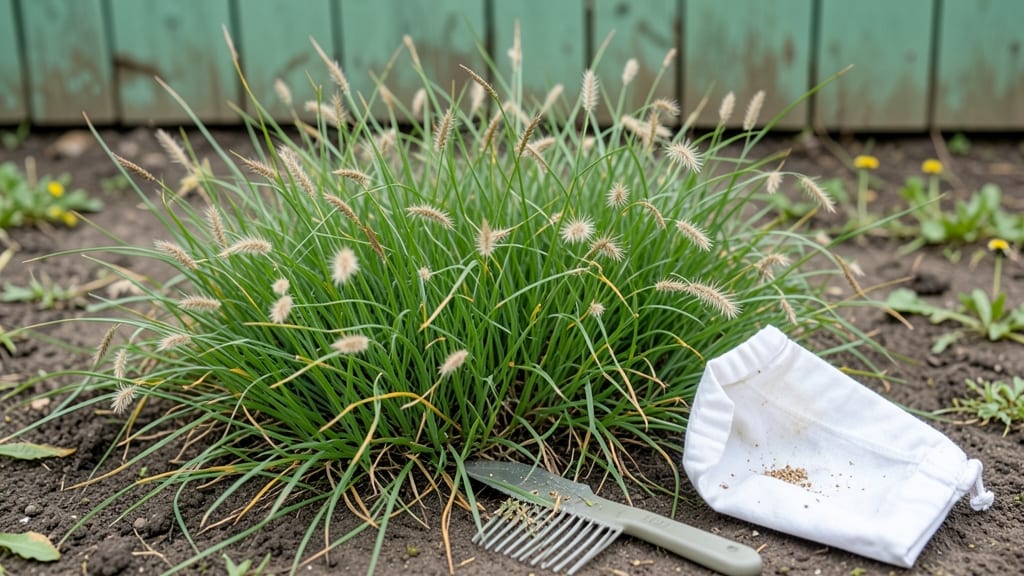
Harvesting grass seed at the right moment means the difference between a bountiful yield and a scattered mess across your lawn.
I learned this the hard way after watching my first crop shatter in a summer breeze—now I check for those golden seed heads that feel dry and papery, not just the color.
The timing window is narrow, but once you master it, you’ll collect enough seed to fill bags, not just handfuls.
You’ll need basic tools: a sharp sickle or scythe for cutting, a tarp or canvas sheet to catch falling seed, and a rake to gather what slips through.
Warm-season grasses like Bermuda and Zoysia release seed when temperatures drop below 85°F, while cool-season types like Kentucky bluegrass mature in late spring. The key is patience—harvest on a dry, windless morning when seed heads are fully open but haven’t started shedding.
Once cut, spread the seed heads on your tarp and let them dry for 24 hours in a shaded spot. Then, gently rub them by hand or with a gloved fist to separate the seed from chaff. A fine-mesh screen helps sift out debris, leaving clean seed ready for storage.
Properly stored in a cool, dry place, your harvest will last for years—just don’t rush the drying process or you’ll end up with damp, moldy seed.
Different grass types behave differently, so adapt your approach. Tall fescue, for example, benefits from a second harvest if some seed remains after the first pass. And if rain threatens, cover your tarp with a waterproof sheet to protect your efforts.
With practice, you’ll turn what seems like a chaotic process into a reliable way to save money and ensure your lawn always has the best seed stock.
📚 In This Guide
- What you need
- Instructions
- Tips and common mistakes
- Wrapping up and next steps
What you need
- ● Grass seed harvesting machine (e.g., Brillion, Great Plains, or John Deere) – Rent or purchase based on field size.
- ● Sickle bar mower (adjustable height, 12–24" cutting width) – For initial cutting before harvesting.
- ● Grain cart or trailer – To transport cut seed to processing areas.
- ● Seed thresher or combine harvester – For separating seed from chaff (capacity: 5–10+ acres/hour).
- ● Tarp or canvas drop cloths (10’x15’ or larger) – To collect and dry seed.
- ● Pruners or hedge shears – For hand-harvesting small patches or ornamental grasses.
- ● Gloves & long sleeves – To protect against thorns, dust, and seed allergies.
- ● Buckets or burlap sacks (5–10 gallon) – For temporary seed storage.
- ● Seed cleaner/blower – Removes chaff, debris, and unwanted seeds for purity.
- ● Moisture meter – Ensures seed is dry enough (6–10% moisture) before storage.
- ● Portable generator – Powers equipment in remote fields.
- ● Labeling tags & permanent marker – Track seed varieties and harvest dates.
- ● Weatherproof storage bins – Airtight containers to prevent mold or pests.
Step-by-Step instructions for harvesting grass seed effectively
Here's how I time and harvest grass seed for the thickest, most reliable yields every season.
Identify the Right Harvest Window
Grass seed is ready when 50-70% of the seedheads turn golden-brown while the rest remain green. This stage ensures maximum yield without waiting too long for shattering. I check daily during the last two weeks of summer—morning is best because dew can make seedheads appear wetter than they are.
Run your hand gently over the seedhead clusters. If seeds release easily but stems stay firm, they're perfect for harvesting. If they crumble at the touch, you've waited too long. For cool-season grasses like Kentucky bluegrass, harvest when seedheads are fully mature but before they turn completely brown and brittle.
Prepare Your Harvesting Tools and Space
Use a sharp sickle or scythe to cut seedheads at ground level, leaving 3-4 inches of stem attached. This prevents damage to the crown while keeping seedheads intact. I work in small sections (3x3 feet) to avoid missing mature seedheads while they're still at peak ripeness.
Lay the cut seedheads on a clean tarp or canvas sheet in a shaded, dry area. Avoid plastic—it traps moisture and encourages mold. Space them out so they don't overlap, which makes drying even. A fan on low setting nearby helps circulate air without disturbing the seedheads.
Dry and Thresh the Seedheads
Leave seedheads on the tarp for 5-7 days in dry weather, turning them daily. They're fully dry when you can crush a seedhead in your hand and hear seeds rattle inside. If humidity stays high, extend drying time to 10 days—mold or rot will ruin your harvest overnight.
Once dry, bundle 10-12 seedheads at a time and beat them against a hard surface (like a wooden board) with a rubber mallet to release seeds. I wear a dust mask—this step kicks up a lot of chaff. Sift the mixture through a fine mesh screen to separate seeds from debris. Repeat until all seedheads are processed.
Clean and Store the Harvested Seed
Spread the sifted seeds on a clean sheet to air-dry for 24 hours, stirring occasionally. This removes any lingering moisture that could cause spoilage. Once completely dry, transfer seeds to paper bags or breathable cloth sacks—plastic traps moisture and leads to mold.
Store seeds in a cool, dry place (around 50-60°F) where they won't be exposed to light. Label each bag with the grass type and harvest date. Properly stored, grass seed stays viable for 2-3 years, though germination rates drop after the first year.
Tips & tricks for harvesting grass seed effectively
These practical strategies will help you maximize your grass seed harvest without wasting time or effort.
Harvest Window Timing: I can't stress enough how critical the 50-70% golden-brown stage is in Step 1. Check your seedheads in the morning when dew is present—it makes them appear wetter than they actually are. If you're unsure, do the touch test: seeds should release easily but stems should remain firm. Waiting too long means seeds will shatter and you'll lose yield. For cool-season grasses like Kentucky bluegrass, harvest immediately when you see that perfect balance of mature and green seedheads.
Drying Strategy: The 5-7 day drying period in Step 3 is non-negotiable for quality. If humidity is high, extend to 10 days—mold can ruin your entire harvest overnight. I've learned this the hard way after losing multiple batches to damp conditions. Place your tarp in a shaded area to prevent overheating, which can damage seeds. Turn seedheads daily to ensure even drying on all sides. A fan on low setting helps without disturbing the delicate seedheads.
Threshing Technique: When you're ready to thresh in Step 3, bundle exactly 10-12 seedheads at a time. Using fewer makes the process too slow, while more makes it difficult to control. I use a rubber mallet on a wooden board—it's gentle enough to avoid crushing seeds but firm enough to release them effectively. Always wear a dust mask during this step; the chaff creates a cloud that can irritate your lungs. Sift through a fine mesh screen immediately after threshing to separate seeds from debris.
Storage Conditions: The 24-hour final drying period and 50-60°F storage temperature in Step 4 are crucial for long-term viability. Spread seeds on a clean sheet in a single layer to ensure complete drying. Once packaged in paper bags or cloth sacks, store them in a cool, dark place—light and heat accelerate degradation. Label each bag with the grass type and harvest date; this helps you track germination rates over time. Properly stored seeds remain viable for 2-3 years, though germination rates decline after the first year.
Pro Tips for Harvesting Grass Seed
- These practical strategies will help you maximize your grass seed harvest without wasting time or effort.
- Harvest Window Timing: I can't stress enough how critical the 50-70% golden-brown stage is in Step 1.
- Drying Strategy: The 5-7 day drying period in Step 3 is non-negotiable for quality.
Frequently asked questions
Got questions about harvesting grass seed?
You’re not alone! Whether you’re a first-timer or a seasoned gardener, timing, tools, and techniques can feel tricky. Here are answers to the most common questions to help you crush your harvest like a pro.
When is the best time to harvest grass seed?
Harvest grass seed when 50-70% of the seedheads have turned golden-brown and are ready to shatter. For cool-season grasses (like fescue or ryegrass), aim for late summer to early fall. Warm-season grasses (like Bermuda or zoysia) are best harvested in late spring to early summer. Avoid harvesting in damp conditions—wait for dry, sunny days!
What tools do I need for harvesting grass seed?
You’ll need a few key tools: a scythe or sickle (for small patches), a grass seed harvester (for larger areas), gloves (to protect your hands), and buckets or bags for collection. A tarp or canvas sheet also helps prevent seed loss during threshing. If you’re DIY-ing, a lawnmower set to a high setting can work for initial cutting!
How do I know if my grass seed is fully mature?
Mature grass seed is dry, crisp, and easily detached from the seedhead. Gently rub a seedhead between your fingers—if the seed falls out with light pressure, it’s ready! Avoid harvesting too early (seed may not germinate) or too late (seedheads may shatter and scatter). Pro tip: Test a small patch first to check maturity before committing to a full harvest.
Can I harvest grass seed by hand, or do I need machinery?
Hand-harvesting works for small lawns or gardens! Use a sickle or scythe to cut seedheads, then lay them on a tarp to dry. For larger areas, a commercial grass seed harvester (or even a modified lawnmower with a seed-collection bag) speeds up the process. Renting or borrowing equipment can save money if you’re harvesting once a year.
What should I do if birds or pests are eating my grass seed?
Birds and pests love fresh grass seed—cover harvested seedheads with lightweight netting or row covers to deter them. Harvest seed in dry, overcast weather when birds are less active. If pests (like rodents) are an issue, consider scattering harvested seed in a dry, secure location until you’re ready to store it. Quick fix: Harvest early in the morning when birds are less active!
How do I store harvested grass seed for long-term use?
Store seed in a cool, dry place (like a sealed container in your garage or basement) to prevent moisture and mold. Use paper bags or breathable fabric sacks—plastic traps humidity! Label each bag with the grass type and harvest date. Seed stays viable for 1-2 years under ideal conditions, but test germination rates if storing longer. Pro tip: Add a silica gel packet to absorb excess moisture.
Wrapping up and next steps
Harvesting grass seed successfully boils down to timing, patience, and precision—but the rewards are worth it! Whether you’re a seasoned gardener or just starting, mastering the right techniques ensures a bountiful yield.
Now that you’re equipped with the knowledge, take the next step—grab your tools, scout your field, and prepare for a harvest that’ll make your lawn (or your wallet) green with envy! 🌱✨
Pro tip: Document your process—note what works (and what doesn’t) to refine your approach next season. Happy harvesting!