
Lawn
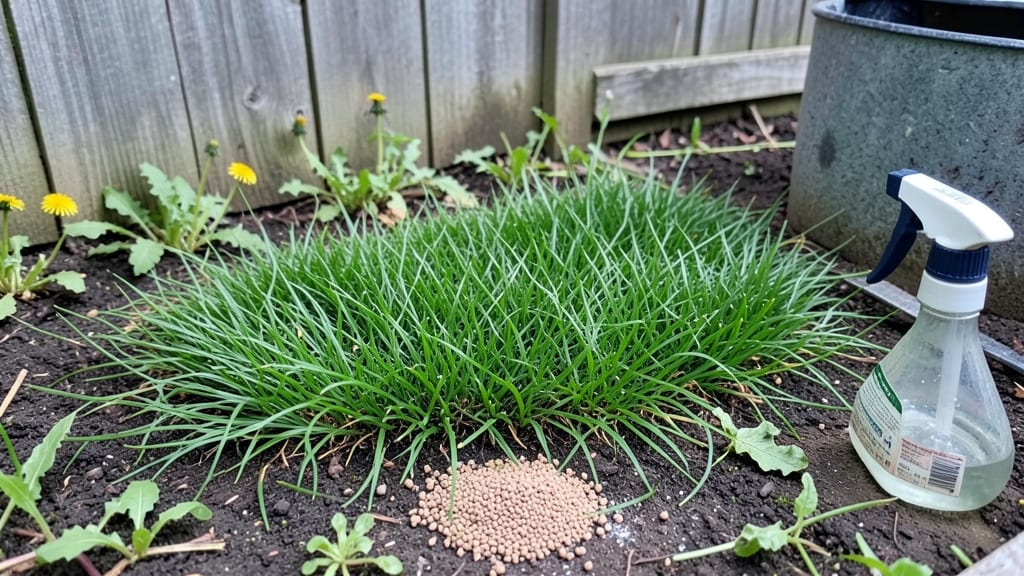
Mastering grass moss control is key to reclaiming your lawn’s lushness—especially in those shady spots where moss thrives and your turf feels like an afterthought. 🌱 I’ve battled this myself, especially in... grass just won’t compete, and I’ve learned which natural fixes actually work without harsh chemicals.
The key isn’t just killing the moss but fixing the conditions that let it thrive in the first place.
Most people reach for synthetic moss killers, but the real game-changer is improving drainage, sunlight, and soil pH. A simple lime application can shift acidic soil in just a few weeks, while aerating compacted areas lets grass roots breathe again.
I’ve seen lawns transform from mossy carpets to lush green within a season—no magic powder required. The secret is patience and the right approach.
By the end of this, you’ll have a foolproof plan to crowd out moss naturally, whether it’s through overseeding with shade-tolerant grass or adjusting watering habits. The results? A lawn that stays thick, resilient, and free of that spongy, unwanted green. Let’s get your grass back in control.
This works for both small patches and large lawns, and the methods adapt to different climates. No more guessing—just science-backed steps that actually deliver results. Ready to reclaim your yard?
Root Causes Of Unwanted Moss Growth
Moss thrives where grass struggles, turning your lawn into a patchwork of green and green-gray. Understanding why moss invades your yard is the first step to reclaiming it. Below, we break down the science behind each cause—so you can address the real issues, not just the symptoms.
###
🌧️ Poor Soil Drainage & Waterlogging
Moss loves moisture, but it’s not about occasional rain—it’s about consistent sogginess. When soil stays waterlogged for prolonged periods, oxygen levels drop, suffocating grass roots while moss spores thrive in the damp, low-oxygen environment.
- Why it happens: Compacted soil, clay-heavy dirt, or slopes that funnel water into low spots create pockets where water pools. Even well-drained soil can become saturated after heavy or frequent rainfall.
- Science behind it: Moss lacks true roots and instead uses rhizoids to absorb water directly from the air and soil surface. In waterlogged conditions, these structures grow aggressively, outcompeting grass.
- Actionable fix:
- Test your soil’s drainage with a simple percolation test: Dig a 12-inch hole, fill it with water, and time how long it takes to drain. If it takes more than 6 hours, your soil is too dense.
- Amend compacted soil with organic matter (compost, sand, or peat moss) to improve aeration and water flow.
- Consider installing French drains or swales (shallow trenches) to redirect water away from problem areas.
###
🌿 Shady, Low-Light Conditions
Moss is the opportunist of the plant world—it dominates where sunlight is scarce. While grass relies on photosynthesis to fuel growth, moss can survive with as little as 1-2 hours of direct sunlight per day by absorbing moisture and nutrients from the air.
- Why it happens: Trees, buildings, or even tall fences cast long shadows, creating microclimates where grass weakens. Shady spots also cool the soil, slowing decomposition and reducing nutrient availability for grass.
- Science behind it: Moss spores are dormant in dry conditions but germinate rapidly when humidity rises—common in shaded, damp areas. Meanwhile, most turfgrasses (like Kentucky bluegrass or fescue) require 4-6 hours of sunlight daily to thrive.
- Actionable fix:
- Select shade-tolerant grass varieties like fine fescue or creeping red fescue, which can handle 2-4 hours of sun.
- Thin out overhanging branches to increase light penetration without harming trees.
- Use reflective mulches (like white gravel) around tree bases to bounce extra light onto the lawn.
###
🧪 Acidic Soil pH Imbalances
Moss isn’t picky about soil pH—it prefers it. While most grasses thrive in slightly acidic to neutral soil (pH 6.0–7.5), moss loves acidic conditions (pH 4.5–5.5). If your soil tests low, moss will outcompete grass for resources.
- Why it happens: Over time, organic matter decomposes, releasing acids that lower pH. Heavy rainfall, pine needles, or even certain fertilizers (like ammonium sulfate) can further acidify soil.
- Science behind it: Moss has no roots to regulate pH, so it absorbs nutrients directly from acidic runoff. Meanwhile, grass roots struggle to access phosphorus and other nutrients in highly acidic soil, weakening its growth.
- Actionable fix:
- Test your soil’s pH with a home kit or lab test. Aim for a target of 6.0–7.0 for most grasses.
- Raise pH gradually with lime (calcium carbonate). Apply 10–20 lbs per 1,000 sq ft in early fall, following package instructions.
- Avoid acidifying fertilizers and mulch with wood chips or pine straw sparingly.
###
🌱 Thin or Weak Grass Competition
Moss doesn’t invade healthy lawns—it moves in when grass is already struggling. Poor mowing habits, drought, disease, or improper fertilization create gaps that moss quickly fills, forming dense mats.
- Why it happens: Weak grass has bare spots or thin patches, leaving soil exposed. Moss spores, which are everywhere (even in your shoes!), land on these bare areas and germinate within days.
- Science behind it: Moss spreads via fragmentation—even a small piece can regenerate. Meanwhile, grass seeds need direct soil contact to germinate, making it harder to "outcompete" moss once it takes hold.
- Actionable fix:
- Overseed bare patches in fall with a moss-resistant grass mix (e.g., tall fescue or perennial ryegrass).
- Adjust mowing height: Taller grass (3–4 inches) shades out moss by reducing light penetration to the soil.
- Apply pre-emergent herbicides in early spring to prevent moss spores from germinating (choose natural options like corn gluten meal).
Pro Tip: 💡 Moss is often a symptom, not the problem. Addressing drainage, light, pH, and grass health simultaneously gives you the best chance of permanently reducing moss—without harsh chemicals.
Fixing Overgrown Moss Naturally
Moss in your lawn isn’t just an eyesore—it can crowd out grass, create slippery patches, and even signal deeper soil issues. The good news? With the right approach, you can reclaim your lawn without harsh chemicals.
Below, we’ll tackle the most common causes of moss overgrowth and provide practical, eco-friendly fixes to restore a thick, healthy lawn. Plus, we’ll share prevention tips to keep moss at bay for good.
🌱 Cause: Compacted or Poor-Draining Soil
Moss thrives in dense, waterlogged soil where grass struggles to grow. If your lawn feels spongy underfoot or puddles after rain, compaction or drainage issues are likely the culprit.
🔧 How to Fix It
- 🌡️ Aerate Your Lawn Rent a core aerator (or hire a pro) to pull small soil plugs from your lawn. This relieves compaction and lets air, water, and nutrients reach grass roots.
- When to do it: Late summer or early fall (when grass is actively growing).
- Pro tip: 💡 Follow up by top-dressing with 1–2 inches of compost to improve soil structure.
- ⏰ Improve Drainage
- For flat lawns: Create gentle slopes (1–2 inches over 10 feet) to redirect water.
- For low spots: Fill with a mix of sand and compost (50/50 ratio) to raise the level.
- For clay-heavy soil: Amend with organic matter (like peat moss or coconut coir) to break up clay particles.
- 👨🍳 Overseed with the Right Grass Choose moss-resistant grass varieties like tall fescue, Kentucky bluegrass, or fine fescue. Sow seeds after aerating and keep soil moist until germination (about 2–3 weeks).
☀️ Cause: Too Much Shade
Moss loves shade because it retains moisture longer than grass. If your lawn gets less than 4–6 hours of sunlight daily, moss will outcompete grass.
🌿 How to Fix It
- 🌳 Prune Overhanging Trees/Branches Trim back branches to let more light reach the ground. Aim for at least 4–6 hours of direct sunlight per day.
- Safety tip: ✨ Use a pole saw or hire a professional for high branches.
- 🍳 Plant Sun-Loving Ground Covers In shady spots where grass won’t grow, try:
- Clover (fixes nitrogen in soil)
- Creeping thyme (drought-tolerant and fragrant)
- Sedum (succulent-like, thrives in shade)
- 🌱 Choose Shade-Tolerant Grass If you must have grass, opt for fine fescue or St. Augustine grass, which handle low light better than others.
💦 Cause: Excess Moisture or Poor Watering
Moss flourishes in damp conditions. Overwatering, poor drainage, or frequent dew can create the perfect moss paradise.
🔥 How to Fix It
- 🍳 Adjust Your Watering Routine
- Water deeply but infrequently (1–1.5 inches per week, including rain).
- Water in the early morning to reduce evaporation and fungal risks.
- Avoid watering at night (moss loves humidity!).
- 🌡️ Improve Airflow
- Trim tall grass or weeds around the lawn to encourage airflow.
- Use a lawn rake to fluff up thatch and prevent moisture buildup.
- 🔪 Remove Moss (If Needed) For stubborn patches, try:
- Cornmeal treatment: Sprinkle cornmeal (contains fungicides) on mossy areas. It starves moss by blocking sunlight.
- Iron sulfate (natural option): Follow label instructions—it kills moss without harming grass.
- Manual removal: Rake up moss after it’s dry (best in late summer/fall).
🌡️ Cause: High Soil Acidity (Low pH)
Moss prefers acidic soil (pH below 6.0), while most grasses thrive in slightly acidic to neutral soil (pH 6.0–7.0).
👨🍳 How to Fix It
- 📊 Test Your Soil’s pH Use a DIY soil test kit (available at garden centers) or send a sample to a local extension office.
- ✨ Raise pH Naturally
- Lime (calcium carbonate): Apply pelletized lime in fall (follow package rates).
- Wood ash: Sprinkle lightly (but avoid overdoing it—it can raise pH too quickly).
- Compost: Adds organic matter and buffers acidity over time.
- 🌱 Overseed After Adjusting pH Wait 2–3 months after liming before reseeding to avoid burning new grass.
💡 Prevention Tips to Keep Moss Away
Once you’ve fixed the problem, these habits will help prevent moss from returning:
- 🌿 Mow high (3–4 inches) to shade out moss and strengthen grass roots.
- 🍳 Fertilize regularly with a slow-release, nitrogen-rich fertilizer (moss hates competition!).
- 🌡️ Rake up thatch (layer of dead grass) to improve air and water flow.
- 🌱 Plant moss-resistant grass or mix in clover to crowd out moss naturally.
- 🔥 Monitor moisture—moss won’t survive in a well-aerated, properly watered lawn.
With these targeted fixes, your lawn can go from mossy and weak to lush and green in just a few months. The key is addressing the root cause (literally!) and giving your grass the right conditions to thrive. Happy gardening! 🌱💚
Frequently asked questions
Why does moss grow in my lawn even after I water and fertilize it?
Moss thrives in conditions grass struggles with—like shade, poor drainage, or acidic soil. Even with water and fertilizer, if your lawn lacks 4-6 hours of sunlight daily or has compacted soil, moss will outcompete grass. Test your soil pH and check drainage first—those are the real culprits.
Is it safe to use vinegar to kill moss in my lawn?
While vinegar kills moss, it’s too harsh for grass and can damage nearby plants. For spot treatment, use iron sulfate or cornmeal instead—they target moss without harming your lawn. Always test a small area first!
How long does it take to see results after treating moss?
With natural methods like lime application or aeration, you’ll see improvement in 4-6 weeks. Chemical treatments (like iron sulfate) work faster—often within 2-3 days—but may require retreatment. Patience is key for long-term results!
Can I just rake up moss and expect it to stay away?
Raking helps, but moss will return if the underlying conditions (like shade or poor drainage) aren’t fixed. After removal, overseed with grass and improve soil health to prevent regrowth. Think of it like pulling weeds—address the root cause!
What’s the best time of year to tackle moss in my lawn?
Fall is ideal—cool temps and moisture help grass recover while moss is still active. Avoid treating in summer heat or winter dormancy. Early spring works too, but fall gives grass more time to establish before winter.