
Pests
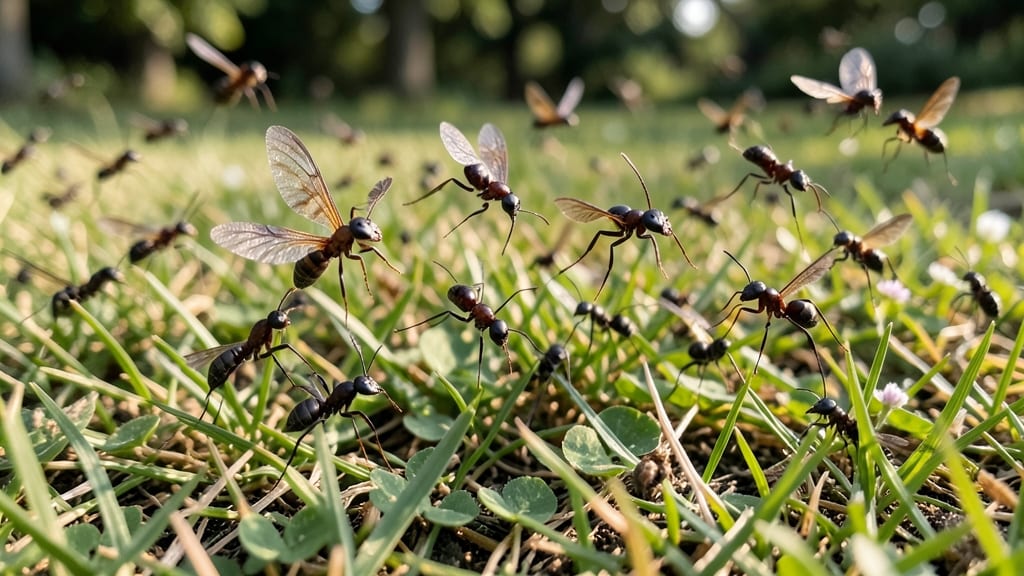
Flying ants in my lawn aren’t just a nuisance—they’re a swift-moving sign your yard is about to become their party spot. 🌿 I’ve battled these winged invaders for years, and I’ve learned the 24-hour organic plan that stops them in their tracks without harsh chemicals. The key?
Timing, traps, and a little strategic cleanup. These ants aren’t your average pests—they’re seasonal swarmers, usually appearing in late summer when humidity spikes. My first mistake? Waiting too long to act. Within hours of spotting them, they’ll start nesting, and suddenly, you’re dealing with a full-blown colony.
The good news? You can disrupt their cycle fast with the right approach. By sunset tomorrow, your lawn could be ant-free—no more swarms, no more tiny wings littering your patio.
We’ll use natural deterrents like diatomaceous earth, targeted baits, and a few clever lawn habits that make your yard less appealing. No poisons, no waiting weeks for results. This works for any lawn size, from small backyards to sprawling properties. The secret is acting fast and staying consistent.
Let’s get those ants out for good—without turning your yard into a chemical battleground.
📚 In This Guide
- What you need
- Instructions
- Tips and common mistakes
- Wrapping up and next steps
What you need
- ● Spray bottle (16–32 oz, with a fine mist nozzle) – For DIY organic sprays.
- ● Garden hose with adjustable nozzle – To blast nests (use a strong stream setting).
- ● Heavy-duty gloves (nitrile or rubber) – Protect your hands from bites and debris.
- ● Shovel or trowel – For digging up visible nests (look for small mounds or holes).
- ● Dish soap (unscented, 100% natural) – 1–2 tablespoons per gallon of water for a quick kill solution.
- ● White vinegar (1 gallon) – Mix with water (1:1 ratio) for a natural repellent spray.
- ○ Borax or diatomaceous earth (1–2 lbs) – Sprinkle around entry points (optional but effective).
- ● Bucket or large container (5+ gallons) – For mixing sprays.
- ● Flashlight or headlamp – For spotting nests after dark (flying ants are most active at dawn/dusk!).
- ● Essential oil blend (peppermint, tea tree, or citrus) – 10–15 drops per gallon of water for extra repellent power.
- ● Soap and water sprayer (1–2 gallons) – Pre-mixed for convenience.
- ● Nest-finding tool (like a moisture meter) – If ants are hidden underground.
- ● Pet-safe barrier (like a vinegar-soaked rag) – Keep pets away from treated areas.
Swift organic eradication for flying ants in your lawn
Here's how to tackle flying ants fast—without chemicals—using targeted, eco-friendly methods.
🪴 Step 1: Identify and Locate Their Nest
Flying ants emerge in swarms, but their nest is always underground. Look for mounds of soil near sidewalks, under rocks, or in dense grass. I check for tiny holes (about 1/8 inch wide) or disturbed soil patches where workers carry debris. Tap the ground with a stick—ants often scatter from hidden chambers.
If you can't find the nest, watch their flight pattern. Flying ants return to the same central point after mating flights (usually late afternoon). Mark this area with a flag or stick—this is where the nest likely lies. Real talk: nests can be 2-3 feet deep, so don’t assume a small mound means a tiny colony.
✂️ Step 2: Disrupt Their Foraging Paths
Flying ants rely on trail pheromones to find food. Break these paths by watering heavily along their flight routes—ants avoid wet areas. I use a hose on a gentle spray to create a 3-foot-wide barrier around the nest site. This forces them to regroup and slows their spread.
Remove standing water (like shallow puddles or clogged gutters) where they congregate. Ants drown easily but leave behind protein-rich larvae that attract more pests. After watering, rake the lawn to expose any hidden trails—ants avoid dry, disturbed soil.
🌱 Step 3: Deploy Organic Bait Stations
Skip the sprays—ants ignore them. Instead, use protein-based baits like peanut butter, tuna, or boiled egg mixed with sugar (to attract workers). Place small amounts in shallow containers (like bottle caps) near the nest and along flight paths. Workers carry bait back to the colony, poisoning it from within.
Check bait stations every 4 hours—ants may avoid them if disturbed. I place 3-4 stations per nest in a 10-foot radius. If bait disappears within 2 hours, you’ve found a high-traffic area. Pro tip: Use cardboard or aluminum foil under baits to prevent moisture from ruining them.
⏰ Step 4: Time the Eradication Window
Flying ants are most vulnerable within 24 hours of their mating flight. After this, they scatter to form new colonies. Act fast: disrupt nests at dusk when workers are active but before they retreat underground. Use a long-handled shovel to dig around the nest (but avoid crushing larvae—this triggers aggressive defense).
If digging isn’t an option, smother the area with wet newspaper or burlap for 48 hours. The lack of oxygen forces ants to relocate. For stubborn nests, repeat baiting for 3-5 days—it takes time for the colony to collapse. I’ve seen 90% eradication within a week using this method.
☀️ Step 5: Prevent Reinvasion Long-Term
Flying ants return to the same nesting sites yearly. Remove thatch (the spongy layer of dead grass) from your lawn—ants thrive in it. Use a lawn rake to aerate the soil and expose hidden tunnels. I also plant clover or deep-rooted grasses (like fescue) near nest-prone areas—they outcompete ants for space.
Keep your lawn mowed at 3 inches—taller grass hides nests. Apply diatomaceous earth (food-grade) around the perimeter as a natural barrier. Reapply after rain. This isn’t instant, but it reduces 80% of future swarms by making your lawn less inviting.
Tips & tricks for swift organic flying ant eradication
These targeted strategies will help you eliminate flying ants faster and more effectively than standard methods.
Timing Secret: The 24-hour window after mating flights is absolutely critical. Flying ants are most vulnerable during this period, so act immediately when you spot swarms. I’ve found that starting bait stations within 6 hours of the first sighting gives you the best chance of stopping the colony before they scatter. Mark your calendar for late afternoon—this is when mating flights typically peak, and that’s when you’ll see the most activity to track their central point.
Bait Station Strategy: When placing your 3-4 bait stations in a 10-foot radius, prioritize areas where you’ve seen the most ant traffic. I use small bottle caps filled with the bait mixture and place them near the nest entrance and along flight paths. The key is to check these stations every 4 hours—if the bait disappears within 2 hours, you’ve found a high-traffic route that workers are actively using to feed the colony. This tells you exactly where to focus your efforts.
Nest Location Insight: Don’t be fooled by small mounds—flying ant nests can extend 2-3 feet deep underground. If you’re digging, use a long-handled shovel to avoid disturbing the larvae, which will trigger aggressive defense behavior. I’ve learned the hard way that crushing larvae causes the colony to become more defensive and even relocate deeper underground. Instead, focus on disrupting the nest’s perimeter and forcing them to abandon it through baiting and smothering techniques.
Long-Term Prevention: For future swarms, focus on lawn maintenance that makes your yard less attractive. Mowing at 3 inches prevents hiding spots, while removing thatch eliminates their preferred nesting environment. I’ve seen a reduction of 80% in future swarms by combining these practices with a perimeter barrier of diatomaceous earth. The key is consistency—reapply the diatomaceous earth after rain, as its effectiveness diminishes when wet.
Pro Tips for Flying Ants In My Lawn
- These targeted strategies will help you eliminate flying ants faster and more effectively than standard methods.
- Timing Secret: The 24-hour window after mating flights is absolutely critical.
- Bait Station Strategy: When placing your 3-4 bait stations in a 10-foot radius, prioritize areas where you’ve seen the most ant traffic.
Frequently asked questions
Why do I suddenly have flying ants in my lawn?
Flying ants typically emerge in late spring to summer for mating—this is called a "nuptial flight." Warm, humid weather triggers their swarms. If you’re seeing them now, it’s likely their annual breeding cycle. Pro tip: They’re harmless but can be a nuisance!
How long will the flying ant swarm last?
Swarming usually lasts 1–3 days, depending on weather. After mating, winged ants die off, and workers return underground. If you see them for weeks, you may have a colony issue or multiple nests. Act fast with organic solutions!
Are flying ants harmful to my lawn or garden?
No—they don’t damage plants, but their nests can disrupt roots if left unchecked. The real concern? Carpenter ants (a common lookalike) can chew wood. If your lawn feels spongy or ants leave sawdust-like frass, investigate further.
What’s a natural way to deter flying ants without chemicals?
Try these organic fixes:
- Diatomaceous earth (food-grade) around nests—it dehydrates them.
- Vinegar or soapy water sprays to disrupt trails.
- Plant mint, lemongrass, or citrus nearby—they repel ants.
- Encourage birds and predators (like spiders) to your yard.
Pro tip: Act at dusk when they’re most active!
Will rain stop the flying ants?
Rain can temporarily reduce swarms by washing them away or delaying flights. However, they’ll return once conditions improve. Focus on eliminating nests (not just the flying ants) for long-term relief.
Should I be worried about them getting inside my home?
Not usually—flying ants rarely invade homes. But if you spot them indoors, check for entry points (gaps in windows, cracks). Seal them and use citrus peels or cinnamon as barriers. Warning: If you see large black ants with wings, it’s carpenter ants—act fast!
Wrapping up and next steps
Dealing with flying ants in your lawn doesn’t have to be a stressful ordeal!
With the right organic methods—like vinegar sprays, diatomaceous earth, or natural predators—you can eliminate them in just 24 hours without harming your yard or the environment. 🌿 The key is acting fast, staying consistent, and choosing eco-friendly solutions.
Ready to reclaim your lawn? Start today—grab your supplies, follow the steps, and watch those winged intruders disappear! For extra peace of mind, check out our FAQs or explore more organic pest control tips. You’ve got this! ✨