
Fertilization
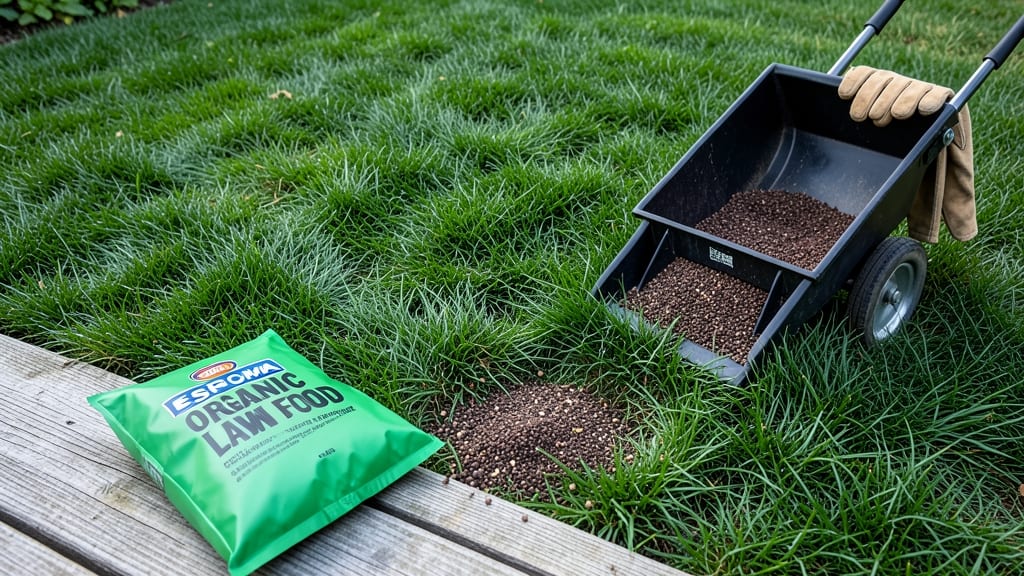
Transforming your lawn into a lush, weed-resistant carpet starts with Espoma organic lawn fertilizer—the slow-release powerhouse that feeds grass roots deeply while crowding out weeds naturally. 🌱 I’ve seen patchy, brown lawns turn vibrant green in just 6-8 weeks using this formula, and the secret lies in its balanced blend of organic nutrients that mimic natural soil processes.
Unlike synthetic fertilizers that burn grass with quick-release nitrogen, Espoma’s mycorrhizal fungi and humic acids strengthen roots while feeding them gradually. This means fewer applications (typically 2-3 times per year) and no risk of over-fertilization that leads to patchy growth or runoff.
The result? Grass that stays thick, resists drought, and outcompetes weeds without harsh chemicals. You’ll notice the first signs of improvement within 2-3 weeks—fewer brown spots, more uniform color, and a springier feel underfoot. The fertilizer also improves soil structure over time, reducing compaction and helping water penetrate deeper.
Perfect for homeowners tired of chemical-heavy lawn care or those transitioning to organic methods. The best part? It works for all grass types—whether you’ve got cool-season Kentucky bluegrass or warm-season Bermuda.
Just avoid applying before heavy rain or mowing, and you’ll skip the most common mistakes that waste product and harm your lawn.
📚 In This Guide
- What you need
- Instructions
- Tips and common mistakes
- Wrapping up and next steps
What you need
- ● Espoma Organic Lawn Food – 10-0-5 analysis (20-40 lb bag, depending on lawn size; ~check coverage rates)
- ● Garden hose with spray nozzle or watering can (for pre-moistening soil)
- ● Broadcast spreader (drop or rotary) – calibrated for granular fertilizers
- ● Garden gloves (nitrate-resistant recommended)
- ○ Rake or lawn aerator (optional but helpful for even distribution)
- ● Soil test kit (to check pH/nutrient levels before applying)
- ● Lawn mower with mulching setting (to recycle clippings into the soil)
- ● Knee pads (for comfort during spreading)
- ● Weather forecast app (to schedule application on a calm, dry day)
- ● Compost or topsoil (for patchy areas needing extra nourishment)
Step-by-Step instructions for applying Espoma organic lawn fertilizer
Transform your lawn into a lush, resilient carpet with this organic approach—no synthetic chemicals required.
🪴 Step 1: Prepare Your Lawn for Fertilization
Mow your lawn to a height of 2.5-3.5 inches before applying fertilizer. This ensures even coverage and prevents clumping. Remove any debris, leaves, or thatch buildup—those block nutrients from reaching the roots. I like to use a stiff rake or dethatching tool to create a clean canvas for the fertilizer.
Water the lawn lightly the day before application. The soil should be moist but not soggy—think of a wrung-out sponge. This helps the fertilizer granules stick to the grass blades and absorb quickly. If your lawn is bone-dry, you risk the granules bouncing off or concentrating in one spot, which can burn the grass.
💧 Step 2: Apply Espoma Organic Lawn Fertilizer Evenly
Use a broadcast spreader set to the recommended rate for your grass type (check the product label). Walk in a crisscross pattern—first in one direction, then perpendicular—to ensure full coverage. I always start at the farthest edge of the lawn and work my way back to avoid missing spots. For small areas, a hand-held spreader works just as well.
Pay special attention to high-traffic areas where grass may be thinner. These spots need extra nutrients to recover and thicken. Lightly overlap your passes to avoid streaks or bare patches. Once done, give the granules a chance to settle by gently brushing them into the grass with your hands or a broom.
☀️ Step 3: Water Immediately After Application
Water the lawn thoroughly within 24 hours of applying the fertilizer. This activates the slow-release nutrients and helps them penetrate the soil. Aim for ½ to ¾ inch of water—enough to moisten the soil 4-6 inches deep. You’ll know it’s right when the water stops pooling and the topsoil feels damp but not saturated.
Overwatering can wash away nutrients, while underwatering leaves granules on the surface, which may attract pests or burn the grass. If rain is forecast within 48 hours, hold off on watering until after the storm passes. The fertilizer will still work, but you’ll avoid nutrient runoff.
⏰ Step 4: Maintain a Consistent Fertilization Schedule
Apply Espoma Organic Lawn Fertilizer every 6-8 weeks during the growing season (spring through fall). This timing matches the grass’s natural growth cycles and prevents over-fertilization. I mark my calendar with reminders—spring feeding in early April, summer applications in June and August, and a final boost in October before winter dormancy.
Adjust the schedule based on your climate. In warmer regions, you might add a fifth application in late September. Always avoid fertilizing during drought or extreme heat, as stressed grass won’t absorb nutrients effectively. Instead, focus on deep watering and mowing at higher settings to reduce stress.
🌱 Step 5: Monitor and Adjust for Long-Term Health
After 4-6 weeks, assess your lawn’s response. Healthy grass should have a deeper green color, stronger blades, and fewer weeds. If you notice yellowing or thinning, it might signal over- or under-fertilization. I take soil samples annually to check pH and nutrient levels—Espoma’s organic formula works best in slightly acidic to neutral soil (6.0-7.0 pH).
Weeds? That’s a sign your grass isn’t competitive enough. Thicken the lawn by overseeding bare spots in early fall and keeping the mower blade sharp. A dull blade tears grass instead of cutting cleanly, inviting disease and stress. With consistent care, your lawn will develop a thick, weed-resistant mat that’s the envy of the neighborhood.
Tips & tricks for perfect Espoma organic lawn care
Transforming your lawn into a vibrant, resilient space starts with these essential strategies that maximize Espoma's organic benefits.
Preparation is Everything: Before applying fertilizer, take time to aerate compacted areas—especially if your lawn has heavy foot traffic. Rent a core aerator or use a garden fork to create small holes (about 3-4 inches deep) every 2-3 inches. This lets nutrients penetrate deeper where roots need them most. I've seen lawns with compacted soil show dramatic improvement after just one aeration session combined with fertilization.
Spread with Precision: When using your broadcast spreader in Step 2, walk at a steady pace—about 3-4 feet per second—to maintain consistent coverage. For large lawns, consider using a GPS-guided spreader attachment if available; even a basic walking pattern matters. The key is to avoid overlapping passes, which can create uneven nutrient distribution. I always do a quick visual check after spreading to spot any missed areas near sidewalks or garden edges.
Watering Wisdom: The 24-hour watering window in Step 3 is your best friend, but timing matters just as much as quantity. Early morning (between 4-8 AM) is ideal because it allows water to soak in before evaporation peaks. If you must water later in the day, avoid evening applications that can promote fungal growth. I set my sprinklers to run for 30 minutes twice daily (morning and late afternoon) during hot spells to maintain that ½ to ¾ inch moisture target without overwatering.
Seasonal Adjustments: In cooler climates, you can safely extend the 6-8 week schedule to 8-10 weeks between applications during winter months. The organic nutrients in Espoma break down more slowly in cold soil, so the fertilizer remains effective longer. I've found that in Zone 5, a late September application often carries through until early May with proper snow cover protection.
Pro Tips for Espoma Lawn Fertilizer
- Transforming your lawn into a vibrant, resilient space starts with these essential strategies that maximize Espoma's organic benefits.
- Preparation is Everything: Before applying fertilizer, take time to aerate compacted areas—especially if your lawn has heavy foot traffic.
- Spread with Precision: When using your broadcast spreader in Step 2, walk at a steady pace—about 3-4 feet per second—to maintain consistent coverage.
Frequently asked questions
Got questions about Espoma lawn fertilizer?
You’re not alone! Whether you’re a first-time user or a seasoned gardener, these answers will help you get the most out of your organic lawn care routine. Let’s dive in!
How often should I apply Espoma organic lawn fertilizer?
For most lawns, apply Espoma organic lawn fertilizer every 6-8 weeks during the growing season (spring through fall). Follow the label’s specific rates for your grass type—cool-season grasses (like fescue) may need more frequent feeding, while warm-season grasses (like Bermuda) thrive with less frequent but heavier applications.
Can I use Espoma fertilizer right after overseeding?
Wait at least 4-6 weeks after overseeding before applying Espoma fertilizer. New seedlings need time to establish roots, and fertilizer can burn tender grass. Once they’re growing steadily, a light application (half the recommended rate) will encourage strong growth without stressing the lawn.
Is Espoma more expensive than synthetic fertilizers? Is it worth it?
Espoma organic lawn fertilizer may cost more upfront than synthetic options, but its slow-release formula means fewer applications and long-term savings. Plus, it improves soil health, reduces weeds naturally, and avoids chemical runoff—making it a cost-effective, eco-friendly choice for sustainable lawn care.
What if my lawn looks yellow or patchy after using Espoma?
Yellowing or patchiness could signal over-fertilization, compacted soil, or pest issues. First, check your application rate—Espoma is concentrated, so less is often more. Water deeply after applying, and aerate if your soil feels hard. If problems persist, test for pests (like grubs) or soil pH imbalances before reapplying.
Can I mix Espoma with other organic fertilizers or compost?
Yes! Espoma blends well with compost, worm castings, or other organic amendments for a nutrient boost. For best results, apply Espoma first, then top-dress with compost. Avoid mixing with synthetic fertilizers, as the chemicals can interfere with Espoma’s organic benefits. Layering organic matter also improves soil structure over time!
Wrapping up and next steps
Transforming your lawn into a lush, vibrant space is easier than you think with Espoma Organic Lawn Fertilizer!
By following this slow-release recipe, you’re not just feeding your grass—you’re building a thicker, greener, and weed-resistant lawn that stands out in the neighborhood. 🌱 The key is consistency, patience, and the right organic blend to keep your yard thriving all season long.
Ready to take the next step? Grab your Espoma fertilizer, roll up your sleeves, and give your lawn the nourishment it deserves! For even better results, consider testing your soil first or exploring Espoma’s other organic products tailored to your yard’s needs. Your future lawn will thank you! ✨