
Lawn
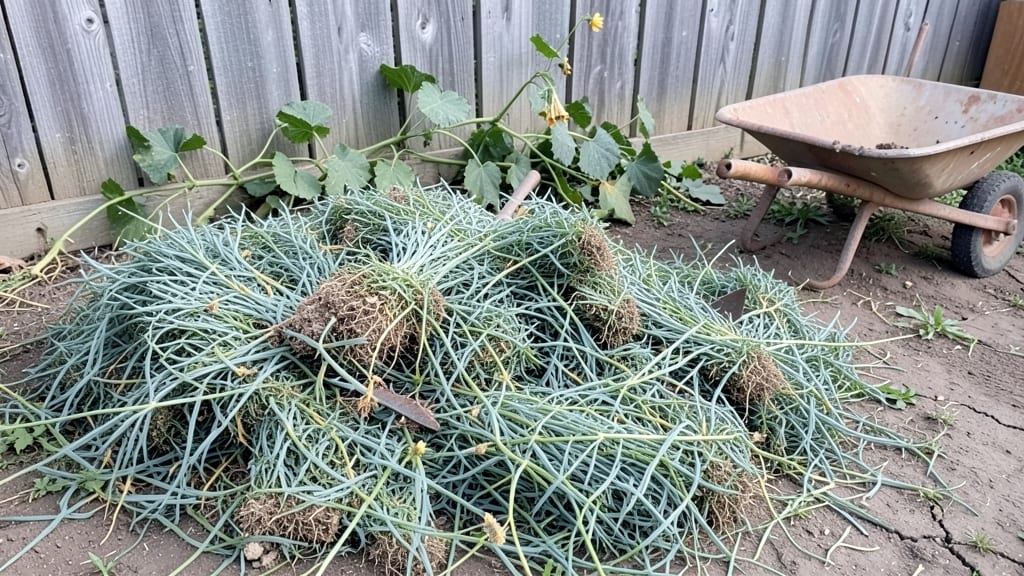
Disposing of sod thoughtfully doesn’t have to mean sending it straight to the landfill—there are smarter ways to handle it that benefit your garden and the planet.
I’ve ripped up lawns for years, and the best approach depends on whether you want to compost it, reuse it, or dispose of it responsibly. The key is working with the sod, not against it, to turn what feels like waste into something useful.
You’ll need basic tools like a shovel, wheelbarrow, and possibly a sod cutter if the lawn is thick. For composting, tear the sod into smaller pieces first—this speeds up decomposition and prevents it from becoming a mat that blocks airflow.
If you’re reusing it, consider cutting it into strips for mulch or erosion control along garden beds. Either way, the process takes less than an hour for a small lawn.
What you end up with is healthier soil or a resource that protects your garden. Composted sod adds nitrogen-rich organic matter, while reused strips suppress weeds and retain moisture.
The best part? You’re keeping usable material out of landfills while giving your garden a boost. Here’s how to do it right without the hassle.
This method works for any yard size, from a single patch to a full backyard. Whether you’re prepping for a new vegetable bed or just tired of mowing, repurposing sod is a game-changer for both your garden and the environment. Let’s get started with the steps that make it simple.
📚 In This Guide
- What you need
- Instructions
- Tips and common mistakes
- Wrapping up and next steps
What you need
- ● Heavy-duty gloves (2 pairs) – Protect your hands from sharp grass edges and potential debris.
- ● Shovel or sod cutter – A flat-edged shovel (1–2 ft wide) or a sod cutter for clean removal.
- ● Wheelbarrow or tarp – A 5–7 cubic ft wheelbarrow or a 6x8 ft tarp to haul sod in chunks.
- ● Pruning shears or scissors – For trimming stubborn roots or thick patches.
- ○ Rake (optional but helpful) – A bow rake to level the soil after removal.
- ● Compost bin or bags – If repurposing sod as mulch or compost.
- ● Biodegradable plastic sheeting – For covering sod piles to speed up decomposition.
- ● Hose or spray nozzle – To dampen sod for easier handling or transport.
- ● Local recycling/landfill contacts – Check if your area offers green waste disposal days.
How to dispose of sod sustainably
Here's the straightforward approach I use to handle sod removal without wasting resources.
Remove the Sod in Large Sections
Use a sharp spade or sod cutter to slice the lawn into 12-18 inch wide strips. This makes it easier to roll up without tearing. Start at one edge and work your way across, cutting just below the grass roots. The goal is to lift entire sections intact—this preserves the sod's structure for repurposing.
If the sod is thick or compacted, a flat shovel works better than a spade. Work in 2-foot sections to avoid straining your back. I always remove sod in the morning when the grass is still damp—it rolls up cleaner and stays together better.
Roll and Store for Immediate Use
Roll each section tightly, grass-side out, and stack them in a dry, shaded area. If you're using the sod right away for pathways or erosion control, keep it in place until needed. The grass stays viable for 2-3 weeks if stored properly—just protect it from direct sun and heavy rain.
For larger quantities, use a wheelbarrow to transport sod to storage. If storing long-term, cover the stacks with a tarp to prevent drying. I've found that sod stored this way holds its integrity for up to 4 weeks before becoming brittle.
Repurpose or Recycle Responsibly
For pathways or ground cover, lay sod sections directly on prepared soil, grass-side down. Press firmly into place and water immediately to encourage rooting. This works well for garden beds, slopes, or areas needing quick stabilization.
If repurposing isn't an option, check local composting guidelines. Many municipalities accept sod in curbside composting programs, where it breaks down into nutrient-rich soil. If composting isn't available, use it as mulch around trees and shrubs—just chop it into 2-3 inch pieces first to speed decomposition.
Dispose of Remaining Sod Properly
If you can't reuse or compost the sod, contact your local waste management for landfill disposal options. Some facilities charge fees for organic waste, so call ahead. Never leave sod piled in public areas—it can become a breeding ground for pests and weeds.
For large projects, consider renting a wood chipper to turn sod into mulch on-site. This is the most sustainable option if you have the equipment. I've seen sod chips used effectively as a weed barrier in vegetable gardens—just apply a 2-3 inch layer and water well.
Tips & tricks for perfect sod removal
Sod removal doesn't have to be a waste—here's how to make the process efficient and eco-friendly while keeping your yard work manageable.
Timing is Everything: The morning after a light rain is ideal for removing sod. The damp grass rolls up cleaner and stays intact better than dry sod, which can crumble and tear. I've found that working in the cooler morning hours also makes the physical labor more comfortable, especially when dealing with large sections. If you must work in dry conditions, water the lawn lightly the night before to mimic these ideal conditions.
Tool Selection Matters: A sharp sod cutter is your best friend for clean cuts, but don't overlook a sturdy flat shovel for thick or compacted sod. I've learned that renting a sod cutter for large projects saves time and effort—it makes slicing through the roots much easier than using hand tools alone. For smaller areas, a sharp spade works well if kept properly maintained. Always check your tools before starting to avoid frustrating mid-project failures.
Storage Solutions: When storing sod for later use, keep it grass-side up in a cool, shaded area. This prevents the grass from drying out too quickly and maintains its viability. I've had success using pallets or wooden boards to elevate the sod off the ground, which improves airflow and prevents moisture buildup. For longer storage beyond the 4-week mark, consider wrapping individual sections in damp burlap or newspaper to help preserve moisture.
Repurposing Creatively: Beyond the obvious uses like pathways and mulch, sod makes excellent erosion control for slopes and garden beds. I've used it to create instant ground cover in problem areas where weeds were taking over. Another clever use is as a temporary weed barrier—lay sod pieces grass-side down over bare soil to block sunlight and prevent weed seeds from germinating. Just remember to water regularly to keep the grass alive during this process.
Pro Tips for Disposing Of Sod
- Sod removal doesn't have to be a waste—here's how to make the process efficient and eco-friendly while keeping your yard work manageable.
- Timing is Everything: The morning after a light rain is ideal for removing sod.
- Tool Selection Matters: A sharp sod cutter is your best friend for clean cuts, but don't overlook a sturdy flat shovel for thick or compacted sod.
Frequently asked questions
Got questions about disposing of sod? You’re not alone—many homeowners and landscapers wonder how to handle leftover grass rolls responsibly. Below, we’ve rounded up the most common queries to help you tackle this task with confidence and care for the planet.
Can I just leave sod in my yard after removal?
Nope! Leaving sod in piles can attract pests, create unsightly messes, and even harm your lawn’s health. Exposed sod roots decompose slowly, and the thatch layer can smother nearby plants. Always remove or repurpose it within 24–48 hours to avoid issues.
What’s the best time of year to dispose of sod?
The ideal time depends on your climate and local regulations, but spring and fall are usually the easiest. Warmer weather speeds up decomposition if composting, while cooler months reduce odor and pests. Avoid peak summer heat—it dries sod out quickly, making it harder to recycle.
How do I find a local sod disposal service?
Start by checking with your city’s waste management or recycling center—they often have guidelines or partnerships for green waste. Landfill operators or local landscaping companies may also accept sod for a fee. Call ahead to confirm pickup schedules and fees, as some charge by weight or volume.
Are there creative ways to reuse sod instead of throwing it away?
Sod makes great mulch for garden beds (just lay it flat and let it decompose), erosion control for slopes, or even a temporary ground cover for bare spots. You can also chop it into small pieces for compost—just mix it with brown materials like leaves or straw to balance nitrogen levels.
What should I do if my sod smells bad after removal?
A strong odor usually means the sod is decomposing too quickly. Spread it out in thin layers to improve airflow, or mix it with dry leaves or wood chips to absorb moisture. If composting, turn the pile regularly to speed up the process and reduce funk. Avoid adding it to a closed bin—it needs oxygen to break down properly!
Wrapping up and next steps
Disposing of sod doesn’t have to be a hassle—it can be a chance to give back to your yard, community, or even the planet! 🌱 Whether you’re turning it into nutrient-rich compost, repurposing it for erosion control, or donating it for local projects, every step counts toward sustainability. Take that first step today: pick a method that fits your needs and turn your sod into something useful.
🚀 Ready to Get Started?
- Pick a method from this guide that excites you.
- Gather your tools and get to work—your eco-friendly project awaits!
- Share your success (and tips!) with fellow gardeners.