
Lawn
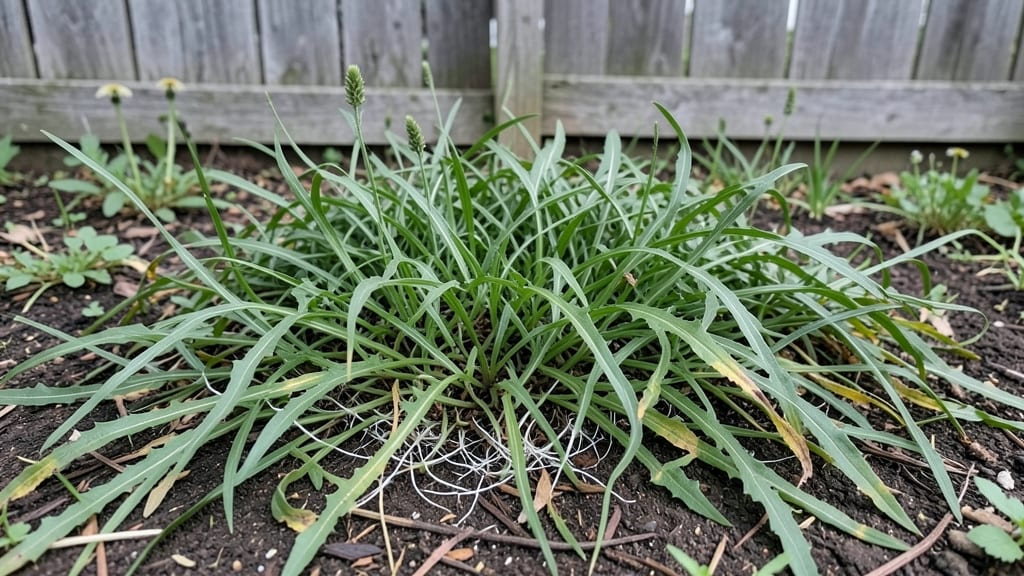
When people ask about couch grass meaning, they're referring to a tough, spreading weed (Elymus repens or quackgrass) that mimics lawn grass but invades aggressively through underground stems called rhizomes.
This persistent weed thrives in lawns because its sprawling root system can regenerate from tiny fragments, making it harder to eliminate than most grasses. 🌱 Unlike desirable turf, couch grass spreads horizontally through these rhizomes, creating dense patches that choke out other plants.
Its blade-like leaves and rapid growth make it look like regular grass at first glance, which is why many homeowners mistake it for Kentucky bluegrass or fescue.
Once established, couch grass can dominate an entire lawn within a season if left unchecked. Its resilience comes from both its extensive root network and prolific seed production—each plant can generate hundreds of seeds that lie dormant for years before sprouting.
This dual strategy makes it particularly challenging to control without consistent, targeted management.
💡 In This Article
- Botanical Profile of Couch Grass: How It Spreads
- Managing Couch Grass: Removal and Prevention Tips
Botanical profile of couch grass: how it spreads
The secret weapon of couch grass lies in its rhizome system—horizontal underground stems that can grow up to 3 feet long and 1-2 feet deep in ideal conditions.
Unlike Kentucky bluegrass, which spreads primarily through surface runners (stolons), couch grass sends out thick, fleshy rhizomes that store carbohydrates for rapid regrowth.
These rhizomes contain multiple buds, each capable of sprouting new shoots when separated, which explains why even small fragments left in the soil can regenerate an entire plant. 🌱
Here's how its lifecycle accelerates invasion: couch grass produces 30-50 seeds per plant annually, but these seeds aren't its main spreader—the rhizomes are. The plant's roots can regenerate from pieces as small as 1 inch long, and each rhizome node can become a new plant.
In lawns, this creates a network where every square foot contains multiple potential regrowth points. The plant's deep root system also allows it to outcompete desirable grasses by accessing water and nutrients from lower soil layers, especially during drought.
What makes it thrive in disturbed soil is its adaptive growth response. When mowed or damaged, couch grass allocates more energy to rhizome production, creating denser underground networks.
This explains why it often appears after construction, soil compaction, or heavy foot traffic—it senses the disturbance and ramps up its spread. Unlike shallow-rooted weeds, its 12-18 inch deep rhizomes make it resistant to surface treatments that might kill smaller plants. 🌿
The comparison to Kentucky bluegrass reveals key differences: while bluegrass spreads through stolons (above-ground runners) that die back in winter, couch grass's rhizomes remain active year-round in temperate climates. Bluegrass also has a fibrous root system without storage organs, meaning it can't regenerate from fragments like couch grass.
This biological advantage allows couch grass to dominate lawns where bluegrass would normally establish—once it gets a foothold, it's nearly impossible to eradicate without persistent intervention.
Seasonal growth patterns further explain its persistence: rhizomes store energy during winter, allowing new shoots to emerge as early as late winter when soil temperatures reach 40°F. By summer, each plant can produce 10-20 new shoots from its rhizome network, creating dense patches that smother other vegetation.
The plant's ability to photosynthesize through its rhizomes (a trait called "clonal integration") means it can even survive when above-ground growth is damaged, making it one of nature's most resilient weeds. ⚡
Understanding these mechanisms reveals why traditional lawn care often fails: most herbicides target above-ground growth, leaving the rhizomes intact to regenerate.
The plant's dual strategy of both seed production and rhizome spread means it can invade through multiple pathways—seeds carried by wind or animals, and rhizomes spreading through soil contact or mower blades. This biological versatility is what makes couch grass such a formidable lawn invader. 💫