
Lawn
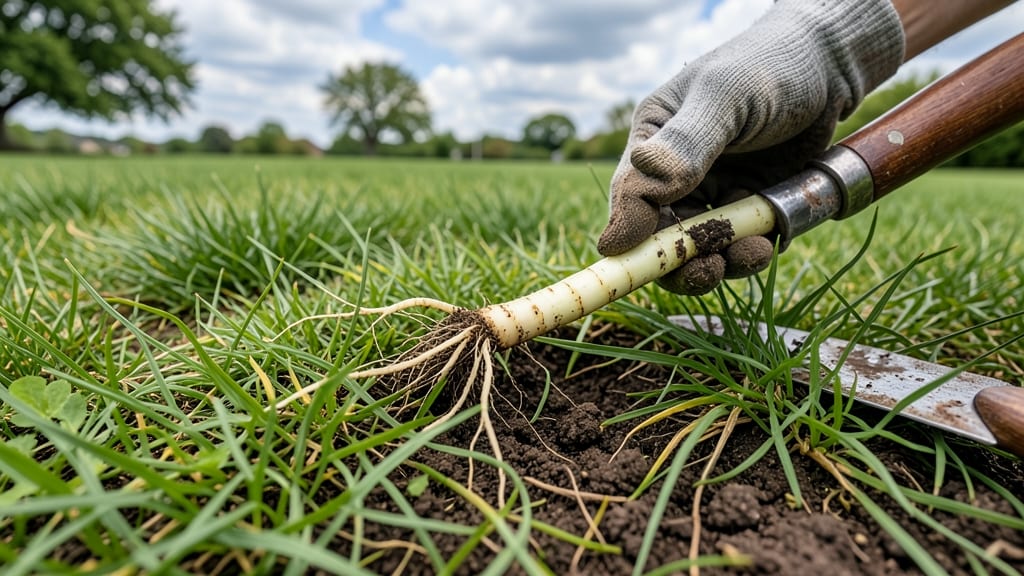
Thatch-free grass starts with tackling couch grass before it smothers your lawn. 🌱 I’ve spent years wrestling with this stubborn invader, and the key isn’t brute force—it’s precision. Couch grass spreads like wildfire, choking out your grass and leaving behind a tangled mess that mowers can’t touch.
The good news? With the right approach, you can reclaim your lawn without resorting to harsh chemicals or endless replanting.
First, you’ll need a few tools: a sharp garden fork, a pair of sturdy gloves, and—most importantly—a clear, sunny day. The secret weapon? Pulling couch grass before it goes to seed, which means acting fast in early spring or late summer.
This isn’t a one-time job; it’s a battle of patience and persistence. But trust me, every square inch you clear now means fewer weeds fighting for space later.
What you’re aiming for is a lawn that looks thick, green, and actually grass-dominated—not a patchwork of weeds hiding beneath the surface. After removal, overseed bare spots with a tough grass like tall fescue or perennial ryegrass, and keep the soil moist for the first few weeks.
The payoff? A lawn that stays lush, even when couch grass tries to stage a comeback.
This method works best in cool-season climates, but the principles apply anywhere couch grass takes hold. The trick is consistency: check for regrowth every few weeks, and don’t let those runners spread unchecked. With time, your lawn will thank you—and your neighbors will wonder what you’re doing differently.
📚 In This Guide
- What you need
- Instructions
- Tips and common mistakes
- Wrapping up and next steps
What you need
- ● Garden Gloves – Heavy-duty, chemical-resistant (e.g., Nitril-coated), 2 pairs (one for pulling, one for cleanup).
- ● Hand Trowel or Dandelion Weeder – Sturdy, 6–8-inch blade for deep extraction (e.g., Fiskars or Spear & Jackson).
- ● Garden Fork or Lawn Rake – 4–6 tines, 12–18-inch handle for loosening soil and uprooting thick patches.
- ● Post-Emergence Herbicide – Selective for couch grass (e.g., Glyphosate-free options like 2,4-D or Dicamba; check label rates for lawn-safe application). 1 gallon (or as directed).
- ● Sprayer (Hose-End or Backpack) – 1–2 gallon capacity, adjustable nozzle for fine mist (e.g., Chapin or Solo).
- ○ Plastic Sheeting or Tarps – 6–10 mil thickness, enough to cover treated areas (optional for smothering regrowth).
- ● Lawn Mower (Sharp Blades!) – Set to highest setting (3–4 inches) to avoid spreading rhizomes.
- ● Soil Solarizer – Clear plastic tunnels to bake out couch grass roots under sunlight (great for large patches).
- ● Vinegar Solution – 20% acetic acid (e.g., sports-grade vinegar) mixed with 1 tbsp dish soap for spot treatment (test on a small area first!).
- ● Knee Pads – For comfort during long sessions (e.g., gel-filled pads).
- ● Trash Bags (Heavy-Duty) – 30–50 gallon for debris disposal.
- ● Lawn Repair Seed Mix – Couch grass-resistant blend (e.g., ryegrass or fescue) for reseeding bare spots.
Step-by-step instructions for removing couch grass from your lawn
Here's how I tackle couch grass without damaging your lawn—one stubborn clump at a time.
🪴 Step 1: Gather the Right Tools for Precision Work
You'll need a sharp garden fork or weeding knife to slice through couch grass roots cleanly. I like a fork because it lets me lever out thick roots without tearing the surrounding grass. Pair it with a pair of gloves—couch grass has razor-sharp edges that cut skin easily, and you don't want those tiny fibers everywhere.
Bring a bucket with soapy water to rinse tools between uses. The soap helps break down the sticky couch grass residue that clings to blades. I also keep a small hand trowel handy for smaller patches or when working near sidewalks where a fork won't fit.
☀️ Step 2: Time Your Removal for Maximum Effectiveness
Couch grass thrives in thick thatch, so remove it when your lawn is actively growing—spring or early fall when temperatures are 60-75°F. The grass will be soft and easier to pull, while couch grass roots will be more pliable. Avoid removing it in winter dormancy or during summer drought—you'll end up tearing your lawn instead of the weeds.
Water the lawn 24 hours before pulling until the soil feels deeply moist 4-6 inches down. This loosens the couch grass roots and makes them easier to extract. You'll see the difference immediately—the clumps will slide out cleanly rather than break apart.
✂️ Step 3: Cut and Pull in Stages to Prevent Regrowth
First, use your fork or knife to cut the couch grass just below soil level—this prevents it from reseeding. Work in small sections, about 1 foot square at a time, to avoid missing any roots. You'll notice the grass comes out in thick, fibrous strands that resist breaking. That's good—the thicker the root you pull, the less chance it has to regrow.
Grip the base of each clump and pull upward with steady pressure. You'll feel resistance at first, then a sudden give as the root releases. If a piece breaks off, dig deeper with your fork to get the entire root system. I keep a small trash bag handy to collect all debris—even tiny root fragments will sprout into new weeds.
💧 Step 4: Fill the Holes and Prevent Future Invasion
After removing all couch grass from a section, fill the holes with sand or topsoil to level the area. Press down lightly so the new soil makes contact with the existing lawn. This prevents water from pooling in the gaps, which would encourage more couch grass to grow. I use a small rake to blend the edges so the repair looks natural.
Water the repaired area lightly for 3 days to help the grass roots knit together. Avoid heavy watering—you want the grass to establish without creating new thatch. If you see any couch grass sprouts appearing in the next 2 weeks, pull them immediately before they take hold.
⏰ Step 5: Maintain Vigilance for Long-Term Control
Couch grass spreads through underground rhizomes, so check your lawn weekly during growing season for new shoots. The earlier you catch them, the easier they are to remove. I mark my calendar for spring and fall inspections—these are the peak times for couch grass activity.
To prevent future invasions, overseed thin areas in late summer and keep your lawn mowed at 3-4 inches tall. Taller grass shades out couch grass seeds before they germinate. You'll see a noticeable difference in just one growing season—your lawn will look thicker and more uniform.
Tips & tricks for precision couch grass removal
These simple strategies will help you tackle couch grass like a pro without harming your lawn.
Tool Selection Matters: A garden fork is my go-to because its tines let you lever out thick roots cleanly. For stubborn patches near sidewalks, switch to a hand trowel—it gives you better control in tight spaces. I've found that dull tools make the job harder, so sharpen your fork or knife regularly. The cleaner the cut, the easier the pull.
Timing Secret: The 24-hour pre-watering is non-negotiable—it's what makes couch grass roots pliable. I test soil moisture by pushing a screwdriver in; if it goes 4-6 inches easily, you're ready. Never attempt removal during summer drought or winter dormancy—the roots will be tough and you'll risk damaging your lawn.
Cutting Technique: When you cut just below soil level in Step 3, you're not just preventing reseeding—you're also creating a clean break point. I like to work in 1-foot squares because it keeps me focused and prevents missing any roots. The thicker the root you pull, the less chance it has to regrow, so don't rush this step.
Post-Removal Care: After filling holes with sand or topsoil, I press down firmly to eliminate air pockets. This creates a solid base for your grass to regrow. The light watering for 3 days helps establish new roots without creating thatch—think of it as a gentle handshake between soil and grass.
Pro Tips for Couch Grass In Lawn
- These simple strategies will help you tackle couch grass like a pro without harming your lawn.
- Tool Selection Matters: A garden fork is my go-to because its tines let you lever out thick roots cleanly. For stubbo...
- Timing Secret: The 24-hour pre-watering is non-negotiable—it's what makes couch grass roots pliable. I test soil mois...
Frequently asked questions
Got questions about couch grass in your lawn?
You’re not alone—this tenacious weed can be a real headache! Below, we’ve tackled the most common concerns to help you tackle couch grass like a pro.
What does couch grass look like, and how can I tell it apart from regular grass?
Couch grass (also called Elymus repens or quackgrass) has long, flat leaves with a distinctive boat-shaped tip. It grows in dense patches and spreads via rhizomes (underground stems). Unlike Kentucky bluegrass, its blades are stiffer and often have a slightly bluish-green hue. Check for white, thread-like rhizomes when digging—those are your biggest clue!
When is the best time of year to remove couch grass from my lawn?
Spring and early fall are your prime windows for removal because the soil is moist, making it easier to pull out those stubborn rhizomes. Avoid summer heat (which stresses plants) or winter (when growth slows). For organic control, apply a thick layer of cardboard or mulch in late fall to smother it over time.
What’s the most effective way to remove couch grass without harming my lawn?
Start with manual removal: Dig deep (2–3 inches) to grab the entire rhizome network—even tiny fragments can regrow! For larger infestations, use a glyphosate-based herbicide (like Roundup) only on the couch grass, then overseed with competitive grass like tall fescue. Pro tip: Reapply herbicide if new shoots appear!
Will vinegar or natural remedies actually kill couch grass?
Vinegar (1 gallon white vinegar + 1 oz dish soap) can work for small patches, but it’s non-selective—it’ll also damage your lawn. For better results, try a corn gluten meal pre-emergent (applied in early spring) or a boiling water treatment (pour directly on the weed). Patience is key—natural methods require multiple applications.
How do I prevent couch grass from coming back after removal?
Prevention starts with healthy lawn care:
- Mow high (3–4 inches) to shade out weeds.
- Aerate and overseed with dense, competitive grass varieties.
- Fix soil pH (ideal: 6.0–7.0) to weaken couch grass.
- Remove thatch (no thicker than ½ inch) to starve rhizomes.
Wrapping up and next steps
Dealing with couch grass in lawn doesn’t have to be a never-ending battle—just a strategic one! 🌱 With the right tools, techniques, and a little persistence, you can reclaim a lush, thatch-free yard. Remember, precision pulling and regular maintenance are your best allies in keeping this invasive grass at bay.
Ready to take action? Start by scheduling a weekly check of your lawn this season—early detection makes removal easier! And if you’re feeling ambitious, why not share your progress with fellow gardeners? Your green thumb could inspire others!