
Lawn
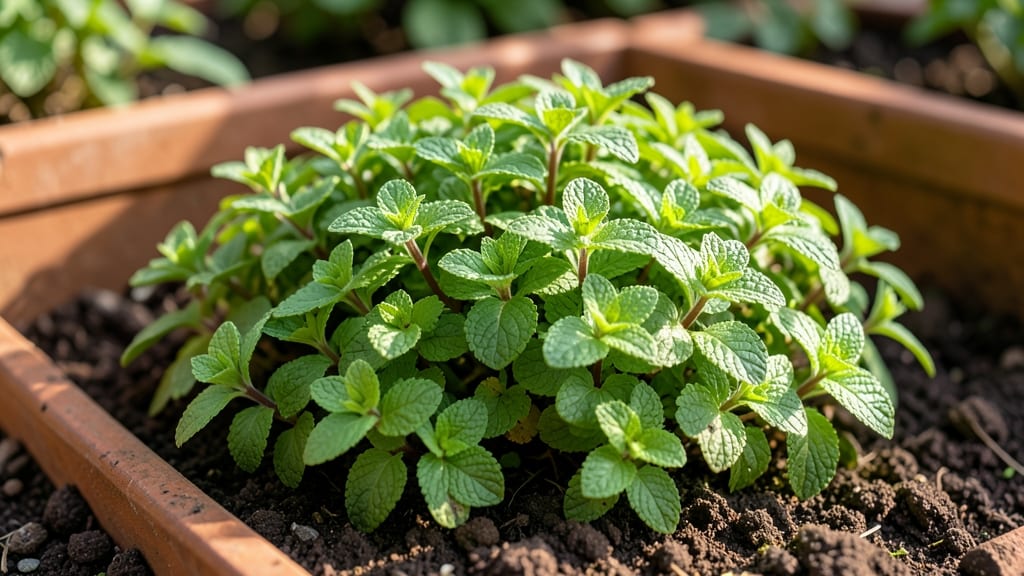
A corsican mint lawn that thrives in shade and needs less water than grass?
This fragrant ground cover turns that dream into reality with its soft, velvety texture and intoxicating aroma. 🌿 I’ve replaced my struggling grass patches with this living carpet, and the difference is night and day—no more brown spots or mowing every weekend.
This isn’t just a lawn substitute; it’s a living carpet that stays green even when traditional grass fades. The secret lies in its shallow roots and drought-resistant nature, which means it handles dry spells better than most grasses.
Plus, it’s a magnet for pollinators, turning your yard into a mini ecosystem. By the end of the first growing season, you’ll have a dense, weed-resistant mat that smells like mint when you brush against it. The best part?
It spreads naturally, filling in gaps without needing reseeding—just like nature intended. Perfect for shady spots, slopes, or areas where grass struggles. Here’s how to get started without the guesswork.
📚 In This Guide
- What you need
- Instructions
- Tips and common mistakes
- Wrapping up and next steps
What you need
- ● Corsican mint (Mentha requienii) plants: 12–20 plants per 100 sq. ft. (spaced 6–12 inches apart). Choose healthy, pest-free starts from a nursery.
- ● Well-draining soil: Amend heavy clay with compost (1–2 inches mixed into the top 6 inches of soil) or use a peat-free potting mix for containers.
- ● Mulch: 2–3 inches of shredded bark or pine needles to suppress weeds and retain moisture.
- ● Watering can or hose with a gentle spray nozzle: Corsican mint thrives in consistently moist (not soggy) soil.
- ● Gloves and knee pads: Protect your hands and joints during planting!
- ● Garden trowel or transplanting spade: For digging small, precise holes (4–6 inches deep).
- ● Rake: To level soil and smooth mulch.
- ○ String & stakes (optional): Create a grid for even spacing if planting in rows.
- ● Organic fertilizer (balanced 10-10-10 or compost tea): Apply lightly at planting (follow label instructions).
- ○ Edging tools (optional): Define borders to prevent mint from spreading into flower beds.
- ● Container or raised bed (if not planting in-ground): Use a minimum 12-inch-deep container with drainage holes.
Step-by-Step guide to establishing a Corsican mint lawn
This fragrant, shade-loving ground cover transforms dull spaces into aromatic living carpets.
🌱 Step 1: Prepare the Soil for Planting
Corsican mint thrives in well-draining soil rich in organic matter. Work the top 6 inches of soil, removing any rocks or debris. If your soil is heavy clay, amend it with 2-3 inches of compost or aged manure to improve drainage and fertility. The ideal soil pH for Corsican mint is slightly acidic to neutral, between 6.0 and 7.0. You can test your soil with a pH kit if unsure.
Loosen the soil in your planting area with a garden fork or tiller, breaking up any compacted layers. Corsican mint spreads aggressively, so avoid planting it near delicate perennials or vegetables. If you’re replacing an existing lawn, remove all grass and weeds first—digging them out by hand or using a sod cutter works best. Once the area is clear, rake the soil smooth to create an even surface for planting.
🌿 Step 2: Plant Corsican Mint Cuttings or Transplants
Corsican mint spreads quickly from cuttings, so you can start with just a few healthy stems. Take 4-6 inch cuttings from an established plant, ensuring each has at least two sets of leaves. Remove the lower leaves, leaving only the top pair, and dip the cut end in rooting hormone to encourage faster growth. Plant the cuttings 2-3 inches apart in rows spaced 12 inches apart.
If using nursery-grown transplants, space them 18-24 inches apart to allow for full coverage over time. Press the soil gently around each cutting or transplant to eliminate air pockets, then water deeply to settle the roots. Corsican mint prefers partial to full shade, so choose a location that receives 2-4 hours of morning sun or dappled shade throughout the day. Avoid deep, dense shade—it can slow growth and reduce the plant’s signature fragrance.
💧 Step 3: Maintain Moisture and Encourage Spread
Keep the soil consistently moist but not soggy during the first 4-6 weeks after planting. Water deeply 2-3 times per week, adjusting based on rainfall. Corsican mint’s shallow roots mean it won’t tolerate drought, so monitor the top 1-2 inches of soil—water when it feels dry to the touch. Mulch with 1-2 inches of shredded bark or straw to retain moisture and suppress weeds, but keep the mulch 2 inches away from the plant stems to prevent rot.
Once established, Corsican mint spreads rapidly through underground runners, filling in gaps naturally. To encourage a dense, uniform lawn, avoid mowing until the plants are at least 3-4 inches tall. Instead, let the mint grow freely for the first season. If you notice bare spots after a year, simply tuck in additional cuttings or transplants to fill them in. The plant’s resilience makes it low-maintenance once it’s fully established.
✂️ Step 4: Prune and Control Growth Seasonally
Light pruning keeps your Corsican mint lawn lush and fragrant. Trim back any leggy or overgrown stems in early spring to encourage bushier growth. Use sharp shears to cut stems back to 2-3 inches above the ground, which also stimulates new growth. Avoid heavy pruning in late summer or fall, as the plant needs time to harden off before winter. Corsican mint is evergreen in mild climates but may turn brown in cold snaps—simply trim back the dead growth in early spring once new shoots appear.
If Corsican mint starts to spread beyond your desired area, contain it by installing a 6-inch deep underground barrier, like plastic edging or landscape fabric, buried vertically around the perimeter. This prevents the runners from invading other garden beds. In containers, simply trim the roots back during repotting to control size. The plant’s natural fragrance deters pests, so you won’t need chemical treatments—just regular pruning and watering keep it thriving.
☀️ Step 5: Harvest and Enjoy the Aromatic Benefits
Corsican mint’s signature lemony-scented leaves can be harvested year-round for culinary or aromatic uses. Snip stems just above a set of leaves to encourage bushier growth. For a continuous harvest, trim back one-third of the plant in early summer and again in early fall. The leaves release their fragrance when crushed, making them perfect for potpourri, sachets, or even as a natural insect repellent. Toss a handful into the laundry for a fresh, citrusy scent.
To propagate more plants, take cuttings from healthy stems in spring or early summer. Dip the cuttings in rooting hormone and plant them in moist soil or water. Once rooted, transplant them to fill in thin spots or share with fellow gardeners. Corsican mint’s hardiness and low maintenance make it a standout choice for shade gardens—just give it space to spread, and it’ll reward you with a fragrant, living carpet that’s both beautiful and functional.
Tips & tricks for perfect Corsican mint lawn
Here's what I've learned from years of growing this fragrant ground cover—simple tricks that'll make all the difference in your garden.
Soil Prep Secret: Before amending your soil with the 2-3 inches of compost mentioned in Step 1, I like to do a quick "float test" on my soil. Fill a jar with water, add a handful of soil, and shake it. If the soil settles quickly with a lot of sediment at the bottom, you've got heavy clay that definitely needs that compost. For sandy soil, you can reduce the compost to 1-2 inches—it drains so well that too much organic matter can actually cause drainage issues. The goal is that perfect balance of moisture retention and aeration.
Cutting Technique: When taking those 4-6 inch cuttings in Step 2, look for stems that are about pencil-thick and have vibrant green leaves. I always cut just below a leaf node where the stem meets the leaf—this is where new roots will form most easily. Another pro move? Use a sterilized knife or pruners to make clean cuts, and immediately dip the cuttings in water to prevent air bubbles from forming at the cut end before you apply the rooting hormone. This small step dramatically improves rooting success.
Watering Wisdom: During those critical first 4-6 weeks after planting, I've found that watering in the morning gives the plant's shallow roots the best chance to absorb moisture before the heat of the day. A good rule of thumb is to water until you see moisture coming out of the drainage holes if you're in containers, or until the top 1-2 inches of soil feels damp to the touch. Overwatering is just as bad as underwatering—this plant wants to be consistently moist, not soggy.
Pruning Payoff: That 2-3 inches above the ground pruning height in Step 4 might seem arbitrary, but it's actually perfect for encouraging bushier growth. When you cut back to this height, you're removing the older growth while leaving plenty of new growth potential. I also recommend using clean, sharp shears—dull blades can crush stems and create entry points for diseases. And here's a bonus: save those pruned stems! They make excellent cuttings for propagating new plants.
Pro Tips for Corsican Mint Lawn
- Here's what I've learned from years of growing this fragrant ground cover—simple tricks that'll make all the differen...
- Soil Prep Secret: Before amending your soil with the 2-3 inches of compost mentioned in Step 1, I like to do a quick ...
- Cutting Technique: When taking those 4-6 inch cuttings in Step 2, look for stems that are about pencil-thick and have...
Frequently asked questions
Got questions about creating a fragrant Corsican mint lawn? You’re not alone!
Here are answers to the most common questions to help you grow a lush, low-maintenance ground cover that smells amazing and thrives in shade.
Is Corsican mint really low-maintenance?
Unlike traditional lawns, Corsican mint spreads quickly but stays dense with minimal mowing. It thrives in partial to full shade, resists pests, and recovers fast from foot traffic. Just trim back overgrowth once or twice a year to keep it tidy. Pro tip: It’s drought-tolerant once established, so watering becomes a breeze!
When is the best time to plant Corsican mint?
Spring or early fall are ideal for planting. In cooler climates, aim for after the last frost (around late April–May in most regions), while warmer zones can plant in September–October to avoid summer heat stress. Young plants need consistent moisture, so mulch lightly to retain soil dampness.
Can I mix Corsican mint with other ground covers?
Yes, but with caution! Corsican mint spreads aggressively and can outcompete slower growers like Ajuga or Sweet Woodruff. Plant it in contained borders (e.g., edging a garden bed) or pair it with deep-rooted perennials (like hostas) to balance its vigor. Avoid mixing with delicate plants—it’s best as a standalone lawn!
Will deer or pests bother my Corsican mint lawn?
Great news: Corsican mint is deer-resistant and rarely troubled by pests like slugs or aphids. Its strong minty scent deters most critters! However, rabbits might nibble young shoots—protect seedlings with a light row cover until established. Once mature, it’s practically pest-proof.
How do I stop Corsican mint from spreading too much?
Containment is key! Plant in bare-root divisions with a plastic or metal edging (6–12 inches deep) to block rhizomes. For existing patches, dig out runners in early spring or use a sharp spade to sever underground stems. Pro tip: If it escapes, treat it like a weed—pull or smother with cardboard before replanting!
What’s a good alternative if I want fragrance but less spread?
Try Creeping Thyme (fragrant, sun-loving) or Lemon Balm (milder spread, loves shade). For a non-invasive option, Sweet Alyssum adds delicate scent and blooms. Corsican mint’s cousin, Pennyroyal, is also fragrant but even more aggressive—choose based on your garden’s needs!
Wrapping up and next steps
Transforming your shade-loving garden into a fragrant Corsican mint lawn is easier—and more rewarding—than you think! 🌿 With its lush, low-maintenance growth and delightful aroma, this ground cover not only thrives in low-light areas but also adds a touch of Mediterranean charm to your outdoor space.
Whether you're a seasoned gardener or just starting out, this vibrant option is a game-changer for creating a sensory-rich landscape.
Ready to take the next step? Start small—plant a patch in a shaded corner or along a pathway—and watch your garden flourish with easy care and stunning results. Grab your gloves, gather your supplies, and let your Corsican mint lawn become the star of your outdoor sanctuary! 🌱