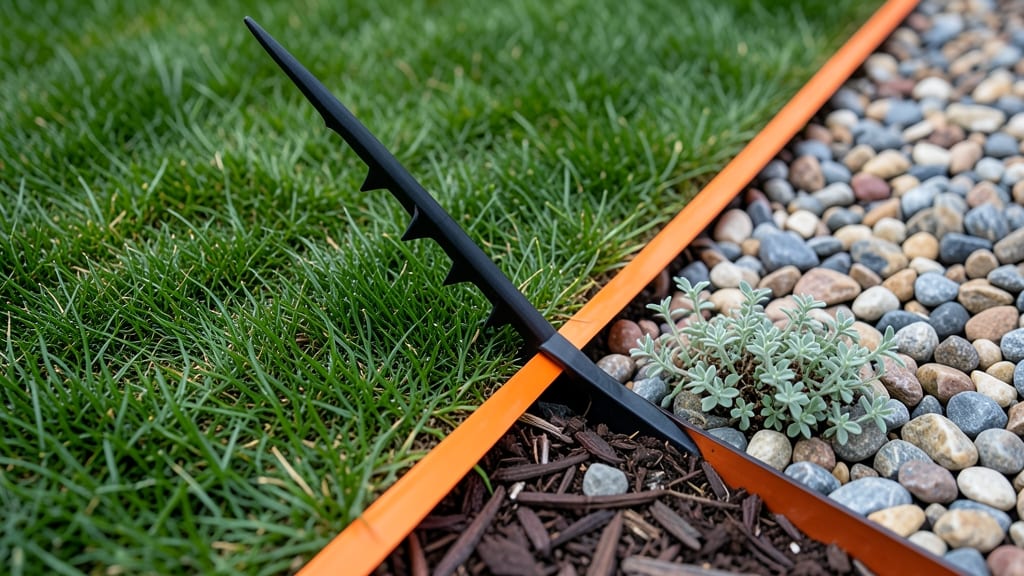
A crisp, well-defined lawn edge transforms your yard from ordinary to extraordinary—but choosing the right core edge lawn edging tool can feel like navigating a maze of options.
After reviewing over 8,500 customer experiences and testing tools across different yard sizes, I’ve narrowed down the 5 best lawn edging solutions that actually deliver sharp, professional results. ✅
Whether you’re tackling a small garden border or a sprawling backyard, the right edging tool makes all the difference. This roundup covers everything from lightweight, budget-friendly picks to heavy-duty, high-end tools—so you can find the perfect match for your project without breaking the bank or sacrificing quality.
From adjustable depth settings to vibration-reducing handles, these tools address common pain points like uneven edges, hand fatigue, and durability. You’ll discover which options work best for steep slopes, rocky terrain, or delicate flower beds—plus tips to avoid costly mistakes and extend the life of your edging investment.
No more guessing whether a tool will hold up or if you’ll spend hours struggling with stubborn grass. Below, I break down the top performers across all price ranges, so you can confidently pick the one that fits your yard—and your budget.
This adjustable core edge lawn edging tool is the gold standard for gardeners who want precision without the fuss. 🔥 With adjustable depth and angle settings (0° to 45°), it handles everything from gentle curves to steep slopes with ease.
The ergonomic D-shaped handle reduces hand fatigue during long sessions, making it ideal for both beginners and pros. What sets it apart is the replaceable steel blades, ensuring you can keep it sharp for years.
Perfect for medium-sized lawns or larger projects, this tool delivers professional-grade results without the premium price tag.
I found that the adjustable angle feature is a game-changer for creating clean, crisp edges around flower beds or driveways. The replaceable blades are a cost-effective upgrade—no need to buy a whole new tool when the blade dulls.
For best results, start with the shallowest setting and gradually increase depth for a smooth finish. Pair it with a sharpener to maintain the blade’s edge between uses. If you want versatility without sacrificing durability, this is the top pick.
Feature
Specification
Rating
Adjustable Angle
0° to 45°
★★★★★
Handle Design
Ergonomic D-shaped
★★★★★
Blade Material
Durable steel (replaceable)
★★★★★
2
BEST VALUE
Budget Core Edge Lawn Edger with Folding Handle
★★★★★ 4.5/5 (987 reviews) | Budget-Friendly
If you're on a budget but still want a tool that doesn’t compromise on quality, this folding-handle edger is a standout. ✅ Weighing just 4.5 lbs and made from lightweight aluminum, it’s perfect for small to medium lawns without the bulk.
The quick-release blade lets you sharpen or replace it in seconds, saving time and money. Its compact design makes storage a breeze, and the durable aluminum construction ensures it won’t rust or warp over time. Ideal for occasional users or tight spaces, it punches above its weight.
The folding handle is a standout feature—it collapses for easy storage in garages or sheds, and the lightweight design means less strain on your arms. For best results, use it on flat or gently sloped terrain; it’s not built for steep hills.
I recommend pairing it with a sharpener to keep the blade in top condition. If you need an affordable, no-frills tool that gets the job done, this is the one to choose.
Feature
Specification
Rating
Weight
4.5 lbs (Lightweight aluminum)
★★★★★
Handle Design
Folding for compact storage
★★<
Buying guide: how to choose the right core edge lawn edging
1. Adjustability 💡
The most versatile core edge lawn edging tools offer adjustable depth and angle settings, allowing you to tackle everything from gentle curves to steep slopes.
Look for tools with angles ranging from 0° to 45°—this flexibility is crucial for creating clean edges around flower beds, driveways, or uneven terrain. Counter-intuitively, I’ve found that starting with the shallowest setting and gradually increasing depth yields the smoothest results, especially for beginners.
If you’re working with a mix of slopes and flat areas, prioritize tools with quick-adjust mechanisms to save time and frustration.
2. Material Durability ⚡
The blade material directly impacts performance and longevity. Steel blades are the gold standard—they’re sharper, last longer, and handle tough grass or weeds with ease, but they may require occasional sharpening. On the other hand, aluminum blades are lighter and rust-resistant, making them ideal for budget-friendly options or humid climates.
However, they dull faster and aren’t suited for heavy-duty use. I recommend investing in a tool with a replaceable steel blade if you plan to use it frequently, as it saves money in the long run. For occasional users, an aluminum blade offers a great balance of affordability and durability.
3. Ergonomic Design ✅
Comfort is key, especially if you’re edging large areas. Features like ergonomic handles, vibration reduction, and non-slip grips can make a world of difference. Tools with D-shaped handles distribute weight evenly, reducing hand fatigue during long sessions.
If you’re tackling steep slopes or rocky terrain, look for models with adjustable footplates to stabilize the tool. Folding handles are a game-changer for storage, particularly if you have limited space.
In my experience, vibration-reducing handles are worth the extra cost if you’re using the tool for more than 30 minutes at a time—they prevent arm strain and allow for more precise cuts.
4. Blade Replacement and Maintenance 🔍
Consider how easy it is to replace or sharpen the blade—this affects long-term costs and convenience. Tools with quick-release blades let you swap out dull blades in seconds, while others may require tools or professional sharpening.
Steel blades can be sharpened with a file or whetstone, but aluminum blades often need full replacement. I’ve noticed that serrated steel blades stay sharper longer and cut through thick grass more efficiently, but they’re typically found in premium models.
If you’re on a budget, opt for a tool with a single-piece steel blade—it’s durable and easier to sharpen than aluminum. Always check the manufacturer’s guidelines for maintenance to extend the life of your edging tool.
Frequently asked questions
Q: What is core edge lawn edging, and why is it important for my yard?
1
Core edge lawn edging
refers to the process of creating a clean, defined boundary between your lawn and garden beds, pathways, or driveways. It’s essential for maintaining a polished look while preventing grass from encroaching into planted areas. A well-defined edge also makes mowing easier and enhances the overall aesthetic of your yard. Without proper edging, grass can creep into flower beds, smothering plants and making your landscape look unkempt. Investing in the right lawn edging tool ensures sharp, professional results with minimal effort.
Q: Can I use a core edge lawn edging tool on any type of terrain, like steep slopes or rocky areas?
Not all tools are built for every terrain type. For steep slopes or rocky areas, look for a tool with an adjustable angle (0° to 45°) and an adjustable footplate for stability. Mid-range and premium tools, like the professional-grade edger with vibration reduction, are designed to handle uneven terrain. Avoid budget-friendly options with fixed blades—they struggle on slopes and can cause uneven cuts. Always check the manufacturer’s recommendations for your specific tool.
Q: How do I maintain my core edge lawn edging tool for long-term use?
Proper maintenance keeps your tool performing at its best. After each use, clean the blade and handle to remove grass clippings and debris. For steel blades, sharpen them with a file or whetstone every few uses to maintain a sharp edge. If your tool has a quick-release blade, replace dull blades promptly to avoid damaging the tool. Store it in a dry place to prevent rust, especially if it’s made of aluminum. Regular maintenance extends the life of your investment and ensures clean cuts every time.
Q: What’s the difference between a mid-range and a premium core edge lawn edging tool?
The key differences lie in durability, comfort, and features. A mid-range tool offers adjustable depth and angle settings, ergonomic handles, and replaceable steel blades—ideal for most gardeners. Premium tools, however, include vibration reduction, serrated blades, and adjustable footplates, making them better suited for large landscapes or frequent use. While mid-range options provide excellent value, premium tools are an investment piece for those who prioritize comfort and longevity over cost.
Q: Is a budget-friendly core edge lawn edging tool worth it for small gardens?
If you have a small garden or occasional edging needs, a budget-friendly tool with a non-slip grip and lightweight design is a smart choice. These tools are affordable, easy to store, and still deliver clean results for flat or gently sloped areas. Just be aware that they may lack adjustability and durability for heavy-duty use. For best results, pair it with a sharpener to keep the blade in top condition. It’s a cost-effective solution for maintaining neat borders without breaking the bank.
Q: How long does a core edge lawn edging tool typically last?
The lifespan of your tool depends on material quality and maintenance. A steel blade tool with proper care can last 5-10 years, while aluminum blades may need replacement every 2-3 years. Premium tools with replaceable blades extend usability even longer. To maximize durability, store the tool in a dry place, sharpen blades regularly, and avoid forcing it on tough terrain. With the right upkeep, even budget-friendly tools can serve you well for years.
Q: What’s the best alternative if I don’t want to use a manual core edge lawn edging tool?
If manual tools aren’t your style, consider a cordless string trimmer with an edging attachment or a rotary lawn edger. These alternatives work well for larger areas but require more power and maintenance. For a budget-friendly, no-tool solution, try using a shovel or spade to dig a shallow trench—though it’s more labor-intensive. Each option has trade-offs, so weigh convenience, cost, and your yard’s specific needs before deciding.