
Lawn
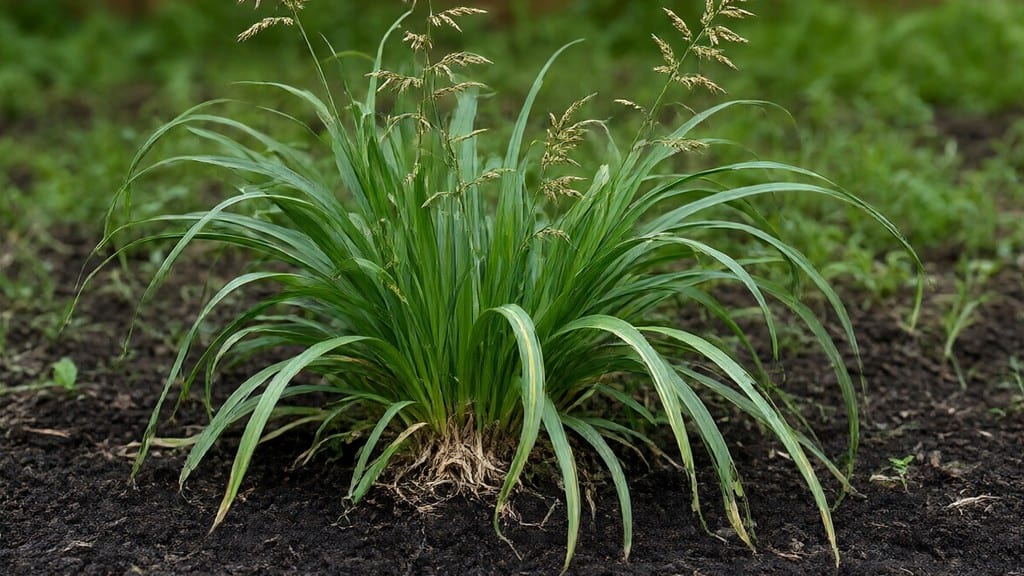
Dealing with common couch grass 🌱 that keeps spreading like a stubborn lawn invader? This relentless weed doesn’t just look unsightly—it chokes out grass and flowers if you let it take over.
I’ve spent years battling it in my own yard, and the key isn’t just pulling what you see—it’s stopping the hidden roots that regrow faster than you can mow. The good news? With the right techniques, you can break its cycle for good.
Whether you prefer chemical solutions, manual digging, or natural smothering, each method has its strengths—and its pitfalls. I’ll walk you through what works best in spring (the ideal time to strike), how to spot those sneaky rhizomes, and the long-term habits that keep it from creeping back.
By the end, you’ll have a clear plan to reclaim your lawn without giving up hope—or your weekends to endless weeding.
How to identify and understand common couch grass before removal
If you’ve ever pulled what you thought was a weed—only to see it sprout back within weeks—you’ve likely battled common couch grass (Elymus repens). This persistent perennial spreads aggressively through underground rhizomes, making it one of the toughest lawn invaders.
Before reaching for tools, understanding its growth habits and distinct features is key to effective removal.
Couch grass thrives in compacted or disturbed soil, often popping up after construction, landscaping, or heavy foot traffic. Its ability to regenerate from tiny root fragments means even a 1-inch rhizome left behind can sprout into a new plant.
Recognizing it early saves time and frustration—let’s break down what sets it apart from other weeds.
Here’s how to spot common couch grass in your yard or garden, along with its seasonal behavior and why it’s so hard to eradicate:
| Characteristic | Details |
|---|---|
| Plant Type | Perennial rhizomatous grass |
| Leaf Shape | Long, flat blades (3-12 inches), pale green to blue-green |
| Root System | Aggressive rhizomes spread 3-6 feet underground |
| Growth Habit | Forms dense patches in lawns, gardens, or cracks |
| Flowering Time | Late spring to summer, produces feathery seed heads |
| Seasonal Behavior | Dormant in winter, regrows from roots in spring |
| Soil Preference | Tolerates poor, compacted, or moist soil |
| Key Difference | Unlike dandelions or clover, it has no taproot—only rhizomes |
One of the first clues is its leaf texture. Couch grass has smooth, rolled edges and a slightly waxy appearance, unlike the rougher leaves of quackgrass or bromus.
Its rhizomes are another dead giveaway—these horizontal, white-to-tan roots can stretch up to 6 feet in ideal conditions, connecting multiple plants into a single network.
In spring, couch grass shoots emerge as bright green rosettes, often appearing before your lawn grass. By summer, it develops seed heads that resemble oat-like plumes, though these are less common in established patches.
The real challenge? Even if you mow it down, the rhizomes remain dormant until conditions improve.
Many gardeners confuse couch grass with creeping bentgrass or wheatgrass, but the key difference lies in its invasiveness. While bentgrass is a desirable turfgrass, couch grass chokes out other plants by stealing nutrients and water.
Its rapid spread can turn a small patch into a lawn-dominating problem within a season.
If you’re dealing with a shady or moist area, couch grass may look like moss at first glance—but dig deeper. Moss has no roots; couch grass will have white rhizomes creeping through the soil.
This distinction is critical because moss requires different treatment (like improving drainage) than couch grass.
Another red flag is uneven lawn growth. Couch grass forms thicker, spongy patches that feel softer underfoot than the rest of your turf. These patches often pull away easily when tugged, revealing the telltale rhizome network beneath.
Ignoring these signs allows the weed to expand unchecked, making removal exponentially harder.
Understanding its seasonal cycle is your best defense. Couch grass is most active in spring and fall, when temperatures are mild and moisture is abundant. During drought, it may go dormant, but its rhizomes stay alive—ready to regrow as soon as conditions improve.
This resilience is why single treatments rarely work; you’ll need a multi-step approach to break its life cycle.
Before grabbing a weed killer or shovel, take a moment to examine the soil and surrounding plants. Couch grass often indicates compacted or nutrient-poor soil, which is why it thrives in lawns with thin grass or gardens with poor drainage.
Addressing these underlying issues will make your removal efforts far more effective in the long run.
Now that you’ve identified the enemy, the next step is targeted removal. But be warned: cutting it at the base won’t stop it. The rhizomes must be fully excavated to prevent regrowth.
Stay tuned for my next section on the most effective removal methods, including manual, chemical, and organic strategies tailored to your yard’s needs.
🌱
Step-by-step couch grass removal methods: chemical vs. manual vs. natural
Common couch grass (Elymus repens) spreads aggressively through underground rhizomes, making removal a persistent challenge. The good news? Targeting the roots with the right method can eliminate it for good.
Whether you prefer chemical herbicides, hands-on digging, or organic solutions, each approach has unique advantages—and drawbacks. Let’s break down the most effective strategies for your lawn or garden.
Timing matters most when tackling couch grass. The best window is late spring or early summer when the plant is actively growing and storing energy in its rhizomes.
This makes them more vulnerable to removal methods. Avoid attempting removal during drought or winter, as the plant goes dormant and becomes harder to eradicate.
🚨 PROS-CONS BOX: Common Couch Grass Removal Methods 🚨
Chemical Removal (Glyphosate)
Pros:
- Kills rhizomes and roots in one application
- Fastest method for large infestations
- Effective on established growth
Cons:
- Requires protective gear (gloves, mask)
- May harm nearby plants if misapplied
- Not organic; chemical residue concerns
Manual Digging
Pros:
- Zero chemicals used
- Allows for full rhizome removal
- Works well for small patches
Cons:
- Time-consuming for large areas
- Requires repeat sessions (regrowth likely)
- Risk of missing rhizome fragments
Natural/Smothering
Pros:
- Chemical-free approach
- Prevents seed germination
- Improves soil health over time
Cons:
- Slow process (weeks to months)
- Requires consistent coverage
- Less effective on deep rhizomes
For chemical removal, glyphosate-based herbicides are the gold standard. Apply directly to the foliage on a dry, wind-free day, ensuring the entire plant—including stems—is coated. Reapply if regrowth appears, as couch grass is resilient. Always follow label instructions to avoid damaging desirable plants or harming local ecosystems.
If you’re committed to manual removal, invest in a weeding knife or dandelion digger to access deep rhizomes. Work in small sections, pulling upward to expose the entire root system.
Dispose of clippings immediately in sealed bags—never compost them, as even tiny fragments can regrow. For best results, repeat the process every 2-3 weeks until no new shoots appear.
Natural methods like smothering with cardboard or thick mulch are ideal for organic gardeners. Lay down 3-4 layers of wet cardboard over the infested area, then top with 6+ inches of mulch.
This blocks sunlight, starving the rhizomes of energy. It takes 3-6 months to fully suppress couch grass, but it’s a safe, long-term solution that also improves soil fertility.
No matter which method you choose, patience is key. Couch grass can lie dormant for years, so monitor treated areas for at least 12 months to confirm eradication. Combine your chosen technique with preventative measures like dense ground covers or regular lawn maintenance to keep it from returning.