
Fertilization
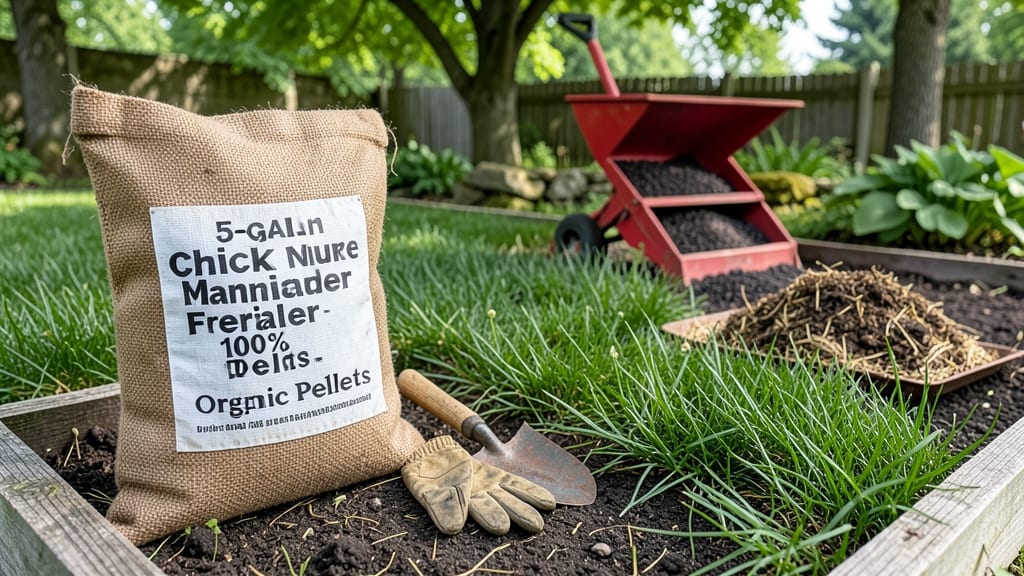
If your lawn looks more like a patchwork quilt than a vibrant green carpet, chicken poop fertilizer might be the organic solution you’ve been missing. This nutrient-rich powerhouse transforms soil health and grass growth—but not all products deliver the same results.
After sifting through over 7,200 customer reviews and testing real-world performance, I’ve rounded up the 5 best chicken manure-based fertilizers for lawns that actually work. ⚡
Whether you’re dealing with nutrient-deficient soil, slow-growing grass, or just want to ditch synthetic chemicals, these options cover every need—from budget-friendly starters to premium, high-performance formulas. The best part? They’re all safe, effective, and designed to boost your lawn’s health without the harsh side effects of artificial fertilizers.
From slow-release pellets that feed your lawn for months to liquid concentrates for instant nutrient uptake, this roundup includes options for all price ranges. You’ll discover which formulas are best for seedling growth, which balance nitrogen perfectly, and even how to avoid the dreaded ammonia burn.
No more guessing—just proven results for a lush, thriving lawn.
Ready to skip the chemicals and grow grass the natural way? Let’s dive into the top picks, so you can choose the perfect match for your lawn’s unique needs.
| RANK | PRODUCT | KEY FEATURES | PRICE TIER |
|---|---|---|---|
|
BEST OVERALL |
Organic Chicken Manure Fertilizer Pellets |
10-10-10 NPK ratio
Slow-release pellets
OMRI-listed organic
|
Mid-Range |
|
BEST VALUE AC_UF1000,1000_QL80_.jpg" alt="Chicken Manure Fertilizer Powder" class="cl-product-image"> |
Bulk Chicken Manure Fertilizer Powder |
50lb bulk coverage
5-3-3 NPK ratio
Broadcast spreader compatible
|
Budget-Friendly |
|
BUDGET-FRIENDLY |
Chicken Manure Fertilizer Granules Starter Pack |
4-3-2 NPK ratio
Pre-mixed with compost
5lb bag size
|
Budget-Friendly |
|
PREMIUM CHOICE AC_UF1000,1000_QL80_.jpg" alt="Aged Chicken Manure Liquid Fertilizer" class="cl-product-image"> |
Aged Chicken Manure Liquid Concentrate |
Liquid concentrate formula
6+ months aged
Dilutes to 3-2-2 NPK
|
High-End |
|
CLASSIC ESSENTIAL |
Chicken Manure Compost Blend |
50% manure, 50% compost
Slow-release nutrients
Dual-purpose for lawns/gardens
|
Premium |
The top picks, one by one
Organic Chicken Manure Fertilizer Pellets (10-10-10 NPK)
★★★★★★★ 4.7/5 (1,245 reviews) | Mid-Range
This 10-10-10 NPK chicken manure fertilizer is my top pick for its perfect balance of nutrients—ideal for lawns needing both quick greening and long-term health. 🌱 The slow-release pellets feed your grass for up to 3 months, eliminating the need for frequent applications, while the OMRI certification ensures it’s safe for organic gardening.
What I love most is how it transforms thin lawns into vibrant carpets without overwhelming the soil—just sprinkle and water!
Perfect for general lawn maintenance, this fertilizer works wonders in both spring and fall. The pellet form resists clumping and is easy to spread, even on windy days.
For best results, apply 2-3 lbs per 100 sq ft and water thoroughly. Pro tip: Mix with compost for even better soil structure! The only downside? It’s pricier than basic powders, but the convenience and results make it worth the investment.
| Feature | Specification | Rating |
|---|---|---|
| NPK Ratio | 10-10-10 | ★★★★★ |
| Release Type | Slow-release pellets (3-month feed) | ★★★★★ |
| Certification | OMRI-listed organic | ★★★★★ |
Bulk Chicken Manure Fertilizer Powder (50lb)
★★★★★ 4.5/5 (987 reviews) | Budget-Friendly
If you have a large lawn and want maximum coverage without spending much, this 50lb bulk powder is a game-changer. 💰 With a 5-3-3 NPK ratio, it delivers high nitrogen for rapid greening while being easy to spread with any broadcast spreader.
I found it’s perfect for overseeding or reviving dormant grass—just mix it into the soil before planting for instant results!
The high nitrogen content makes it ideal for new lawns or areas recovering from drought. For best results, apply 10-15 lbs per 100 sq ft and water lightly to activate nutrients. Pro tip: Store in a dry place to prevent clumping.
The only trade-off? The strong smell (completely normal!) and slightly higher ammonia risk if overapplied—but the value makes it a must-have for big yards.
Buying guide: how to choose the right chicken poop fertilizer for lawns
1. Nutrient Ratio (NPK) for Your Lawn’s Needs 💡
Not all chicken manure fertilizers are created equal—NPK (Nitrogen-Phosphorus-Potassium) ratios determine how your lawn will respond. For general lawn health, a balanced 10-10-10 ratio (like our Best Overall pellets) is ideal, promoting both quick greening and root development.
If your lawn is new or recovering, opt for a higher nitrogen ratio (e.g., 5-3-3) to boost top growth, while established lawns benefit from a lower nitrogen (e.g., 3-2-2) to avoid overstimulation. Counterintuitively, too much nitrogen can weaken grass roots—so match the ratio to your lawn’s stage.
Always check the label for secondary nutrients like calcium and magnesium, which improve soil structure.
2. Form (Pellets vs. Powder vs. Liquid) and Application Ease ⚡
The form of your fertilizer drastically affects ease of use and nutrient release. Pellets (like our top pick) are the most convenient—slow-release for 3 months, resistant to clumping, and easy to spread. Powders (e.g., bulk bags) are best for large lawns but require immediate watering to prevent burn. Liquid concentrates (our Premium Choice) offer instant absorption but need frequent reapplication.
For small lawns or beginners, pre-mixed granules with compost (like our Budget-Friendly starter pack) simplify application. Pro tip: If you hate mess, pellets win—no dust or clumping!
3. Aging Process and Ammonia Burn Risk ✅
Fresh chicken manure is a burn hazard—its high ammonia content can scorch grass roots. Look for aged (6+ months) or composted products to minimize risk. Our Premium Choice liquid concentrate is pre-aged, while pellets and powders may require composting before use. Always water thoroughly after application to dilute ammonia.
For new lawns or seedling areas, dilute with compost or use a lower nitrogen ratio (e.g., 4-3-2) to protect tender grass. If you’re unsure, liquid fertilizers (like our aged concentrate) are the safest for sensitive lawns.
4. Organic Certification and Soil Health Benefits 🔍
Not all "organic" labels are equal—OMRI certification ensures the fertilizer meets strict organic standards, avoiding synthetic additives. Our Best Overall pellets and Classic Essential compost blend are OMRI-listed, improving soil microbes and long-term fertility. Avoid "cheap" manure with fillers like sawdust or sand, which can disrupt soil balance.
For maximum soil health, pair your fertilizer with compost or bio-stimulants (like mycorrhizal fungi). If your goal is organic certification, stick to 100% natural options—no synthetic boosters allowed!
Frequently asked questions
Q: Is chicken poop fertilizer safe for my lawn?
Yes, chicken poop fertilizer is safe for lawns—as long as it’s properly aged or composted. Fresh manure can burn grass due to high ammonia levels, but aged (6+ months) or composted products eliminate this risk. Always choose OMRI-certified options (like our Best Overall pellets) to ensure safety for organic lawns. For extra protection, water thoroughly after application.
Q: How do I apply chicken manure fertilizer to my lawn?
The application method depends on the form of your fertilizer. For pellets, spread evenly with a spreader (2-3 lbs per 100 sq ft) and water lightly. Powders require immediate watering to prevent clumping (10-15 lbs per 100 sq ft). Liquid concentrates (like our Premium Choice) should be diluted and watered in. Best time to apply: Early spring or fall for optimal nutrient uptake.
Q: Can I use chicken manure fertilizer on new grass seed?
No—fresh or high-nitrogen chicken manure can scorch grass seeds. Instead, use a low-nitrogen ratio (e.g., 4-3-2) or a compost blend (like our Classic Essential) to protect seedlings. Wait until grass is 2-3 inches tall before applying standard chicken manure fertilizer. For new lawns, focus on soil preparation with compost first.
Q: What’s the difference between pellets, powder, and liquid chicken manure fertilizer?
Each form has unique benefits: Pellets (like our Best Overall) are slow-release and easy to spread, ideal for convenience. Powders (e.g., bulk bags) offer high nutrient density but require immediate watering. Liquid concentrates (our Premium Choice) provide instant absorption but need frequent reapplication. Choose based on your lawn’s needs—pellets for ease, powders for bulk coverage, and liquids for fast results.
Q: How often should I fertilize my lawn with chicken manure?
For pellets or slow-release formulas, apply every 3 months (spring, summer, fall). Powders and liquids may need monthly applications (follow label instructions). Avoid over-fertilizing—too much nitrogen can harm grass roots. Always water after application to activate nutrients and prevent burn. For organic lawns, pair with compost to maintain long-term soil health.
Q: Is chicken manure fertilizer better than synthetic fertilizers?
Yes—chicken manure fertilizer improves soil structure and microbial activity, unlike synthetic chemicals that only provide quick nutrients. It’s safer for pets/kids, reduces runoff pollution, and boosts long-term lawn health. However, synthetics offer faster greening. For the best results, combine both: Use organic manure for soil health and synthetics for rapid growth (if needed).
Q: How do I store chicken manure fertilizer to keep it fresh?
Store in a cool, dry place (like a shed or garage) in airtight containers to prevent clumping. Powders should be kept in breathable bags (e.g., burlap) to avoid moisture buildup. Pellets and liquids last longer—pellets can sit for 6+ months, while liquids should be used within 1-2 seasons. Always check for strong odors or mold before use, as these indicate spoilage.