
Lawn
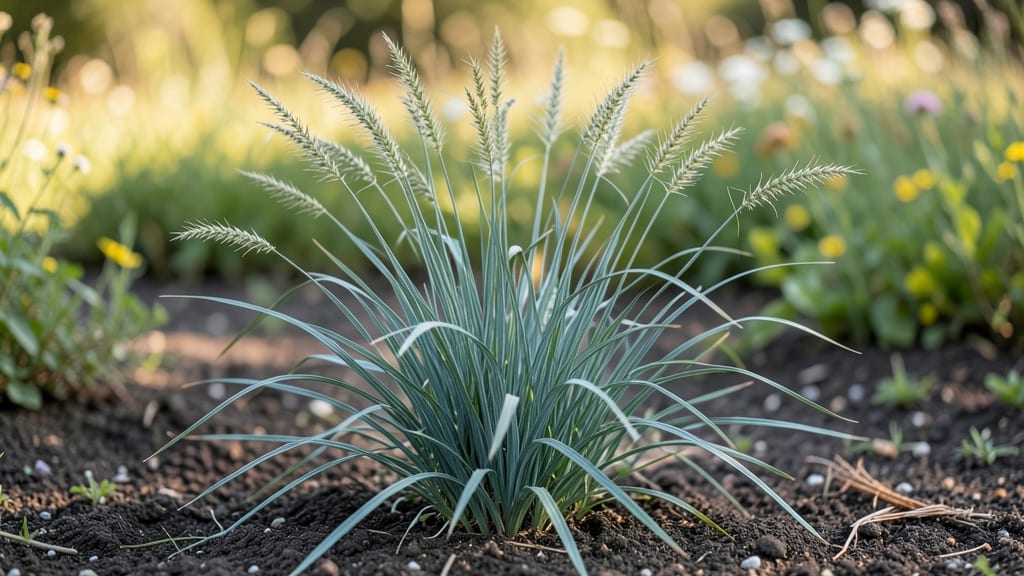
Brome grass in lawns turns your neatly mowed yard into a patchwork of coarse blades and thatch nightmares. 🌱 I’ve spent countless weekends wrestling with this invasive weed, and I’ve learned the precision techniques that finally gave me a smoother, healthier lawn—without tearing up the grass in the process.
The problem isn’t just the unsightly clumps; brome grass crowds out your turf, smothers roots, and creates thatch so thick it chokes water and nutrients. Most homeowners either rip it out too aggressively (damaging good grass) or ignore it (letting it take over). The solution?
A targeted approach that combines hand-pulling, herbicides, and smart cultural practices—without sacrificing your lawn’s health. By the end, you’ll spot brome grass the second it pops up, pull it cleanly, and restore your turf to a dense, even carpet that stays lush all season.
The key is working with the grass, not against it—so your lawn recovers faster and stays resilient. This works for cool-season lawns (like Kentucky bluegrass or fescue) and even warm-season blends. Let’s get that thatch under control for good.
Why Grass Invades Lawns
Brome grass—whether smooth Bromus inermis or ripgut Bromus secalinus—often sneaks into lawns, turning lush turf into a patchwork of unwanted intruders. But why does this happen? The answer lies in a mix of environmental conditions, lawn care oversights, and the grass’s own aggressive survival tactics.
Let’s break down the root causes so you can outsmart this persistent weed.
Healthy lawns resist weeds because thick, dense grass crowds out competitors. But when your soil lacks essential nutrients or proper structure, brome grass seizes the opportunity.
- Compacted Soil: Heavy foot traffic, machinery, or clay-heavy soil compresses the root zone, restricting water and oxygen flow. This weakens desirable grasses like Kentucky bluegrass or fescue, leaving gaps for brome to exploit. Test your soil’s compaction by pressing a screwdriver into the ground—if it won’t go past 2 inches, aeration is needed.
- Low Organic Matter: Soil rich in decomposed plant material (humus) supports microbial activity and nutrient retention. Brome thrives in poor, sandy, or depleted soils where native grasses struggle. Add compost or aged manure to improve fertility and water-holding capacity.
- Imbalanced pH: Brome grass prefers slightly acidic to neutral soil (pH 6.0–7.0), while many lawn grasses (like fescue) thrive at pH 6.0–7.5. If your soil is too acidic (below 6.0), desirable grasses weaken, and brome dominates. A simple soil test reveals the fix—lime raises pH, sulfur lowers it.
Actionable Fix: Core aerate in fall or spring, then top-dress with ¼-inch compost. Pair this with a soil test to address pH and nutrient deficiencies before reseeding.
Watering habits directly influence which plants dominate your lawn. Brome grass is a drought-tolerant opportunist that thrives when turf grasses are stressed.
- Inconsistent Watering: Deep, infrequent watering (1–1.5 inches per week) encourages deep root growth in lawn grasses. But shallow, frequent watering keeps the surface moist, favoring brome’s shallow root system. Check your sprinkler’s output with a rain gauge or tuna can—adjust for even coverage.
- Overwatering: Soggy soil suffocates grass roots and creates ideal conditions for brome seeds to germinate. Signs of overwatering include yellowing grass, fungal diseases (like brown patch), and a spongy feel underfoot.
- Poor Drainage: Low spots or clay soil that pools water create microclimates where brome flourishes. Improve drainage by sloping soil away from foundations or installing French drains in problem areas.
Actionable Fix: Water early in the morning (4–8 AM) to reduce evaporation and fungal risk. Use a soil moisture sensor to avoid overwatering, and fix drainage issues before reseeding.
Skipping key lawn maintenance steps leaves your turf vulnerable to brome grass invasion. Even small oversights can tip the balance in favor of weeds.
- Thin or Patchy Grass: Bare spots from pet urine, foot traffic, or disease create entry points for brome seeds. Test for thin areas by dragging a stiff board over the lawn—if you see soil through the grass, it’s time to repair.
- Incorrect Mowing Height: Cutting grass too short (below 2–3 inches) stresses the plant, reducing its ability to outcompete weeds. Brome grass, however, thrives at shorter heights. Adjust your mower to the recommended height for your grass type (e.g., 3–4 inches for fescue).
- Lack of Overseeding: Cool-season grasses weaken in summer heat or after heavy use. Without overseeding in fall, brome fills the gaps. Choose a pre-emergent herbicide-safe seed mix (like fine fescue or perennial ryegrass) to crowd out weeds.
- Ignoring Thatch Buildup: A thatch layer thicker than ½ inch blocks water and nutrients from reaching roots, weakening turf. Brome grass loves this environment. Dethatch with a rake or vertical mower if the layer exceeds the ideal thickness.
Actionable Fix: Mow high, overseed in early fall, and dethatch if needed. Apply a slow-release nitrogen fertilizer (like 24-0-4) to boost grass density before weeds take hold.
Brome grass doesn’t just appear magically—it hitches a ride into your lawn through human activity and natural dispersion.
- Windborne Seeds: Brome produces thousands of lightweight seeds that travel easily on breezes. If your neighbors have brome, their seeds may land in your yard, especially in open or newly seeded areas.
- Contaminated Soil or Mulch: Topsoil, compost, or mulch from garden centers can harbor brome seeds. Check labels for "weed-free" certifications, or source materials from reputable suppliers.
- Equipment Transfer: Mowers, rakes, and tractors can carry brome seeds from infested areas to clean ones. Clean tools with a stiff brush or bleach solution (1 part bleach to 9 parts water) after use in known brome zones.
- Animal Activity: Birds, rodents, and even pets can disperse seeds through droppings or nesting materials. Remove bird feeders near the lawn or use deer-resistant grasses if wildlife is an issue.
Actionable Fix: Isolate new plantings with a 3-foot buffer of mulch or gravel to block windborne seeds. Quarantine new soil amendments and sanitize tools regularly.
Pro Tip: 🔥 Preventative herbicides like prodiamine or dithiopyr can block brome seeds from germinating in spring. Apply before seeds sprout (typically in early spring) for best results.
How to Fix Unwanted Grass Growth
If brome grass—or any invasive turfgrass—has taken over your lawn, don’t panic. With the right approach, you can reclaim your yard and restore a lush, thatch-free lawn.
Below are targeted solutions for the most common causes of unwanted grass growth, along with practical steps to eliminate it and prevent future invasions.
When your lawn is sparse, brome grass (or other weeds) seizes the opportunity to spread. The fix? Strengthen your grass’s defenses.
#### 🌱 Step 1: Overseed Bare Spots - When: Early fall or spring (ideal germination temps). - How: Choose a high-quality cool-season grass seed (like Kentucky bluegrass or fescue) that matches your climate. - Pro Tip: Use a slit-seeder for deeper seed placement—this ensures better root establishment. 💡 #### 🌡️ Step 2: Adjust Watering for Healthier Grass - Water deeply but infrequently (1–1.5 inches per week) to encourage deep roots. - Avoid overwatering, which weakens grass and invites weeds. - Morning watering (before 10 AM) reduces fungal risks and evaporation. #### 🎯 Step 3: Apply Pre-Emergent Herbicide (Strategically) - Timing: Apply pre-emergent in early spring (before weed seeds germinate). - Product Pick: Look for pendimethalin or prodiamine-based options labeled for lawns. - ⚠️ Warning: Pre-emergents won’t kill existing brome grass—use them only to prevent new growth.Heavy foot traffic, pets, or machinery can compress soil, stifling grass roots and letting brome grass thrive. Aeration is your best friend here.
#### 👨🍳 Step 1: Core Aerate Your Lawn - When: Late summer or early fall (when grass is actively growing). - How: Rent or buy a core aerator (spike aerators don’t work as well). - Frequency: Once a year for heavily used lawns; every 2–3 years for lighter use. #### 🔪 Step 2: Top-Dress with Compost - After aerating, spread a ¼-inch layer of compost over the lawn. - Lightly rake it in to help improve soil structure and fertility. - Bonus: This also feeds beneficial microbes that outcompete weeds. ✨ #### 🌱 Step 3: Choose Drought-Tolerant Grass Varieties - If your soil stays compacted, opt for tall fescue or buffalo grass, which tolerate poorer conditions better than delicate bluegrass.Neglecting mowing, fertilizing, or dethatching lets brome grass dominate. Tighten up your lawn care schedule.
#### ✂️ Step 1: Mow High and Regularly - Set your mower to 3–4 inches—taller grass shades out weeds. - Never remove more than ⅓ of the blade in one mowing to avoid stressing the grass. #### 💪 Step 2: Fertilize Correctly - Test your soil first (pH 6.0–7.0 is ideal for most grasses). - Use a slow-release, nitrogen-rich fertilizer (like 20-5-10) in early spring and fall. - Avoid over-fertilizing, which can burn grass and create weak spots. #### 🔥 Step 3: Dethatch Aggressively - When: Early fall (when grass is recovering from summer stress). - How: Use a dethatching rake or vertical mower to remove thatch buildup (over ½ inch). - Pro Tip: If thatch is thick, rent a power dethatcher for larger lawns. 🔥Brome grass often thrives in shady or high-stress areas. Adjust your strategy based on your yard’s conditions.
#### 🌳 For Shady Lawns: - Switch to shade-tolerant grasses like fine fescue or creeping red fescue. - Thin out tree branches to let more light reach the ground (if possible). - Use a spot treatment of glyphosate (carefully!) on stubborn brome patches before overseeding. #### 🔥 For Sunny, Drought-Prone Areas: - Install irrigation (sprinklers or drip systems) for consistent moisture. - Mulch heavily around trees/shrubs to retain soil moisture. - Consider native grasses like bermudagrass or zoysia, which handle heat and drought better.Once you’ve cleared the invaders, lock them out with these long-term strategies:
- ✅
With persistence, your lawn will crowd out brome grass naturally. The key is consistency—stay on top of maintenance, and your turf will thrive!
Frequently asked questions
How can I tell if the grass in my lawn is actually brome?
Brome grass has distinct features: look for flat, boat-shaped leaves (unlike the V-shaped blades of Kentucky bluegrass) and seed heads that form dense clusters resembling tiny wheat stalks. Smooth brome has wider leaves, while ripgut brome has narrower, more jagged edges. Run your fingers along the blades—brome feels coarser and more wiry than your established turf.
Will pulling brome grass by hand actually work long-term?
Yes, but it requires consistency and precision. Pull when soil is moist (after rain) to avoid breaking roots, and remove the entire root system to prevent regrowth. For large patches, combine hand-pulling with spot treatments of post-emergent herbicide (like 2,4-D) for stubborn clumps. Re-seed bare spots immediately with dense grass varieties to block new growth.
Can I use vinegar to kill brome grass without harming my lawn?
Vinegar (20-30% acetic acid) can work for spot treatments, but it’s risky for lawns. Undiluted vinegar will kill all vegetation—use a 1:1 vinegar-water mix with a drop of dish soap as a surfactant. Apply only to brome grass on sunny days (it burns faster in heat). For safety, test on a small patch first and avoid treating when grass is stressed or dormant.
How often should I check for new brome grass growth?
Inspect your lawn every 2-3 weeks during growing seasons (spring and fall) when brome is most active. Early detection is key—young sprouts are easier to pull by hand. Mark problem areas with flags or chalk to track progress. After treatment, monitor monthly to catch any missed seeds before they establish.
What’s the best time of year to treat brome grass?
Fall (late August to October) is ideal—cool temperatures and moist soil make grass resilient while herbicides work effectively. For chemical treatments, apply pre-emergent herbicides in early spring (March-April) to block seeds, and post-emergent treatments in late summer (July-August) when brome is actively growing. Avoid treating during drought or extreme heat.