
Lawn
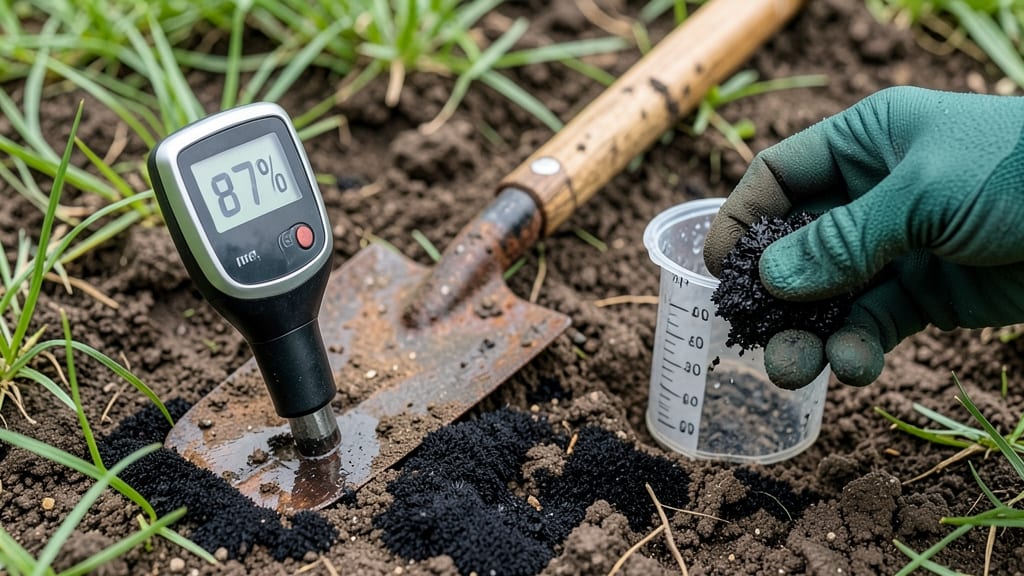
Black mold on lawn soil isn’t just unsightly—it’s a sign your grass is struggling to breathe. 🌱 I’ve seen it smother entire lawns, turning vibrant green into a dull, patchy mess, but the good news is you can fix it without harsh chemicals.
The key starts with understanding what you’re really dealing with: is it mold, fungus, or something else entirely?
Most black mold comes from overwatering, poor drainage, or thick thatch—not fungus like you might think. I’ve learned the hard way that even "just a little extra water" can create the perfect damp, dark environment mold loves.
The telltale difference? Mold stays on the surface, while fungus often appears as fuzzy white or brown patches deeper in the grass.
You’ll tackle it by aerating, dethatching, and adjusting your watering schedule—no fungicides needed unless it’s a severe case. Within a few weeks, you’ll see that vibrant green return as air and water flow freely through the soil again.
The best part? Prevention is simple once you know the warning signs.
This works for any lawn type, whether you’re dealing with a small patch or a whole yard. Let’s get your grass back to healthy—without the guesswork.
Root Causes Behind Soil Mold
Black mold creeping into your lawn soil isn’t just an eyesore—it’s a sign of underlying issues that can weaken grass roots and disrupt soil health. Understanding the why behind its appearance helps you tackle it effectively.
Below, we break down the key factors that create the perfect storm for mold growth in your yard.
Mold thrives in damp environments, and lawn soil is no exception. When water doesn’t drain properly, it pools around grass roots, creating a soggy, oxygen-deprived zone. This stagnant moisture gives mold spores the perfect breeding ground.
- Why it happens:
- Compacted soil (from foot traffic, heavy equipment, or clay-heavy compositions) prevents water from seeping down.
- Flat or sloped yards direct rainwater toward low-lying areas, where it lingers.
- Overwatering—especially in the evening—traps moisture near the soil surface, slowing evaporation.
- Actionable fix: Aerate compacted areas in spring or fall to improve drainage. Test your soil’s composition; amend clay-heavy soil with organic matter (like compost) to enhance porosity. Water deeply but infrequently—early morning is ideal—to allow excess moisture to evaporate.
Leaves, grass clippings, and other plant debris create a thick layer of organic matter called thatch when left unchecked. While a thin layer (under ½ inch) is normal, excessive thatch blocks airflow, traps moisture, and provides a food source for mold.
- Why it happens:
- Frequent mowing without clearing clippings (especially with a mulching mower) adds to thatch buildup.
- Fallen leaves or pine needles smother grass, preventing sunlight and airflow.
- Slow-decomposing materials (like pine straw) contribute to thick thatch layers over time.
- Actionable fix: Dethatch your lawn annually in early spring or fall using a rake or vertical mower. Remove leaf litter promptly, and consider a dethatching blade attachment for your lawnmower. For severe cases, top-dress with compost to break down thatch naturally.
Mold spores lie dormant until conditions become ideal—typically when temperatures hover between 50°F and 85°F and humidity stays consistently high. Sudden shifts (like cool, damp springs or muggy summers) can trigger outbreaks.
- Why it happens:
- Morning dew combined with stagnant air creates a humid microclimate at soil level.
- Shady areas (under trees or structures) stay cooler and damper longer than sunny patches.
- Fungal spores spread via wind or contaminated tools, landing on moist soil and germinating.
- Actionable fix: Improve airflow by trimming overgrown shrubs or trees casting shade. Install a soaker hose for targeted watering in dry spells to avoid sudden humidity spikes. If your lawn stays damp for extended periods, consider resistant grass varieties (like tall fescue or Bermuda grass) for better adaptability.
Mold isn’t just a byproduct of decay—it’s often a sign of imbalanced soil nutrients, particularly excess nitrogen or phosphorus. While these nutrients fuel grass growth, they can also create conditions mold loves.
- Why it happens:
- Over-fertilizing with high-nitrogen lawn foods promotes rapid grass growth but leaves behind residues that mold feeds on.
- Poor soil pH (below 6.0 or above 7.5) disrupts beneficial microbes, allowing mold to dominate.
- Decomposing organic matter (like buried grass clippings) releases nutrients unevenly, creating hotspots for mold.
- Actionable fix: Conduct a soil test (available through local extension offices) to check pH and nutrient levels. Adjust with lime (for acidic soil) or sulfur (for alkaline soil).
Opt for slow-release, balanced fertilizers (like 16-4-8) and apply them in early spring or fall. Avoid fertilizing in wet conditions to prevent runoff and nutrient buildup.
Underground pests like grubs, chinch bugs, or fungus gnats weaken grass roots, making soil more susceptible to mold. Even beneficial microbes can overpopulate if disturbed, creating an imbalance that favors mold growth.
- Why it happens:
- Root damage from pests reduces grass resilience, leaving bare patches where mold takes hold.
- Overuse of fungicides can kill beneficial microbes, disrupting the soil ecosystem.
- Contaminated soil from previous mold outbreaks or composted infected plant material reintroduces spores.
- Actionable fix: Treat pest infestations with natural nematicides (like neem oil) or targeted insecticides early in the season. Avoid chemical fungicides unless necessary—focus on preventive care (like proper mowing and aeration) to maintain a healthy soil microbiome.
If repurposing compost, ensure it’s fully decomposed and pasteurized to kill dormant spores.
Fixing Fungal Foliage Fails
Black mold on your lawn isn’t just an eyesore—it’s a sign your grass is under stress. The good news? With the right approach, you can restore your lawn’s health and keep mold from creeping back.
Below, we’ve mapped out practical fixes based on the most common causes, plus prevention tips to keep your turf thriving.
If your lawn stays soggy for days, excess moisture is the culprit. Black mold thrives in damp, compacted soil, so the first step is to improve drainage.
🍳 Step 1: Test Your Soil’s Drainage
- Dig a small hole (6 inches deep) and fill it with water.
- If the water drains in under 2 hours, drainage is decent.
- If it takes longer than 4 hours, you’ve got poor drainage.
👨🍳 Step 2: Aerate Like a Pro
- Rent a core aerator (or hire a pro) to punch holes in compacted soil.
- Focus on high-traffic areas where water pools.
- Pro Tip: Do this in spring or fall when grass is actively growing. ⏰
🥘 Step 3: Adjust Your Watering Habits
- Water deeply but infrequently—aim for 1–1.5 inches per week (including rain).
- Water in the early morning (before 10 AM) to reduce evaporation and fungal growth.
- Avoid daily light watering, which keeps soil damp and invites mold.
🎯 Prevention Bonus:
- Install a French drain if your yard has low spots where water collects.
- Rake leaves and debris regularly—organic matter traps moisture.
Lawns need sunlight to stay healthy. If your grass is struggling in shady spots, black mold may move in. Here’s how to balance the light and boost growth.
💡 Step 1: Thin Out Overgrown Trees or Shrubs
- Trim branches to let at least 4–6 hours of sunlight reach the lawn daily.
- Avoid heavy pruning in summer heat—do it in late winter or early spring.
🌿 Step 2: Choose the Right Grass Seed
- Shady areas need shade-tolerant grasses like:
- Fine fescue (deep green, drought-resistant)
- Kentucky bluegrass (spreads well in partial shade)
- Skip tall fescue or Bermuda grass—they struggle in low light.
✨ Step 3: Improve Soil Health
- Spread a thin layer of compost (¼ inch) to help grass roots access nutrients.
- Apply a slow-release fertilizer in early fall to encourage root growth.
🔥 Prevention Bonus:
- Mow higher (3–4 inches) in shady areas—taller grass shades out weeds and retains moisture better.
- Consider ground covers (like clover) in deep shade where grass won’t thrive.
Black mold often appears when soil lacks nutrients or is too acidic. A simple soil test and a few tweaks can revive your lawn’s vitality.
📊 Step 1: Test Your Soil’s pH
- Grab a DIY soil test kit (or send a sample to a local extension office).
- Ideal pH for most grasses: 6.0–7.0.
- If it’s below 6.0 (too acidic), apply lime in early fall.
- If it’s above 7.0 (too alkaline), use sulfur or peat moss.
🍎 Step 2: Fertilize Smartly
- Use a balanced fertilizer (like 10-10-10) in spring and fall.
- Avoid high-nitrogen fertilizers in summer—they promote weak, mold-prone growth.
- Pro Tip: Use a slow-release fertilizer to prevent nutrient spikes that stress grass. 🌱
💪 Step 3: Boost Microbial Activity
- Add compost or organic matter to improve soil structure.
- Consider a beneficial fungus treatment (like Trichoderma) to outcompete black mold naturally.
🎯 Prevention Bonus:
- Avoid heavy foot traffic on wet grass—it compacts soil and reduces oxygen.
- Dethatch if your lawn has a thick layer of thatch (>½ inch)—it traps moisture and blocks nutrients.
If black mold has already taken hold, you’ll need to tackle it directly before it spreads.
🔪 Step 1: Remove Affected Areas
- Rake up visible mold patches (wear gloves—it’s unsightly but usually harmless).
- Bag and dispose of debris to prevent reinfection.
🧼 Step 2: Apply a Fungicide
- Use a copper-based fungicide or one containing propiconazole.
- Follow label instructions—typically 1–2 applications, 7–14 days apart.
- Best time to treat: Early morning on a dry, wind-free day.
🌱 Step 3: Overseed Bare Spots
- After treating, sprinkle grass seed over bare or thinning areas.
- Keep the soil moist (not soggy) until new grass sprouts (about 2–3 weeks).
💡 Prevention Bonus:
- Rotate fungicides if you treat often to prevent resistance.
- Avoid synthetic fertilizers in mold-prone areas—they can worsen the problem.
With these fixes, your lawn should bounce back in 4–6 weeks. The key? Stay consistent with watering, mowing, and soil care. Once you’ve kicked black mold to the curb, your grass will be too healthy for it to return.
Frequently asked questions
Is black mold on lawn soil dangerous for my family or pets?
Most black mold found in lawn soil is harmless to humans and pets. While it can look alarming, it’s not the same as toxic black mold (like Stachybotrys) found in homes. However, if your lawn has been treated with fungicides, always keep pets off until the area is dry and safe. For peace of mind, wear gloves when handling moldy soil.
Can I use vinegar to kill black mold in my lawn?
Vinegar (white or apple cider) can help kill surface mold, but it’s not the most effective solution for lawn soil. Mix equal parts vinegar and water, spray on affected areas, and let sit for 30 minutes before rinsing. However, vinegar’s acidity can harm grass over time—use it sparingly on small patches only.
How do I know if my lawn has black mold vs. fungus or algae?
Black mold stays on the soil surface, often appearing as dark, velvety patches. Fungus usually looks fuzzy or powdery (white, brown, or orange), while algae creates slimy, green-black films. Test by gently scraping the soil: mold lifts away easily, while fungus or algae may stick to the surface.
Will aerating my lawn really help with black mold?
Aeration breaks up compacted soil, improving drainage and airflow—two key factors that prevent mold. Rent a core aerator or hire a pro to create holes 2–3 inches deep in spring or fall. Follow up by overseeding and adjusting your watering schedule for best results.
How often should I check my lawn for mold after treatment?
Monitor your lawn weekly for the first month after treatment, then monthly during growing seasons. Look for dark patches, slimy films, or slow grass regrowth—these are early signs mold is returning. Adjust watering, mowing, or soil care as needed to keep your lawn healthy.