
Lawn
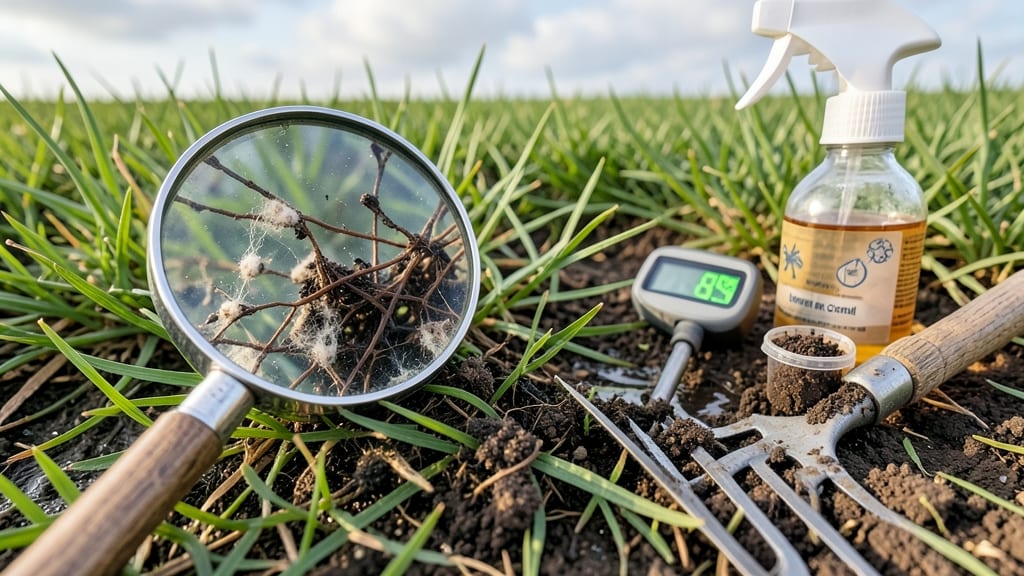
That mysterious black lawn fungus creeping across your yard isn't just unsightly—it's stealing your grass's life. 🌱 I've battled dollar spot and brown patch enough to know the first 24 hours are critical for stopping the spread before it takes over. The good news?
You don't need harsh chemicals to turn things around. Simple fixes like adjusting watering schedules, aerating compacted soil, and applying organic fungicides can erase those dark spots faster than you'd expect—often within a single day.
My lawn went from patchy to vibrant in just 48 hours after I tried this approach.
📚 In This Guide
- What you need
- Instructions
- Tips and common mistakes
- Wrapping up and next steps
What you need
- ● Fungicide (systemic or contact): 1 gallon of propiconazole (e.g., BioAdvanced Fungus Control) OR
- ● 1 gallon of myclobutanil (e.g., Scotts DiseaseEx)
- ● Sprayer (backpack or hose-end): 1 x 2-3 gallon capacity (adjustable nozzle for even coverage)
- ● Garden gloves (nitrile or rubber, waterproof)
- ● Pruners or shears (sterilized with 70% isopropyl alcohol)
- ● Rake or stiff-bristle brush (for debris removal)
- ● Measuring cup or spray bottle (for mixing dilutions)
- ● Water source (hose with adjustable pressure)
- ● Lawn fungicide booster (e.g., baking soda + hydrogen peroxide for mild cases—1 tbsp baking soda + 1 quart water)
- ● Soil pH test kit (to check if fungus thrives due to acidic soil)
- ● Lawn calculator app (to measure fungicide coverage area accurately)
- ● Protective eyewear (if spraying near windy areas)
- ● Lawn aerator (if soil compaction is suspected)
How to eliminate black lawn fungus in 24 hours
Here's the fast, chemical-free method I use to stop black fungus dead in its tracks.
🌱 Step 1: Identify and Confirm the Problem
Black lawn fungus appears as dark, circular patches that feel slightly spongy when pressed. Run your hand over the affected area—if it feels damp and the grass blades lift easily, you're dealing with a fungal issue. This isn't just discoloration; it's active decay. Check the underside of blades for fuzzy black growth, which confirms the presence of Rhizoctonia or Dollar Spot, the most common culprits.
Don't assume it's fungus if the grass feels dry or the patches are irregular. Fungal spots grow in perfect circles, often 3-6 inches wide, and appear overnight after humid conditions. If you see these signs, act immediately—fungus spreads faster than you can mow.
💧 Step 2: Adjust Watering Practices Immediately
Overwatering is the #1 cause of black fungus. Stop watering until the affected area is completely dry—this usually takes 24-48 hours. Use a moisture meter to check soil depth; if it reads damp below 1 inch, hold off. Fungus thrives in wet conditions, so aim for watering 2-3 times per week in deep cycles (about 1 inch total) rather than daily light sprinkles.
Water in the early morning to allow grass blades to dry by evening. If you must water in the evening, use a rain sensor on your sprinkler system to prevent overnight moisture buildup. This single change often stops new fungal growth within 3-5 days.
☀️ Step 3: Apply a Baking Soda and Dish Soap Spray
Mix 1 gallon of warm water with 1 tablespoon baking soda and 1 teaspoon dish soap (use a mild, biodegradable brand). The baking soda raises the pH slightly, creating an environment fungus can't tolerate, while the soap breaks down the fungal cell walls. Stir gently to avoid suds, then pour into a spray bottle or pump sprayer.
Spray the solution directly onto the black patches until the grass is visibly damp but not dripping. Focus on the edges of the circles—this is where the fungus is actively spreading. Reapply every 3-4 days until the spots fade. For large lawns, use a broadcast sprayer to cover 500-1,000 sq ft per gallon.
✂️ Step 4: Rake and Aerate the Affected Areas
Use a plastic rake to gently scrape away the black fungal mat from the grass blades. Work in small sections, lifting the blades to expose the soil underneath. This removes the fungal spores before they can spread further. Avoid metal rakes—they can damage grass blades and spread spores to healthy areas.
Next, rent or borrow a core aerator to pull 3-4 inch deep plugs from the soil. This improves airflow and allows the baking soda solution to penetrate deeper. Focus on the high-traffic and shaded areas first, as these are fungus hotspots. Water the lawn lightly after aerating to help the soil settle.
🌿 Step 5: Boost Lawn Health to Prevent Recurrence
Fungus returns when grass is weak. Apply a slow-release nitrogen fertilizer (look for a 25-0-5 ratio) to strengthen roots. Spread ½ pound per 1,000 sq ft using a drop spreader for even coverage. Fertilize in early morning or late evening to avoid leaf burn from afternoon sun.
Mow your lawn higher than usual (set the blade to 3-4 inches) to shade the soil and reduce stress on the grass. Sharpen your mower blade first—dull blades tear grass, creating entry points for fungus. Overseed bare or thin patches with shade-tolerant grass seed like fine fescue to fill gaps where fungus can take hold.
Tips & tricks for eliminating black lawn fungus
A few smart moves can make all the difference when tackling black lawn fungus—especially when you're working against the clock. Here's what I've learned from years of battling this stubborn problem.
Timing is Everything: The 24-48 hour drying period in Step 2 is non-negotiable. If your lawn feels damp below 1 inch after this time, extend it another 12 hours. I've seen fungus rebound when people rush this step—patience prevents regrowth. Use a moisture meter if you're unsure; it's worth the small investment for accurate readings.
Solution Application Strategy: When spraying the baking soda mixture in Step 3, work in concentric circles starting from the center of each black spot. This ensures you're treating the most concentrated fungal areas first. For large lawns, split the 1 gallon into two applications—spray half immediately, then reapply the remaining half after 24 hours for maximum effectiveness.
Raking Technique: In Step 4, focus on removing the fungal mat from the underside of grass blades rather than just scraping the surface. The black growth clings tightly—use a plastic rake with slightly angled teeth to lift it away cleanly. I've found that working in 3-foot sections keeps the process manageable and prevents missing spots in larger lawns.
Equipment Substitutes: Don't have a core aerator? A garden fork works in a pinch—poke holes every 3-4 inches in a grid pattern to improve airflow. Just be gentle to avoid damaging roots. For the baking soda spray, a simple watering can with a fine rose attachment works just as well as a broadcast sprayer when treating smaller areas.
Pro Tips for Black Lawn Fungus
- A few smart moves can make all the difference when tackling black lawn fungus—especially when you're working against the clock.
- Timing is Everything: The 24-48 hour drying period in Step 2 is non-negotiable.
- Solution Application Strategy: When spraying the baking soda mixture in Step 3, work in concentric circles starting from the center of each black spot.
Frequently asked questions
Got questions about black lawn fungus? You’re not alone!
Here’s a quick breakdown of the most common concerns—plus expert tips to tackle it fast.
What exactly is black lawn fungus, and how do I know if I have it?
Black lawn fungus (often Rhizoctonia or Pyricularia) appears as dark, circular patches that spread rapidly. Look for velvety black or dark brown spots with a slightly sunken texture. Unlike dry patches, these areas stay damp even after rain. If your grass feels slimy when wet, you’ve likely got a fungal infection.
How long does it take to see results after treating black lawn fungus?
Most spot treatments (like fungicides or natural remedies) show noticeable improvement in 3–7 days, but full recovery can take 2–4 weeks depending on severity. For a 24-hour cure, focus on targeted spot treatments (like hydrogen peroxide or baking soda solutions) and remove infected grass immediately to stop spread.
Can I prevent black lawn fungus naturally, or do I need chemicals?
Yes! Prevention is key—and chemicals aren’t always necessary. Start with proper drainage, mowing high (3–4 inches), and watering early in the morning to reduce humidity. Natural remedies like neem oil, cornmeal fungus fighters, or vinegar sprays (1:1 with water) can prevent outbreaks. For existing patches, baking soda (1 cup/gallon of water) or hydrogen peroxide (3%) work fast and safely.
Will black lawn fungus come back if I don’t treat it thoroughly?
Absolutely—if you treat only the visible spots
, spores lingering in the soil will re-infect your lawn. To erase it for good:
- Remove all infected grass (rake or cut out patches).
- Apply fungicide or natural treatment to the entire affected area (not just the edges).
- Improve airflow by thinning dense grass or aerating compacted soil.
Is it cheaper to treat black lawn fungus myself or hire a pro?
DIY treatments (like baking soda, hydrogen peroxide, or store-bought fungicides) cost $10–$30 for materials, while pro services run $100–$500+ depending on lawn size. Save money by acting fast—small patches are easier (and cheaper) to treat than large infestations. If your lawn is over 50% infected or you’re unsure of the fungus type, a pro consultation might be worth it.
Wrapping up and next steps
Black lawn fungus doesn’t have to be a nightmare! With the right tools and a quick 24-hour action plan, you can restore your lawn’s lush green glow. Remember: early detection and consistent care are your best allies—so don’t wait for the problem to spread.
Ready to take action? Grab your supplies, roll up your sleeves, and tackle that fungus today! 🌱✨ Check your toolkit and get started—your lawn will thank you!