
Lawn
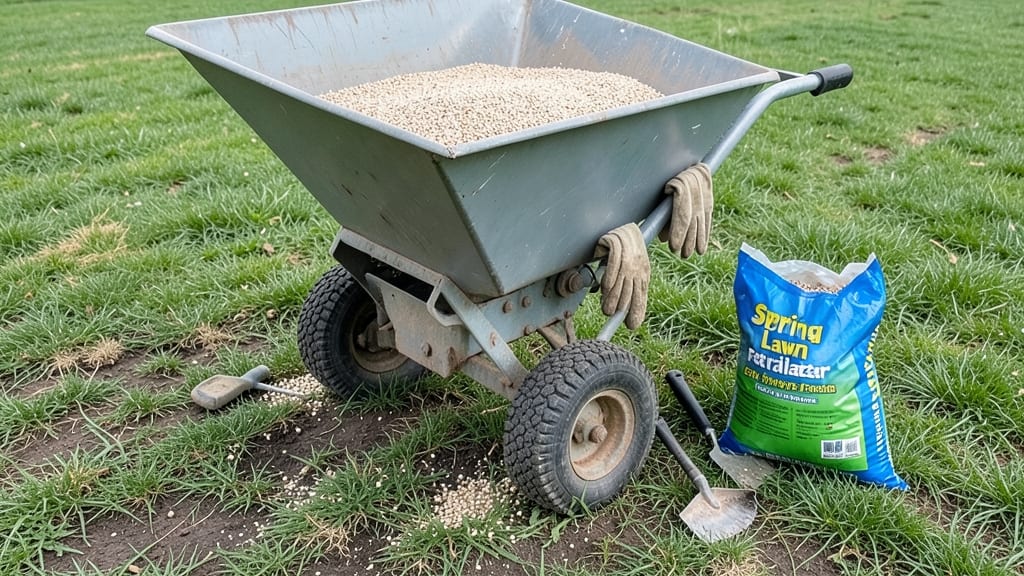
Fertilizing your lawn in spring is the key to a vibrant, healthy 🌱—but timing it wrong can leave you with patchy growth or wasted money.
If you've ever stared at your lawn in early April wondering whether to feed it or wait, you're not alone. The answer depends on your USDA Zone, soil temperature, and even recent weather—because applying too early or too late can backfire.
In Zone 6 (like most of the Midwest and Northeast), the sweet spot is 4-6 weeks after dormancy, usually by mid-April. But in warmer southern zones, you might start as early as late February, while northern areas may need to wait until May.
Below, I’ll break down the exact weeks to fertilize by region, how to read your lawn’s signals, and the 3-step process for perfect application—so you get that lush, green carpet without the guesswork.

Best spring fertilization timeline by US hardiness zones (with exact weeks)
Spring is the prime time to give your lawn the nutrient boost it needs after winter dormancy, but the exact timing depends heavily on your USDA hardiness zone.
In warmer southern zones, grass wakes up earlier and needs fertilization 3-4 weeks after dormancy, while northern zones should wait 4-6 weeks to avoid burning tender new growth. Climate also plays a role—cooler regions benefit from delayed fertilization to sync with soil warming.
Understanding your zone ensures you fertilize when grass roots are actively growing but before summer heat stress sets in. For example, Zone 5 lawns typically get their first feeding in late April to early May, while Zone 9 lawns might start as early as mid-February.
Let’s break down the precise weeks for each zone to maximize your lawn’s green-up potential.
Pro Tip: Always conduct a soil test before fertilizing. This helps you adjust nitrogen levels—too much can burn grass, while too little won’t stimulate growth. Most lawns thrive with a 10-0-10 NPK ratio in spring, but your test may recommend adjustments.
For cool-season grasses (like Kentucky bluegrass or fescue), timing is critical because they grow best in 50-75°F soil. In Zone 6, for example, I always wait until mid-April—just after the last frost—when soil temperatures consistently hit 55°F.
This ensures roots aren’t shocked by cold snaps or fertilizer burn.
Warm-season grasses (such as Bermuda or Zoysia) have different needs. In Zone 8, I fertilize in late February to give them a head start before summer heat. These grasses need warmer soil (65°F+) to activate growth, so rushing fertilization can stress them.
Another key factor is rainfall patterns. If your area experiences heavy spring rains, opt for a slow-release fertilizer to prevent nutrient runoff. In drier zones like Zone 9, watering in fertilizer 24 hours before application helps it penetrate the soil effectively.
Watch for grass color changes after fertilization. A vibrant green within 7-10 days signals success, while yellowing or wilting means you overdid it. Adjust future applications based on these signs—your lawn will thank you with thicker, healthier growth all season.
Remember, spring fertilization isn’t a one-time task. Plan for a second feeding in early summer (6-8 weeks after the first) to sustain growth during peak heat. But for now, focus on nailing that first spring application at the perfect time for your zone.
🌱
Signs your lawn needs fertilizer (and when to skip it)
Spring is the perfect time to assess your lawn's health, but not every patch of grass needs fertilizer. Pale green or yellowing blades are the most obvious signs your lawn is nutrient-deficient.
If your grass looks dull or lacks vibrancy after winter, it's likely craving nitrogen and other essential nutrients to bounce back.
Another key indicator is slow or sparse growth—if your lawn isn't filling in bare spots or growing thicker, fertilization might be necessary. However, don't rush to grab that bag of fertilizer just yet. Recent rain, soil compaction, or even improper mowing can mimic nutrient deficiency symptoms.
When to Fertilize Your Lawn in Spring
- Soil test shows low nutrients
- Grass is pale or thinning
- 4-6 weeks post last frost
- No heavy rain forecasted
- Soil is wet or saturated
- Grass is dormant (early spring)
- Recent fertilization (last 6-8 weeks)
- Weeds are sprouting heavily
Pro Tip: Test soil first—over-fertilizing can burn roots and harm your lawn long-term.
Before applying fertilizer, check for environmental factors that might be holding your lawn back. If your soil is waterlogged or compacted, nutrients won't absorb properly, making fertilization ineffective.
A simple soil test kit (available at garden centers) can reveal pH imbalances or deficiencies—sometimes all your lawn needs is a boost of lime or compost.
Timing is everything in spring. If you fertilize too early, cold soil can slow nutrient uptake, while waiting too long means missing the peak growth window (typically 4-6 weeks after the last frost).
For most regions, late March to early April is ideal, but adjust based on your USDA hardiness zone.
Don't ignore weed pressure either. If weeds like crabgrass or dandelions are taking over, fertilization alone won't solve the problem. In this case, a pre-emergent herbicide combined with a light fertilizer application (low nitrogen) can help restore balance without encouraging weed growth.
Finally, observe your lawn's recovery rate after mowing. If blades stay dull or yellow for more than a week post-mow, your grass is likely nutrient-starved. But if it perks up quickly, hold off on fertilizing—your lawn might just need better watering or a light top dressing of compost.