
Lawn
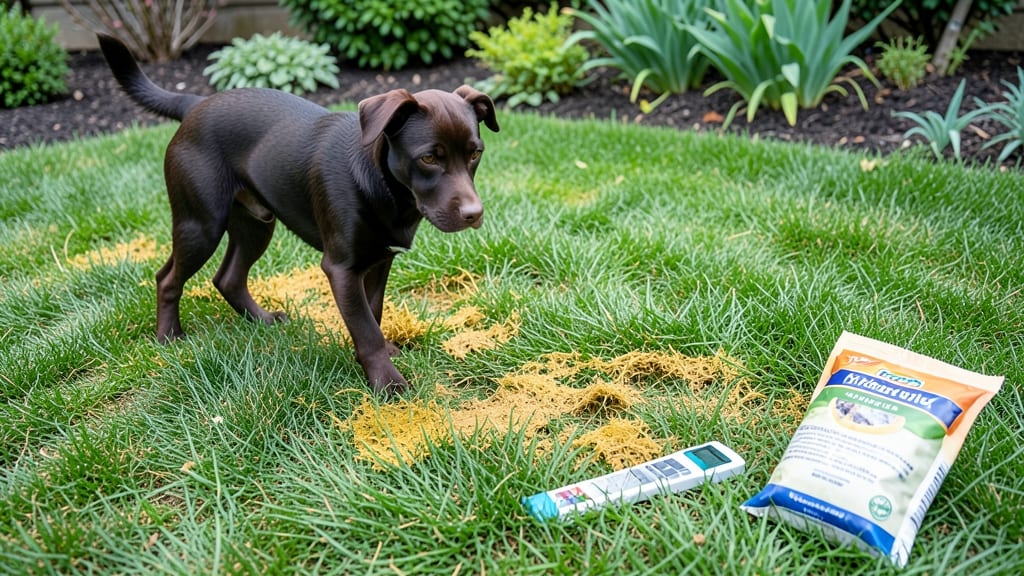
Dog urine can turn your lawns into patchy, yellowed messes if you don’t act fast — but the damage isn’t permanent.
Picture this: you’ve spent hours mowing and fertilizing, only for your lush green grass 🌱 to turn brown in the exact spots where your pup does his business. That’s not just a cosmetic issue—it’s a chemical reaction, and the good news is, you can fix it.
High ammonia levels in dog urine burn grass roots, but with the right techniques—like dilution, soil amendments, and smart watering—you can restore your lawn in days, not months. Below, I’ll walk you through the fastest, science-backed fixes to bring your grass back to life.
From immediate dilution hacks to long-term soil health boosts, you’ll learn how to protect your lawn while keeping your dog happy—no more brown spots or guilty looks when your pup “goes” in the wrong place.
Why dog urine burns grass and how to identify the damage
When your dog does its business on the lawn, you might not think twice—until you notice brown patches appearing where the urine soaked in. The culprit isn’t the urine itself, but the high ammonia content that acts like a chemical burn on grass blades.
This reaction disrupts the grass’s ability to absorb water and nutrients, leading to yellowing and dead spots if left unchecked.
Most lawns suffer from this issue because dog urine is 10 times more concentrated in ammonia than regular urine. When it hits the soil, the ammonia raises the pH level locally, creating an alkaline environment that grass roots struggle to tolerate.
The damage isn’t just cosmetic—it weakens the grass’s root system over time, making it more susceptible to drought and disease.
Not all grass types react the same way. Cool-season grasses like Kentucky bluegrass and fescue are particularly vulnerable because they thrive in slightly acidic soil. Warm-season grasses like Bermuda or Zoysia can handle a bit more alkalinity but still suffer from frequent urination.
Understanding your grass type helps you predict and prevent damage before it starts.
🚨 WARNING: Immediate Action Required 🚨
- Yellow streaks along urine paths (early sign)
- Brown, crispy patches (advanced damage)
- Thin or dead grass in high-traffic urine zones
The first visible sign of dog urine damage is often thin yellow streaks following the path where your dog urinated. These appear within hours and darken to brown if not addressed. Pay close attention to areas where your dog frequently relieves itself—these spots will show the most consistent damage over time. If you notice crispy, brittle grass in these zones, the roots have already been compromised.
Another red flag is uneven growth patterns. Healthy grass grows uniformly, but urine-damaged areas will have thin patches that recover slowly after mowing. This happens because the roots can’t support new growth. If you see these signs, act fast—delaying treatment can lead to permanent bare spots that require reseeding.
Some grass types mask damage better than others. Tall fescue, for example, has deep roots that can recover from occasional urine exposure, while Kentucky bluegrass shows damage almost immediately.
If you’re unsure what type of grass you have, check the leaf tips: bluegrass has boat-shaped tips, while fescue ends in a fine point.
To confirm urine damage, perform a simple test: water the affected area thoroughly and observe. If the grass doesn’t perk up within 24 hours, the roots are likely dead or severely weakened. This test helps distinguish between urine damage and other issues like fungal infections or drought stress.
Preventing future damage starts with training your dog to urinate in designated areas, like a gravel patch or mulch bed. If that’s not an option, diluting the urine immediately with a hose can reduce ammonia concentration by up to 70%.
For high-risk areas, consider overseeding with urine-resistant grass types like buffalo grass or Bermuda.
Remember, the key to saving your lawn lies in early intervention. The sooner you address urine damage, the better your grass’s chances of recovery. With the right approach, you can turn those yellow streaks into lush green in no time. 🌱
5 Fastest science-backed fixes to repair urine-damaged lawns
When your dog's urine leaves behind yellowed patches on your lawn, it's not just unsightly—it's a sign of ammonia burn damaging grass roots. The good news? You can reverse this damage with targeted, science-backed solutions that work quickly.
The key is acting fast and using the right soil amendments and recovery techniques to neutralize the ammonia and encourage new growth.
Don't panic if your lawn looks patchy after a few weeks of dog urine exposure. With the right approach, you can restore your grass to its former lushness in just a few weeks.
The fixes below focus on immediate dilution, soil pH balance, and strengthening grass resilience—all backed by horticultural research.
- Dilute immediately: Rinse urine spots with 10 gallons of water to dilute ammonia within 30 minutes of urination.
- Apply gypsum: Sprinkle 1 lb of gypsum per 100 sqft to neutralize soil pH and reduce burn risk.
- Overseed damaged areas: Use fine fescue seeds (highly resilient) and cover with ¼-inch compost.
- Use organic fertilizer: Apply milorganite (low-nitrogen) to restore nutrients without further stress.
- Adjust watering: Deep water 2x weekly to encourage deep root growth and flush out residual ammonia.
Start with immediate dilution—this is your first line of defense. When your dog urinates, grab a hose and rinse the area with 10 gallons of water within 30 minutes.
This dilutes the concentrated ammonia before it penetrates the soil and burns grass roots. For stubborn patches, repeat this process daily for 3-5 days to ensure full dilution.
Next, focus on soil amendments like gypsum. Gypsum (calcium sulfate) helps neutralize the acidic effects of urine by balancing soil pH. Sprinkle 1 pound of gypsum per 100 square feet over the damaged areas and lightly rake it into the top inch of soil.
This step is especially critical if your lawn has clay-heavy soil, which exacerbates ammonia burn.
To jumpstart recovery, overseed the damaged areas with a resilient grass variety like fine fescue. This grass thrives in shady, high-traffic, or nutrient-poor conditions—perfect for urine-prone spots. After seeding, cover the area with a ¼-inch layer of compost to retain moisture and provide essential nutrients.
Water lightly twice daily until germination occurs (usually within 7-14 days).
Finally, avoid high-nitrogen fertilizers, which can worsen ammonia burn. Instead, opt for orgainc fertilizers like milorganite, which provide balanced nutrition without overwhelming your grass. Apply it according to package instructions, typically in early spring or fall, to support gradual recovery.
Pair this with deep watering—aim for 1-1.5 inches of water per week—to encourage deep root growth and flush out any remaining ammonia.