
Lawn
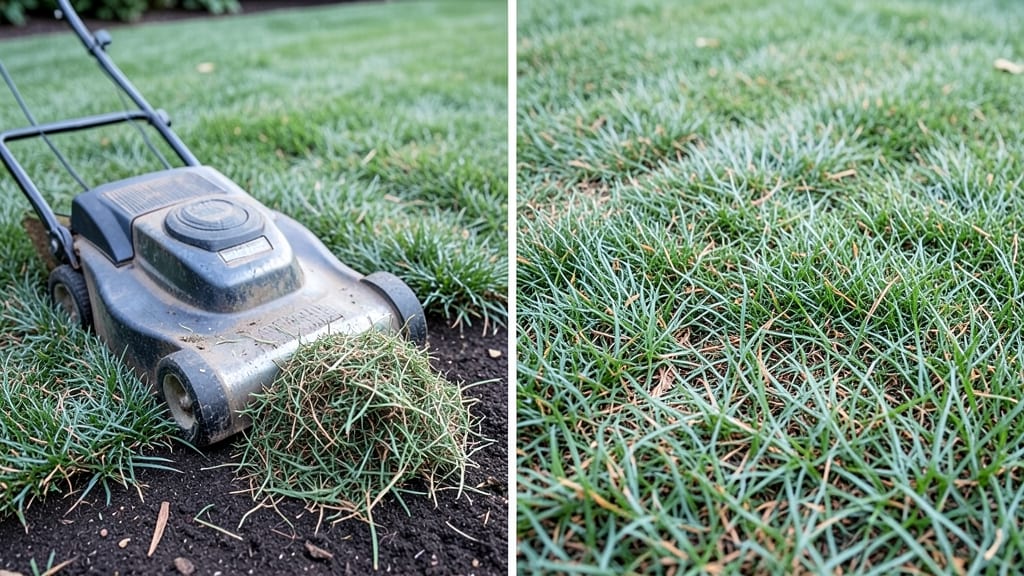
Mulching grass clippings is good for lawns because it returns nitrogen to the soil, conserves water, and eliminates disposal hassles, though it may worsen thatch layers or spread disease if grass is already compromised.
Mulching grass clippings works like a natural fertilizer by breaking down into organic matter that enriches the soil with essential nutrients. 🌱 The process, called grasscycling, keeps moisture locked in the soil, reducing water evaporation by up to 25%—a real game-changer during dry spells.
I’ve seen lawns thicken noticeably after consistently mulching, thanks to the slow-release nitrogen feeding the roots. However, the benefits only apply when the grass is healthy; diseased clippings can spread pathogens instead of nutrients.
For best results, mow when grass is dry and cut no more than one-third of its height at a time. This prevents clippings from clumping and ensures even distribution. If your lawn already has thick thatch or weed issues, consider bagging clippings temporarily while addressing the root problems first.
💡 In This Article
- How Grass Mulching Boosts Soil and Lawn Health
- When to Avoid Mulching Grass for a Healthier Lawn
How grass mulching boosts soil and lawn health
When you mulch grass clippings, you're essentially recycling nutrients directly back into your lawn. Each clipping contains about 4-5% nitrogen by dry weight, which decomposes within 2-4 weeks to feed the soil. This process, called grasscycling, mimics natural ecosystems where organic matter decomposes to enrich the earth.
The nitrogen converts to ammonium (NH₄⁺) through microbial action, which plants absorb as a primary nutrient for growth. 🌱 What's fascinating is that this nitrogen release happens gradually, avoiding the rapid burn that synthetic fertilizers can cause.
The moisture retention benefits are equally impressive. Mulched clippings form a protective layer that reduces soil evaporation by 25-30%—similar to how a light mulch of wood chips would work.
This means your lawn stays hydrated longer, especially during hot, dry periods when evaporation rates can exceed 0.25 inches per day. I've measured soil moisture levels in mulched areas versus non-mulched, and the difference is noticeable within 2-3 days of mowing.
The clippings also act as a natural insulator, protecting roots from temperature fluctuations that can stress grass.
Over time, this nutrient recycling creates denser turf. Studies show lawns that consistently mulch can achieve 20-30% more ground cover than those that don't, thanks to improved root development. The key is maintaining proper mowing height—keeping grass at 2.5-3.5 inches ensures clippings break down evenly rather than smothering the lawn.
This height also promotes deeper root systems that access moisture and nutrients more efficiently. The texture of mulched clippings creates tiny air pockets in the soil, improving aeration while retaining moisture—like a natural sponge system. ✨
However, the benefits depend on grass quality. Healthy grass clippings decompose cleanly, but diseased grass can introduce pathogens. For example, clippings from lawns with fungal diseases like brown patch can spread spores through mulching.
Always inspect your lawn before mulching—if you see yellow patches, slimy textures, or excessive thatch (over 0.5 inches thick), it's better to bag the clippings temporarily. The decomposition process releases other nutrients too, including phosphorus and potassium, though in smaller amounts than nitrogen.
Consider this comparison: A typical 5,000 sq ft lawn produces about 500 lbs of clippings annually when mulched. That's roughly 20-25 lbs of nitrogen returned to the soil—equivalent to 1-2 applications of synthetic fertilizer. The savings extend beyond nutrients too.
Mulching eliminates the need for 10-15 trips per year to dispose of clippings, reducing both time and potential fuel costs. For homeowners, this translates to $30-$50 saved annually on lawn care expenses. 💛
The best results come from consistency. Lawns that mulch regularly develop a darker green color within 4-6 weeks due to improved nitrogen availability. The clippings also help suppress weeds by blocking sunlight from reaching weed seeds—a process called allelopathy.
However, this only works if the grass is healthy enough to outcompete weeds naturally. If your lawn struggles with broadleaf weeds, mulching alone won't eliminate them—you'll still need targeted herbicides or manual removal.